
12 Questions to Ask a Skincare Brand Before Signing a Distribution Deal (2026)
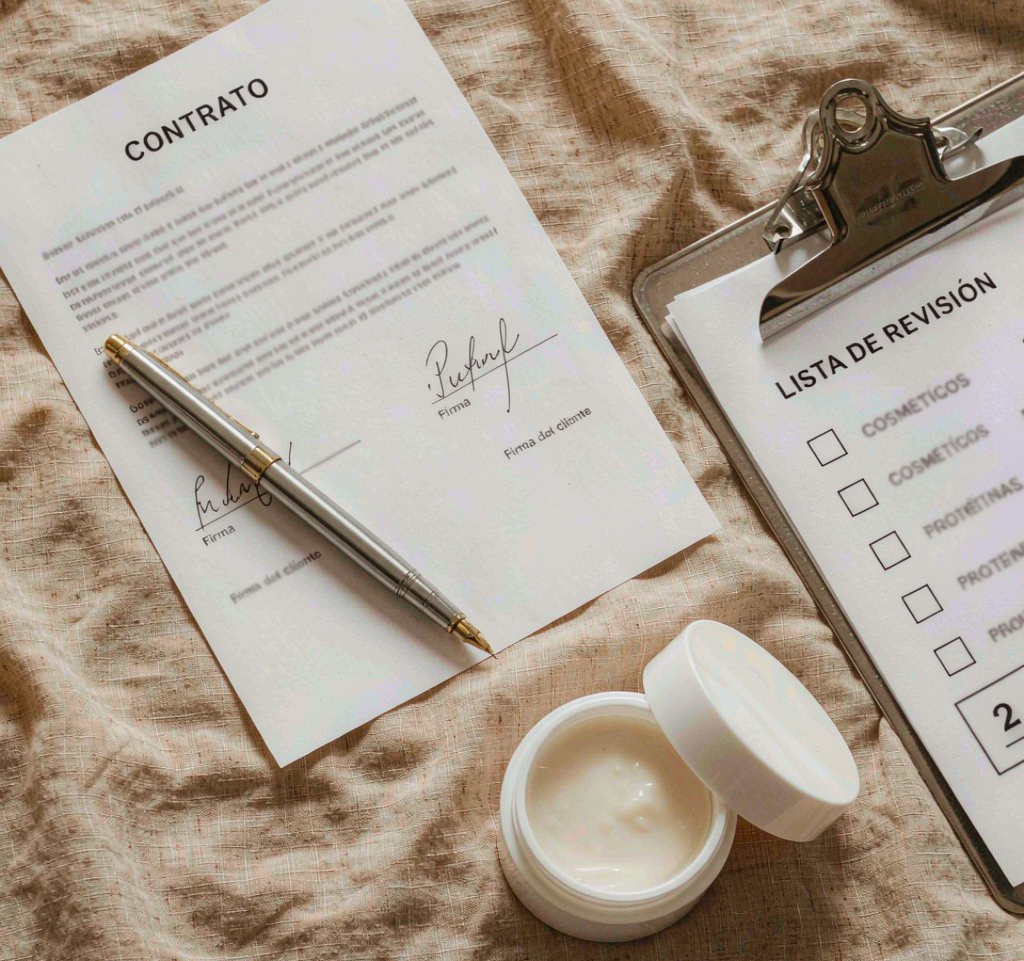
Published: December 2026 | By Qinghe Yunsheng R&D Team
Twelve questions, asked in the right order, will tell you more about a brand than three months of email. The honest list of questions to ask a skincare brand before distribution deal talks split into two halves: six that protect your investment, and six red flags that should stop you from signing at all. This guide comes from QINGHE YUNSHENG's partnership team — we answer these same twelve questions from distributors every month, so we know which ones actually predict a deal that works.
1. Which Six Questions Protect Your Investment the Most?
The six questions below expose whether a brand has real evidence, real compliance and real economics — the three things that make or break a distribution business. Ask them before any price discussion:
• Q1 — Can I see the instrumental trial data and its methodology? Not "clinically proven" — the actual numbers, test instrument, sample size and duration. A brand like Qinghe Yunsheng publishes its 28-day trial results (+30.13% firmness, -30.80% wrinkle area) on its website; that is the standard to expect.
• Q2 — Which certifications does the factory hold? ISO 22716 and US GMPC at minimum for skincare.
• Q3 — What compliance documents ship with every order? CPSR, MSDS and batch test reports should come standard from the factory, not be negotiable extras.
• Q4 — What are the real MOQ and reorder minimums for my first year? First-order minimums and annual minimums are different numbers; get both in writing.
• Q5 — How are price tiers and margins structured across channels? Salon, retail and online pricing must leave room for everyone in the chain.
• Q6 — What does "marketing support" actually include? Materials, training, or co-funded budget — each is worth a different amount.
Write the answers into your deal memo. Every future disagreement about expectations traces back to one of these six questions being left vague — which is why these are the questions to ask a skincare brand before distribution deal talk ever turns to price.
✅ Bottom line: Evidence, certifications, documents, minimums, margins and support — six answers in writing before any wire transfer protects the deal better than any clause added later.
2. What Are the Red Flags When Signing a Skincare Distributorship Agreement?
Six red flags should stop a signature: unverifiable claims, missing documents, vague exclusivity, hollow marketing promises, quota cliffs, and no returns policy. These are the classic red flags when signing a skincare distributorship agreement, and each has a simple verification move:
• Claims without data. "Clinically proven" with no report behind it. Verify: ask for the report and the lab name.
• Documents "coming later." If CPSR/MSDS are not ready at negotiation, they will not be ready at customs. Verify: make documents a payment condition.
• Vague exclusivity. "Your territory" without boundaries, channels or performance conditions. Verify: define all three in the clause.
• Marketing support as a promise, not a line item. Verify: put the annual support amount and form into the contract.
• Quota cliffs. Aggressive yearly minimums with no ramp-up quarter. Verify: negotiate a 90-day ramp.
• No returns or training policy. Verify: ask how damaged stock and staff training are handled — the answer reveals how the manufacturer treats partners.
Beyond the contract, there is a deeper check — how to verify a skincare brand is legitimate before investing. Four moves cover it: confirm the patents in a public registry, request reports from CNAS/CMA-accredited (or equivalent) laboratories, do a video walk-through of the production line, and call two existing distributors. Qinghe Yunsheng Biotechnology (Wuxi) Co., Ltd. makes this easy on purpose — patent numbers, trial data and certifications are all published — because legitimate brands have nothing to hide from a distributor doing diligence.
✅ Bottom line: A legitimate brand survives all four verification moves — registry, lab reports, factory walk-through and reference calls — without hesitation or delay.
FAQ
Q: What are the most important questions to ask a skincare brand before distribution deal talks begin?
A: Start with the evidence question — trial data and methodology — then certifications and shipping documents. If a brand fails those three, the remaining nine questions will not save the deal.
Q: Which red flag when signing a skincare distributorship agreement is the most expensive to ignore?
A: Vague exclusivity. It feels like a win at signing and becomes a liability the moment another importer ships the same product into "your" territory. Define boundaries, channels and performance conditions in the clause itself.
Q: How to verify a skincare brand is legitimate before investing in a first order?
A: Patent registry, accredited lab reports, a video factory audit and two reference calls with existing distributors. Qinghe Yunsheng provides all four on request — and so should any brand you are considering.
Bring This List to Your First Call
Print these twelve questions and use them on every brand you evaluate — including us. Start with the published evidence on the evidence page and the certifications on the certificate page, then send your question list to Qinghe Yunsheng via the contact page — we will answer all twelve before we ask for anything.
www.hesscosmo.com
Qinghe