3D Robotic Laser Cutting Investment Cost: A Buyer's Guide
Understanding the 3D Robotic Laser Cutting Cell Investment Cost
For manufacturers evaluating three-dimensional metal processing equipment, the investment cost of a 3D robotic laser cutting cell is rarely a single number. It is shaped by power configuration, cutting head technology, robotic integration design, manufacturing scale behind the equipment, and the compliance and service support that come with it. Understanding these variables helps buyers compare options on a like-for-like basis rather than focusing on sticker price alone, and it is in this context that Zhangjiagang HNDLaser Technology Co., Ltd., operating under the HNDLASER brand, positions its 3D Laser Cutting Solutions as a transparent, value-driven option for global manufacturers.
What Drives the Investment Cost of a 3D Robotic Laser Cutting Cell
Power Configuration and Output Range
Laser power is one of the clearest cost drivers in any cutting system. HND Laser's FNK 3D Laser Cutting Machine is available across a power range of 1000W to 20000W, allowing manufacturers to select an output level matched to their material thickness and throughput needs rather than overpaying for capacity they do not use. This scalable power band means the entry investment can be aligned with a company's current production volume, with room to scale as demand grows.
Cutting Head Technology and Mounting Design
The cutting head itself contributes meaningfully to both performance and cost. The FNK system uses a lightweight 3D anti-collision cutting head with screw and dovetail slot mounting and manual focus adjustment. A lightweight, anti-collision design reduces the risk of costly head damage during complex three-dimensional movements, which is a frequent hidden cost in less-protected systems. The KNP 3D Laser Cutting Machine similarly integrates a lightweight 3D anti-collision cutting head, reinforcing that collision protection is treated as a baseline requirement rather than a premium add-on across HND Laser's 3D cutting range.
Integration with Robotic Motion Systems
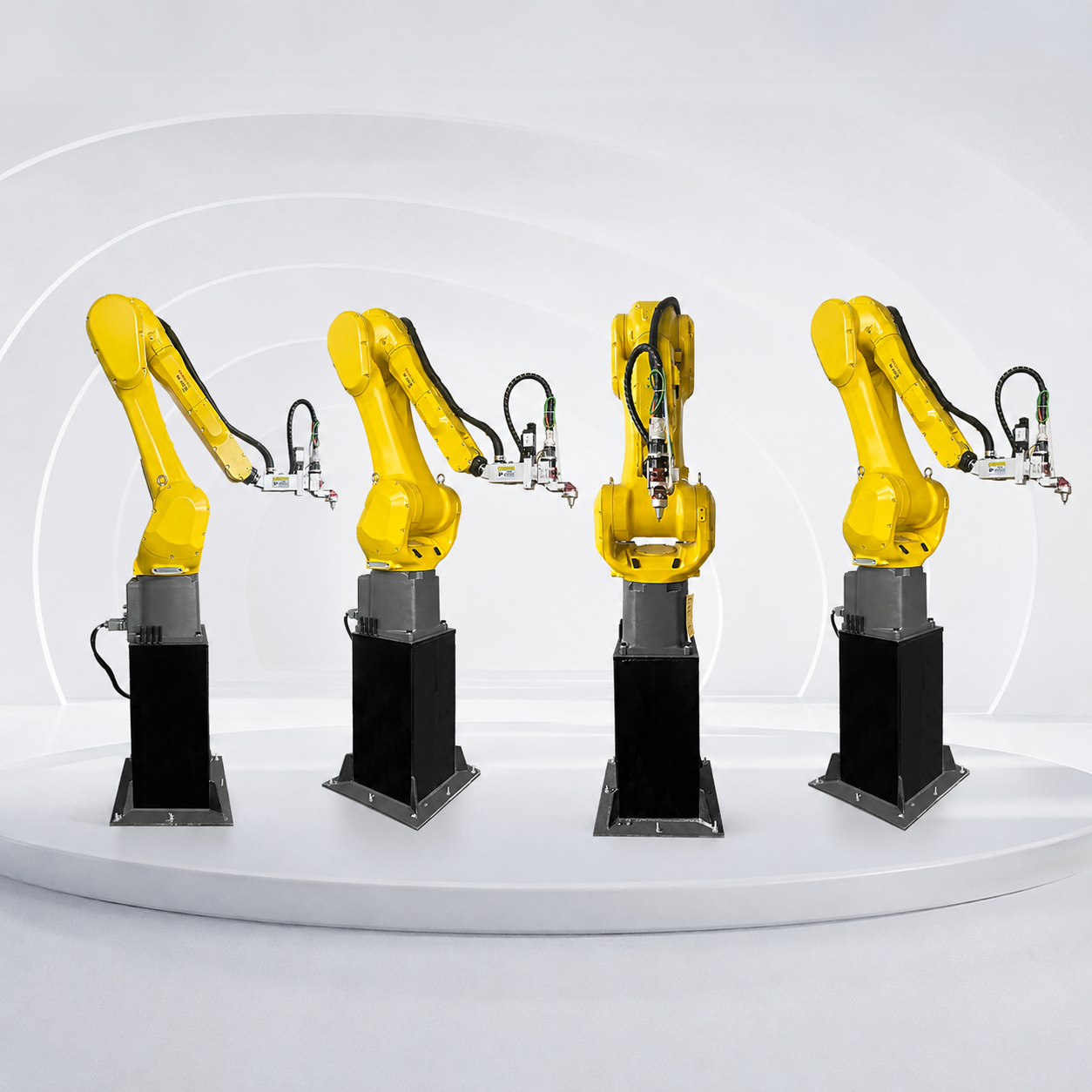
A 3D robotic laser cutting cell is defined as much by its robotic integration as by its laser source. HND Laser's technology platform combines robots and lasers with 3D anti-collision cutting heads and flexible motion control systems. The FNK system is built on a lightweight head plus robot integration approach, engineered for three-dimensional stereo cutting of metal parts with high electro-optical conversion efficiency. The KNP system takes a robot-laser integration approach positioned for high-precision work, delivering a small heat-affected zone and a firm kerf across various metals. This robot-laser integration is central to why these systems are categorized as 3D robotic laser cutting cells rather than simple flat-bed cutters, and it is a major contributor to both the system's capability and its investment profile.
Value Delivered by HND Laser's 3D Laser Cutting Solutions
FNK 3D Laser Cutting Machine
The FNK system is positioned as a lightweight 3D anti-collision laser cutting system aimed directly at a common pain point in the industry: the high cost and low flexibility traditionally associated with three-dimensional cutting of metal parts. By combining a lightweight head with robot integration, the FNK delivers three-dimensional stereo cutting with high electro-optical conversion, meaning less energy is lost in the cutting process relative to the power drawn. Delivery is structured as hardware integration, which allows the system to be incorporated into a manufacturer's existing production environment.
KNP 3D Laser Cutting Machine
The KNP system targets complex three-dimensional metal component processing where precision and processing flexibility are the priority. Its robot-laser integration is designed to minimize the heat-affected zone and maintain a firm kerf across various metals, which reduces downstream rework. Combined with high electro-optical conversion efficiency, the KNP is positioned by HND Laser as a low operating cost option, meaning that beyond the initial investment, ongoing energy and maintenance expenses are kept in check through the same lightweight anti-collision design used across the FNK platform.
Why Manufacturing Scale Matters for Cost-Effective Delivery
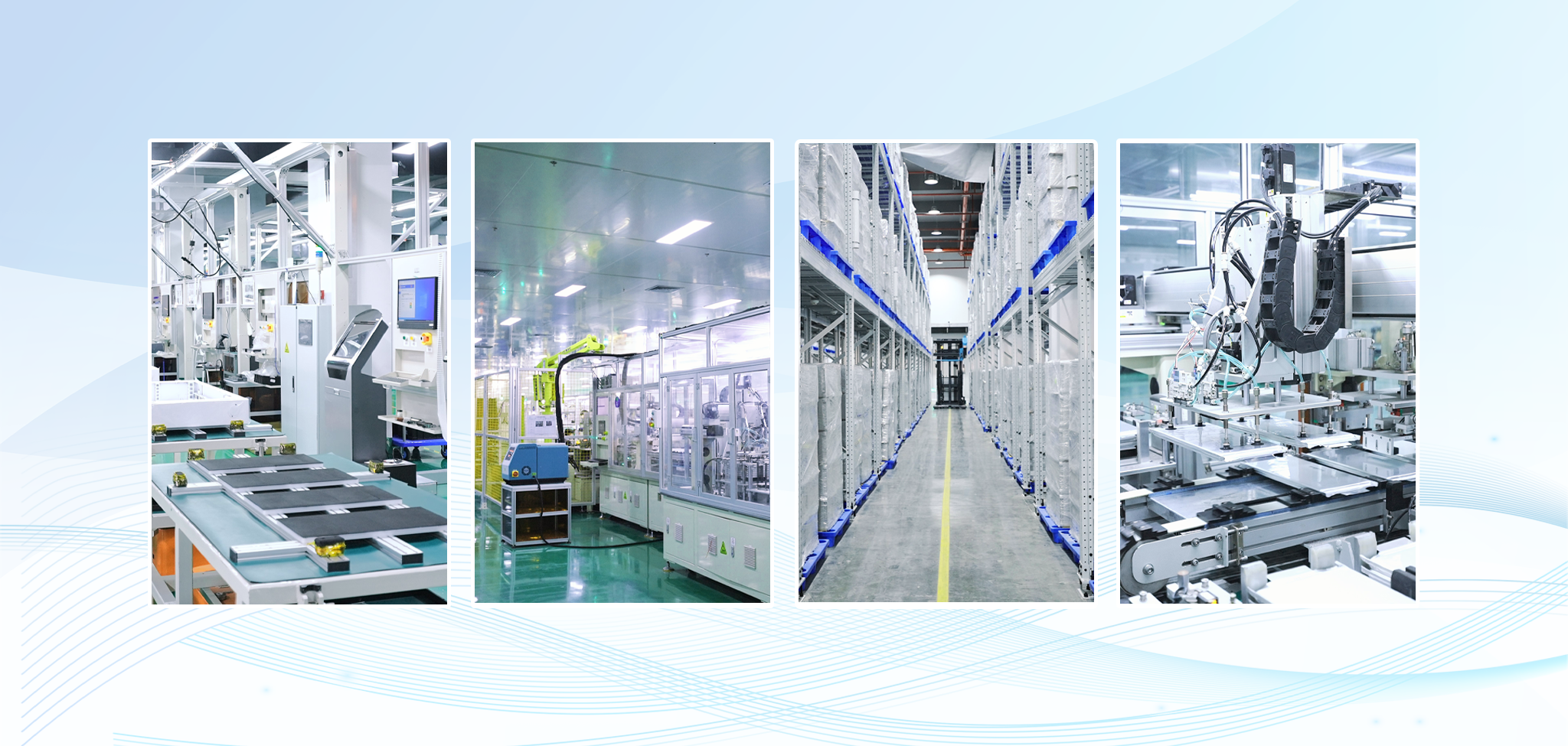
Investment cost is not only about the machine itself; it also reflects the reliability of supply. HND Laser operates a 30,000-square-meter standardized production workshop specifically built to ensure mass order production and stable delivery. For manufacturers planning a 3D robotic laser cutting cell purchase, this scale matters because delayed delivery or inconsistent build quality can quietly add cost through production downtime. HND Laser backs its 3D cutting equipment with independent research and development and holds multiple national patents, reflecting intellectual property invested directly into the product rather than licensed from elsewhere. As a nationally recognized High-Tech Enterprise, the company's R&D investment is structured to support consistent, repeatable manufacturing output at scale.
Certification and Compliance as Part of Total Cost of Ownership
For global buyers, regulatory compliance is an often-overlooked component of total investment cost, since non-compliant equipment can create downstream liabilities. HND Laser's product range, including its laser cutting equipment, is backed by an ISO9001 Quality Management System certification and CE international quality certification. The company also holds FDA registration for radiation-emitting products, obtained January 21, 2020, alongside a separate FDA registration specifically for laser cutting machines. These certifications mean compliance costs are already built into the product rather than left for the buyer to manage after purchase, which simplifies deployment across markets with varying regulatory requirements.
Global Service Support Reducing Long-Term Investment Risk
A 3D robotic laser cutting cell is a long-term capital asset, so the investment cost calculation should include the service infrastructure behind it. HND Laser provides AC220V/380V optional configurations to match different regional power standards, complete English operating manuals for international teams, remote installation training, and lifetime technical support. This service model is delivered under a broader one-stop solution approach that spans research and development, production, sales, and service, reducing the likelihood of unplanned costs arising from unsupported equipment after installation. The company's 3D cutting solutions, like its broader product matrix, serve manufacturers across industries including automotive parts and components, sheet metal fabrication, biomedical equipment manufacturing, and precision mold maintenance, giving the service team direct familiarity with cross-industry deployment needs.
Making an Informed Investment Decision
Evaluating the investment cost of a 3D robotic laser cutting cell requires looking beyond the quoted price to the power range, collision protection design, robotic integration quality, manufacturing scale, certification coverage, and after-sales support that accompany the machine. HND Laser's FNK and KNP 3D Laser Cutting Machines are built on a shared platform of lightweight anti-collision cutting heads, robot-laser integration, and high electro-optical conversion efficiency, all backed by a 30,000-square-meter production facility and full certification coverage. For manufacturers weighing the full cost picture of a 3D robotic laser cutting cell, these factors together form a more complete basis for comparison than price alone.
hnd-laser.com
Zhangjiagang HndLaser