Adjustable No-Pull Dog Harnesses: Comfort Meets Control
Walking your dog should be an enjoyable experience, not a tug-of-war. Yet, for many dog owners, uncontrolled pulling during walks is a common problem. This is where adjustable no-pull dog harnesses come into play. Designed to provide both comfort for your pet and control for the owner, these harnesses are revolutionizing dog walking routines worldwide. In this article, we will explore the benefits of adjustable no-pull dog harnesses, how to choose the right one, and tips for effective use.
Understanding the No-Pull Dog Harness
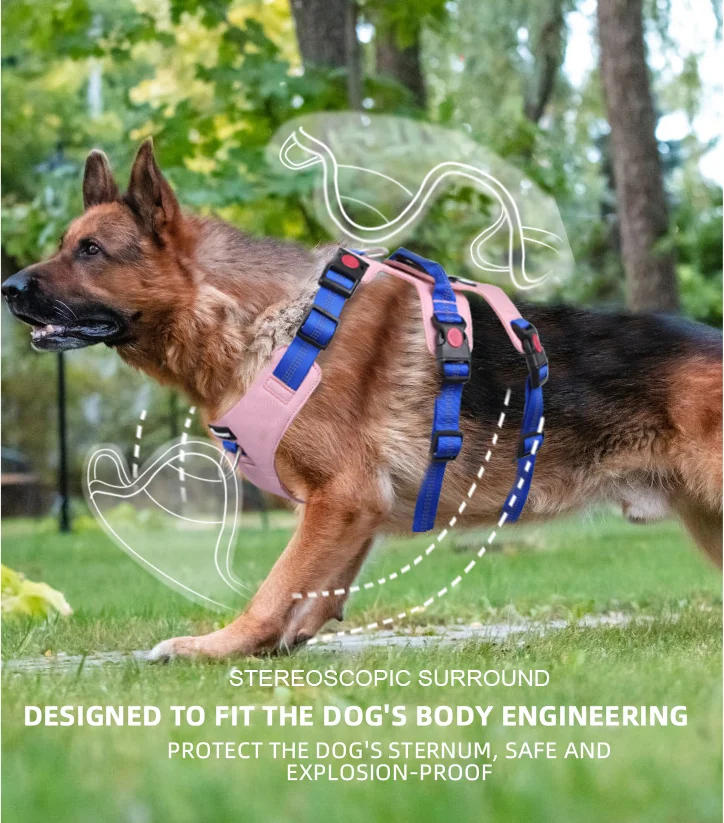
A no-pull dog harness is designed to discourage dogs from pulling while walking, offering a safe and effective alternative to collars. Unlike traditional collars that apply pressure to a dog’s neck, a no-pull harness redistributes pressure across the dog’s chest and shoulders. This design not only protects the dog from potential neck injuries but also allows the owner to have better control during walks.
The adjustable feature of these harnesses takes functionality to the next level. Dogs come in all shapes and sizes, and a harness that can be adjusted ensures a snug, comfortable fit regardless of breed or body type. Proper fit is crucial because an ill-fitting harness can lead to discomfort, chafing, and ineffective control.
Benefits of Adjustable No-Pull Harnesses
1. Enhanced Comfort for Your Dog
Comfort is paramount. Adjustable no-pull harnesses are made with padded materials and multiple points of adjustment, allowing the harness to contour perfectly to your dog’s body. This minimizes pressure points and eliminates rubbing, which can cause skin irritation. A comfortable dog is more likely to enjoy walks and respond positively to training.
2. Improved Control for the Owner
One of the main advantages of a no-pull harness is the increased control it offers. With front-clip designs, the harness gently steers your dog toward you when pulling, discouraging unwanted behavior. Back-clip designs are also available for dogs that are already trained but need additional control. Adjustable straps ensure that the harness remains secure, even if the dog tries to wiggle free.
3. Safe for All Breeds
Collars can be risky for small breeds, brachycephalic breeds (like pugs and bulldogs), and dogs with respiratory issues. Adjustable no-pull harnesses distribute pressure across the chest and shoulders, making them safer for sensitive dogs. Large and strong breeds benefit as well, as the harness gives the owner leverage to manage pulling without causing harm.
4. Supports Training and Behavior Modification
No-pull harnesses are not just about control; they are excellent training tools. Consistent use teaches dogs that pulling is unnecessary and that walking beside their owner is rewarding. Adjustable harnesses can be fine-tuned to maintain optimal tension without causing discomfort, which is essential for positive reinforcement training.
How to Choose the Right Adjustable No-Pull Dog Harness
With so many options available, selecting the right harness can be overwhelming. Here are key factors to consider:
1. Size and Fit
Measure your dog’s chest and neck circumference before purchasing a harness. Look for adjustable harnesses with multiple straps that allow for a customized fit. A well-fitted harness should be snug but not tight, allowing two fingers to fit comfortably between the harness and the dog’s body.
2. Clip Style
Front-clip harnesses are ideal for training and discouraging pulling, while back-clip harnesses are suitable for casual walks and dogs that are already leash-trained. Some harnesses feature both options, giving you flexibility depending on your dog’s behavior.
3. Material and Padding
High-quality materials such as nylon, polyester, or breathable mesh provide durability and comfort. Padded harnesses reduce the risk of chafing, making long walks more enjoyable. Reflective materials or bright colors can enhance visibility during nighttime walks.
4. Ease of Use
Harnesses should be easy to put on and take off, ideally with quick-release buckles. Adjustable straps should be intuitive, allowing owners to fine-tune the fit without struggling. A harness that is complicated to use may discourage regular use.
5. Additional Features
Some harnesses come with extra features like handles for lifting or assisting your dog, D-rings for leash attachment, or storage pockets for small items. These features can add convenience, especially for active dogs or outdoor adventures.
Tips for Using an Adjustable No-Pull Harness Effectively
Even the best harness won’t work if not used correctly. Here are some tips:
1. Introduce the Harness Gradually
Allow your dog to explore the harness before putting it on. Let them sniff it and wear it for short periods indoors to get comfortable. Reward positive behavior with treats or praise.
2. Adjust Properly Every Time
Dogs can grow or gain weight, so always check the fit before each walk. Ensure the straps are snug but not restrictive, and adjust the harness if you notice any shifting during movement.
3. Combine with Positive Reinforcement Training
No-pull harnesses work best when paired with consistent training. Reward your dog for walking beside you calmly and ignore pulling. Over time, your dog will associate walking politely with positive outcomes.
4. Use the Right Leash
Pair your harness with a suitable leash, ideally 4-6 feet long for urban walks. Retractable leashes are not recommended for training as they can encourage pulling. A standard leash allows better control and reinforces good walking behavior.
5. Monitor for Wear and Tear
Check your harness regularly for frayed straps, broken buckles, or worn padding. An adjustable harness must remain in good condition to ensure safety and effectiveness.
Common Mistakes to Avoid
Even with a high-quality adjustable no-pull harness, dog owners can make errors that reduce effectiveness:
-
Improper Fit: Too tight or too loose straps can cause discomfort or allow the dog to escape.
-
Inconsistent Use: Switching between a collar and harness too often confuses the dog.
-
Using the Harness as Punishment: Harnesses are training tools, not instruments of correction. Avoid yanking or pulling harshly.
-
Ignoring Behavior: The harness doesn’t automatically stop pulling; consistent training is necessary.
Popular Types of Adjustable No-Pull Harnesses
-
Front-Clip Harnesses: Best for strong pullers. The front attachment gently redirects the dog toward the owner.
-
Back-Clip Harnesses: Ideal for calm, leash-trained dogs, providing comfort during regular walks.
-
Dual-Clip Harnesses: Offer both front and back leash attachment, versatile for training and casual use.
-
Step-In Harnesses: Easy to wear, especially for dogs that dislike having things pulled over their head.
-
Padded Mesh Harnesses: Lightweight and breathable, suitable for active or outdoor dogs.
Conclusion
Adjustable no-pull dog harnesses truly represent the balance between comfort and control. They protect your dog from unnecessary strain while giving owners the tools to manage walks effectively. Whether you have a puppy, a strong puller, or a sensitive breed, an adjustable harness can make daily walks safer, more enjoyable, and less stressful.
By choosing a harness that fits well, using it consistently, and combining it with positive reinforcement training, dog owners can transform walking from a struggle into a rewarding bonding experience. Remember, the best harness is not just about stopping pulling—it’s about creating a comfortable, safe, and enjoyable environment for both you and your furry companion.
www.dogfavors.com
dogfavors