Advanced Termite Monitoring Instrument: Key Features, Applications, and Manufacturer Advantages
Termite control is changing as property owners, engineering contractors, and pest management companies look for more efficient ways to detect termite activity. Traditional inspection methods still have their place, but manually checking every monitoring point can become difficult when a project covers a large area or involves locations that are hard to access.
An advanced Termite Monitoring Instrument provides a practical alternative by combining automatic sensing, wireless communication, cloud monitoring, and remote alerts. Instead of relying entirely on periodic site inspections, users can monitor termite activity continuously and focus field work on locations where an intervention is actually required.
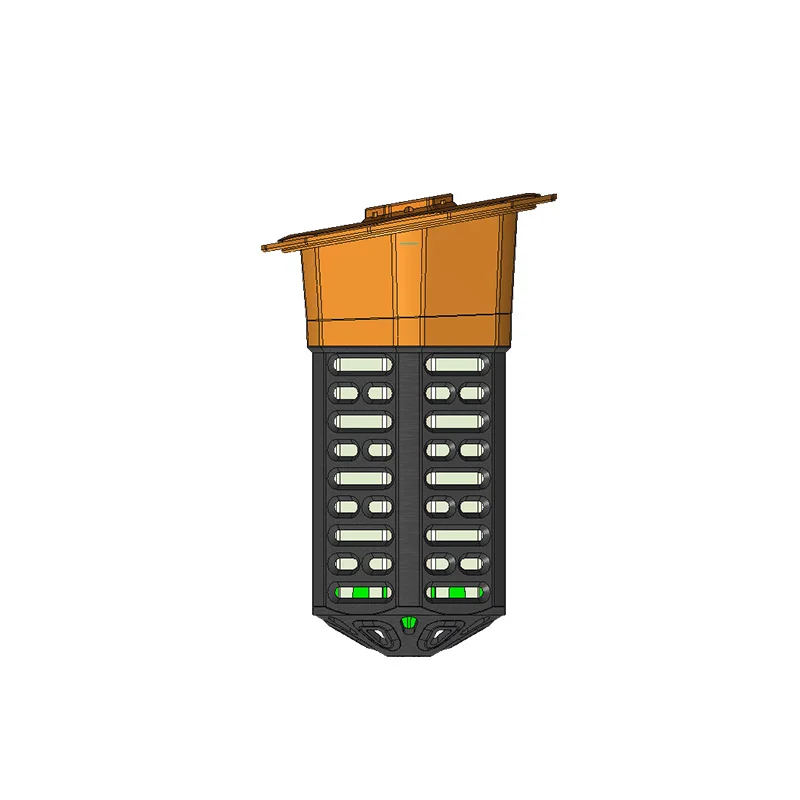
The HCBY-B02 Termite Monitoring Instrument, developed by Shanghai HCCS Measurement Technology Co., Ltd., is designed specifically for this type of application. The system combines AIoT communication, electronic termite detection, cloud-based monitoring, and a built-in treatment channel into one field-deployment solution. It is intended for applications including dams, reservoirs, levees, heritage buildings, ancient trees, municipal facilities, and residential communities.
From Manual Inspection to Automated Termite Monitoring
A conventional termite monitoring program often involves installing monitoring stations and sending technicians to inspect them at regular intervals. Although this approach is straightforward, it creates several practical limitations.
First, there is a time gap between inspections. If termite activity begins shortly after a technician leaves the site, the problem may remain unnoticed until the next scheduled visit.
Second, large projects can contain many monitoring points. Checking every station manually requires considerable manpower and transportation.
Third, opening monitoring boxes repeatedly can disturb the internal environment and increase the possibility of equipment damage.
The HCBY-B02 addresses these issues by providing 24/7 automated monitoring. Termite-attractive bait draws termites into the monitoring chamber. When feeding activity triggers the built-in electromagnetic Hall sensor module, the instrument sends an alarm signal to the cloud platform for remote analysis and monitoring.
The result is a more focused workflow: the system continuously watches the monitoring points, while technicians can concentrate on locations that generate meaningful alerts.
HCBY-B02 Termite Monitoring Instrument: Built for Real Applications
The HCBY-B02 is not simply a standalone sensor. It is designed as an integrated termite monitoring and control system.
According to the manufacturer's product information, the system combines an intelligent underground monitoring device with AIoT wireless communication and a dedicated cloud platform. This allows monitoring data and system status to be accessed remotely through PC or mobile clients. Multi-level permissions can also be configured for different users and stakeholders.
For a pest control company, this means technicians can manage multiple monitoring locations from a centralized platform. For an engineering contractor, it provides a way to incorporate termite monitoring into a broader infrastructure management program.
Key Product Advantages
1. 24/7 Online Monitoring
Continuous monitoring is one of the most important advantages of the HCBY-B02.
Periodic manual inspection provides snapshots of site conditions. Automated monitoring provides ongoing surveillance.
The system is designed to detect termite activity continuously and transmit relevant alarm information remotely. This helps reduce the blind spots associated with inspection schedules and gives operators earlier visibility into developing termite activity.
For large infrastructure projects, this can make daily monitoring more manageable without requiring technicians to physically visit every monitoring station.
2. Remote Data Access and Alarm Notifications
A modern monitoring system needs to do more than detect an event. It also needs to deliver that information to the right person.
The HCBY-B02 supports remote access through PC and mobile clients. Cloud-based alarm information can be pushed through SMS or App notifications, helping responsible personnel respond without being physically located at the monitoring site.
This feature is especially useful for distributed monitoring networks where multiple stations may be installed across dams, levees, parks, heritage areas, or residential communities.
3. Non-Intrusive Electronic Inspection
One practical problem with traditional monitoring stations is the need to open them during inspections.
The HCBY-B02 uses electronic sensing to monitor termite activity without repeatedly opening the sealed monitoring box. According to the manufacturer, this helps preserve the internal micro-environment, reduce disturbance to termite colonies, and lower equipment damage caused by frequent manual intervention.
For field operators, fewer physical inspections can also mean a simpler maintenance routine.
4. Integrated Detection and Treatment
Detection is only useful when it can lead to appropriate action.
The HCBY-B02 includes a reserved pesticide delivery channel, allowing bait or treatment materials to be applied after termite activity is detected. This creates a practical detect-and-treat workflow.
Instead of treating an entire area without clear evidence of active termite activity, pest management teams can use monitoring information to identify specific locations requiring attention.
This design can be particularly useful for professional pest control projects where monitoring and treatment need to work together rather than being managed as two completely separate processes.
Designed for Outdoor and Long-Term Deployment
A termite monitoring device installed underground or outdoors needs to deal with moisture, temperature changes, and extended unattended operation.
The HCBY-B02 has an IP68 protection rating for its PCB electronic compartment and a specified working temperature range of -30°C to +70°C. Its enclosure is made from HDPE, described by the manufacturer as environmentally friendly, non-toxic, and corrosion-resistant.
The system uses a built-in 5Ah lithium battery, with a specified battery life of at least three years and a service life of at least eight years.
These specifications are important when planning a monitoring network because frequent battery replacement can create unnecessary field maintenance. A system designed for long-term unattended operation can be more practical for remote locations.
Communication Designed for IoT Monitoring Networks
The communication system is another important consideration when selecting a professional termite monitoring instrument.
The HCBY-B02 supports AIoT full-network communication covering major mobile networks. The listed communication protocols include RESTHTTP, MQTT, TCP/IP, DDS, and JMS, with customization available for communication requirements.
This makes the system more adaptable to different IoT monitoring architectures.
For engineering companies and system integrators, communication flexibility can be important because different projects may have different data transmission and platform integration requirements.
Modular Design Makes Field Maintenance Easier
Long-term monitoring equipment needs to be maintained as well as monitored.
The HCBY-B02 uses a modular design that supports replacement of the bait and battery. It also incorporates RFID functionality for non-contact PDA inspection. Optional functions include Beidou high-precision positioning and temperature measurement.
This approach is useful for projects with many monitoring points. Technicians can organize maintenance around actual equipment requirements rather than treating every monitoring station as requiring the same inspection frequency.
The manufacturer's product specifications also list six sets of aging-treated bait and two electronic trigger modules.
Where Can This Termite Monitoring Instrument Be Used?
The HCBY-B02 is particularly relevant to applications where termite activity needs to be monitored continuously rather than checked only during routine pest inspections.
Dams, Reservoirs, and Levees
Water conservancy infrastructure may cover extensive areas and can be difficult to inspect manually. Installing automated termite monitoring points provides a way to establish continuous surveillance at selected locations.
For these projects, the value of remote monitoring is not simply convenience. It can help operators identify termite activity without requiring routine physical access to every monitoring point.
Heritage Buildings
Historic buildings require careful maintenance, and unnecessary disturbance should be minimized wherever possible.
A non-intrusive monitoring approach allows termite activity to be tracked electronically while reducing the need to repeatedly open monitoring stations.
Ancient Trees and Green Spaces
Termite monitoring can also be applied around valuable trees and landscaped areas. Automated monitoring allows property managers or maintenance teams to identify activity and determine where further inspection or treatment is necessary.
Municipal and Residential Communities
For property managers responsible for multiple buildings or outdoor areas, centralized monitoring can simplify routine pest management.
Instead of maintaining isolated records for individual monitoring stations, data can be collected and viewed through a connected monitoring system.
Why Manufacturer Capability Matters
When purchasing a professional termite monitoring instrument, the product itself is only one part of the evaluation.
The manufacturer's R&D and engineering capabilities can have a direct influence on sensor design, communication stability, mechanical construction, software integration, and long-term field performance.
Shanghai HCCS Measurement Technology Co., Ltd. focuses on automated monitoring solutions for engineering and structural safety. Its multidisciplinary R&D capabilities cover civil engineering, structural mechanics, electronics, automation, measurement and control, computer science, sensor technology, and mechanical design.
This combination of disciplines is relevant to IoT monitoring equipment because a reliable field system requires hardware, sensors, communications, software, power management, and mechanical design to function as one complete solution.
The company also develops monitoring equipment across several engineering categories, including slope monitoring radar, nondestructive testing, geotechnical engineering, and harmful organism monitoring. Its product portfolio includes GNSS receivers, blasting vibration monitors, tiltmeters, rebar strainmeters, shape acceleration arrays, and the HCBY-B02 Termite Monitoring Instrument.
For customers looking for a manufacturer with experience in broader automated monitoring technology, this product range can be an important advantage.
Factory-Based Development and Product Integration
For B2B buyers, working directly with an experienced manufacturer can provide advantages beyond purchasing a finished device.
A factory with its own engineering and R&D capabilities can better understand the relationship between the sensor, enclosure, communication module, power supply, monitoring platform, and installation environment.
This is particularly important for termite monitoring because application requirements can vary considerably. A device installed near a residential community may face different conditions from one deployed on a large levee or heritage site.
Shanghai HCCS Measurement Technology Co., Ltd. states that it specializes in the development, production, and implementation of IoT-based sensing systems for automated monitoring applications. Its service offering also includes technical consultation, monitoring solutions, parts support, and project implementation for global customers.
For distributors, engineering companies, and system integrators, this broader capability can make communication with the manufacturer more straightforward when a project requires technical coordination.
What Should Buyers Check Before Selecting a Termite Monitoring Instrument?
A professional buyer should evaluate the complete monitoring system rather than focusing on a single specification.
Important points include:
-
Detection method: How does the instrument identify termite activity?
-
Monitoring frequency: Can it operate continuously?
-
Remote communication: Can data and alarms be transmitted automatically?
-
Platform access: Can users monitor devices through PC or mobile clients?
-
Environmental protection: Is the equipment suitable for outdoor or underground deployment?
-
Battery performance: How long can the unit operate without replacement?
-
Maintenance: Can bait and batteries be replaced efficiently?
-
Treatment capability: Is there a practical way to connect detection with treatment?
-
Communication compatibility: Can the system integrate with the required IoT architecture?
-
Manufacturer support: Can the supplier provide technical support and project-level assistance?
The HCBY-B02 addresses these requirements through continuous monitoring, cloud communication, electronic sensing, a treatment channel, weather-resistant construction, modular maintenance, and multiple communication protocols.
A More Practical Approach to Termite Prevention
The goal of automated termite monitoring is not to eliminate the role of professional technicians. Instead, it helps them work more efficiently.
A monitoring instrument can continuously observe termite activity. The cloud platform can collect and transmit the information. Automated alerts can identify locations requiring attention. Technicians can then carry out inspection and treatment based on actual monitoring data.
This creates a straightforward operating cycle:
Monitor → Detect → Alert → Inspect → Treat → Continue Monitoring
For large-scale infrastructure and property management, this approach can be easier to organize than relying entirely on periodic manual inspections.
Why Consider Shanghai HCCS Measurement Technology Co., Ltd.?
For buyers searching for a Termite Monitoring Instrument Manufacturer, Shanghai HCCS Measurement Technology Co., Ltd. offers a combination of product development, IoT technology, sensing expertise, and engineering monitoring experience.
The HCBY-B02 is designed for real-world deployment rather than laboratory demonstration. Its combination of AIoT communication, cloud monitoring, Hall sensor-based detection, remote alarms, non-intrusive inspection, integrated treatment capability, IP68 electronic protection, long battery life, and modular maintenance makes it suitable for demanding monitoring environments.
More importantly, the product is part of a broader engineering monitoring portfolio. This gives customers the option to work with a manufacturer whose expertise extends beyond a single termite control product.
For organizations managing dams, levees, heritage buildings, ancient trees, municipal facilities, residential communities, or other assets exposed to termite risks, an advanced monitoring system can provide a more systematic way to identify activity and organize follow-up work.
If your project requires a Termite Monitoring Instrument for continuous remote detection, the HCBY-B02 is worth evaluating as part of a modern automated pest monitoring strategy.
Product Information: HCBY-B02 Termite Monitoring Instrument
Manufacturer: Shanghai HCCS Measurement Technology Co., Ltd.
Related Engineering Solutions: Geotechnical Engineering Monitoring Solutions
https://en.huacecs.com/
Shanghai HCCS Measurement Technology Co., Ltd.