Best Solar PV Battery Storage and Solar PV Battery Storage Cost Analysis for Long-Term Grid Stability and Investment Optimization
The rapid growth of renewable energy has changed the role of battery storage systems in modern power networks. Solar PV battery storage is no longer only used as a backup solution. For commercial facilities, industrial parks, renewable energy projects, and microgrid applications, it has become an important infrastructure component for improving energy efficiency, reducing electricity costs, and increasing renewable energy utilization.
For EPC contractors, energy project developers, and industrial users, choosing the Best solar PV battery storage system requires more than comparing battery capacity or purchase price. A reliable solution must be evaluated through long-term operational performance, including battery lifespan, energy management capability, grid compatibility, and overall lifecycle economics.
At the same time, solar PV battery storage cost should be analyzed from a complete lifecycle perspective rather than only initial investment. Factors such as cycle life, efficiency loss, maintenance requirements, and replacement frequency directly influence the final return on investment.
Fong Power Technology Co., Ltd. specializes in industrial energy storage solutions, offering standardized air-cooled and liquid-cooled container energy storage systems from 120kWh to 1045kWh. With expertise in EMS development, grid integration, and large-scale deployment, the company provides energy storage solutions for industrial parks, PV power plants, EV charging stations, and microgrid applications.
Evaluating Solar PV Battery Storage Beyond Capacity
Battery capacity is often the first specification considered when selecting an energy storage system. However, capacity alone does not determine project value.
In real-world applications, system stability throughout the operating lifecycle is more important.
A high-performance solar PV battery storage system should provide:
-
Stable charging and discharging efficiency
-
Reliable energy output after thousands of cycles
-
Consistent performance under changing solar conditions
-
Flexible response to grid and load variations
For industrial users, a battery system that maintains predictable performance over years of operation can deliver greater economic benefits than a lower-cost system with faster degradation.
Battery Cycle Life and Degradation Performance
Battery degradation is one of the most important factors affecting energy storage investment returns.
Every charging and discharging cycle causes gradual capacity reduction. Therefore, battery chemistry and thermal management directly influence the long-term profitability of an energy storage project.
Fong Power systems use LFP (Lithium Iron Phosphate) 314Ah battery cells designed for:
-
More than 8000 cycles at 70% state of health (SOH)
-
High thermal stability
-
Lower safety risks
-
Stable discharge characteristics
Long cycle life helps improve:
-
Long-term energy availability
-
Asset lifespan
-
Investment return predictability
A battery system with poor degradation control may increase operating costs through:
-
Earlier replacement requirements
-
Reduced usable capacity
-
Higher lifecycle energy costs
Managing Solar Power Fluctuation with Intelligent Energy Storage
Solar power generation naturally changes because of weather conditions, sunlight intensity, and seasonal variations.
Without energy storage optimization, these fluctuations may affect grid stability and renewable energy utilization.
An effective solar PV battery storage system should support:
-
Solar output smoothing
-
Peak shaving
-
Valley filling
-
Grid power regulation
Fong Power integrates intelligent EMS technology with:
-
Load monitoring algorithms
-
PV-storage coordination strategies
-
Anti-backflow control functions
These technologies help improve:
-
Renewable energy utilization efficiency
-
Grid connection stability
-
Energy cost management performance
EMS Intelligence and Energy Optimization
The Energy Management System (EMS) is the control center of a modern storage system.
A powerful EMS does more than monitor battery status. It analyzes energy demand, solar production, and grid conditions to optimize energy scheduling.
Fong Power EMS includes:
-
Quad-core ARM Cortex-A55 processor (1.8GHz)
-
Real-time energy dispatch control
-
Multi-strategy optimization functions
The system supports:
-
Peak shaving and valley filling
-
Demand charge management
-
PV-storage optimization
-
Scheduled energy dispatch
-
Grid frequency regulation support
Additional capabilities include:
-
OTA remote upgrades
-
Cloud monitoring
-
Multi-site coordination
Through intelligent energy management, storage systems can improve asset utilization and increase project profitability.
Battery Safety and Thermal Management Design
Energy storage systems often operate in demanding outdoor and industrial environments. Temperature control and safety management are therefore critical.
Fong Power systems are designed to operate within:
-20°C to 55°C
The systems support challenging environments including:
-
High humidity conditions
-
Dust exposure areas
-
Industrial electromagnetic interference environments
Thermal management technologies include:
-
Intelligent air cooling
-
Liquid cooling for high-density applications
-
Real-time temperature monitoring
Effective thermal control helps:
-
Maintain stable system efficiency
-
Reduce battery aging
-
Improve operational safety
Understanding Solar PV Battery Storage Cost Through Lifecycle Analysis
The actual cost of an energy storage system cannot be determined only by the initial purchase price.
A complete economic evaluation should include:
-
Initial equipment investment
-
Battery degradation impact
-
Operation and maintenance expenses
-
Energy conversion efficiency
-
Replacement requirements
Initial Investment and System Components
The main investment components include:
-
Battery modules
-
Container integration system
-
EMS platform
-
PCS and inverter equipment
-
Installation and commissioning
However, lower upfront cost does not always mean better financial performance.
A system with longer service life and higher efficiency may provide better value over a 10–15 year operating period.
Operation and Maintenance Efficiency
Maintenance requirements directly influence the total ownership cost of energy storage systems.
Fong Power improves operational efficiency through:
-
Modular container design
-
Remote EMS monitoring
-
Predictive maintenance technology
-
Professional service support
The company’s technical service capabilities include:
-
High and low voltage electricians
-
Dispatch operators
-
Power trading license holders
-
Fire safety certified engineers
These capabilities help ensure reliable long-term operation.
Efficiency Loss and Energy Revenue Impact
Energy losses can occur during:
-
Battery charging
-
Battery discharging
-
Power conversion
-
Thermal management
Higher system efficiency means:
-
More usable stored energy
-
Better energy utilization
-
Improved economic performance
For large-scale projects, even small efficiency improvements can significantly affect lifecycle revenue.
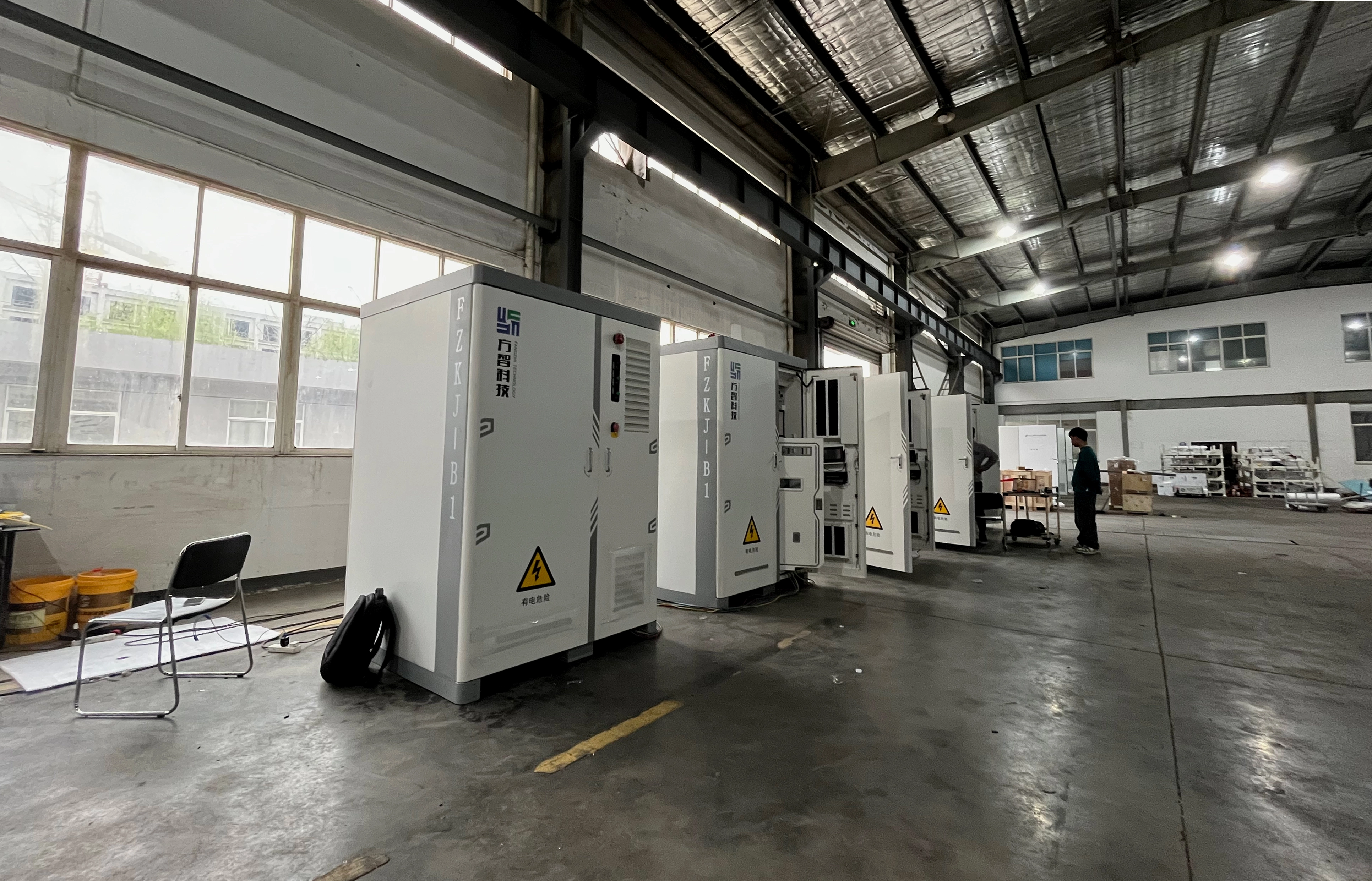
Fong Power 1045kWh Container Energy Storage System
Fong Power’s 1045kWh container energy storage system is designed for industrial-scale energy management applications.
Key features include:
-
LFP 314Ah high-safety battery cells
-
IP55 protection rating
-
Operating temperature range from -20°C to 55°C
-
More than 8000 cycle life
-
Intelligent EMS integration
-
Plug-and-play CEE and Powerlock interfaces
Typical applications include:
-
Industrial peak shaving
-
Solar and wind energy stabilization
-
EV charging station buffering
-
Microgrid systems
-
Emergency backup power
The modular design allows flexible deployment according to different project requirements.
Selecting the Right Energy Storage System for Long-Term Value
For investors and energy developers, the key question is not:
“Which battery system has the lowest initial price?”
The more important question is:
“Which system provides the lowest cost per usable kWh throughout its lifecycle?”
A successful energy storage investment depends on:
-
Battery durability
-
EMS intelligence
-
Thermal stability
-
Grid compatibility
-
Maintenance efficiency
The right system design can improve project profitability while reducing long-term operational risks.
Fong Power Technology’s Energy Storage Capability
Fong Power Technology is a high-tech enterprise specializing in:
-
Standardized air-cooled and liquid-cooled ESS systems
-
120kWh / 200kWh / 400kWh / 1045kWh energy storage platforms
-
Self-developed EMS solutions
-
Industrial energy storage service capabilities
The company provides solutions for:
-
Grid-side energy storage
-
Industrial and commercial energy storage
-
PV and wind hybrid storage systems
-
EV charging energy solutions
-
Microgrid projects
With a focus on safety, efficiency, and lifecycle performance, Fong Power develops energy storage systems designed to support reliable renewable energy utilization.
Conclusion
The Best solar PV battery storage system is not defined only by battery size or initial equipment cost. The real value comes from long-term stability, intelligent energy management, safety design, and lifecycle economics.
When evaluating solar PV battery storage cost, companies should consider:
-
Cycle life performance
-
Energy conversion efficiency
-
EMS optimization capability
-
Maintenance requirements
-
Long-term degradation behavior
For EPC contractors, industrial energy managers, and renewable energy developers, selecting an energy storage system is ultimately a long-term engineering decision that affects project profitability, energy reliability, and future asset value.
www.fongpower.com
Fong Power Technology Co., Ltd