Changzhou Panels: Leading Anti-Fingerprint Board OEM Innovation
Section 1: Industry Background and the Challenge of Surface Perfection
The global surfacing industry faces a persistent challenge that has long frustrated architects, interior designers, and furniture manufacturers: maintaining pristine visual aesthetics on high-touch surfaces. Traditional decorative laminates, while offering durability and design versatility, reveal every fingerprint, smudge, and minor scratch—compromising the clean, modern aesthetic that contemporary design demands. This issue becomes particularly acute in high-end commercial environments, luxury residential projects, and premium cabinetry applications where visual perfection directly impacts perceived quality and brand reputation.
The problem extends beyond mere aesthetics. Conventional surface treatments require frequent cleaning and maintenance, increasing operational costs for building managers and property owners. More critically, existing solutions often force designers to choose between visual performance and structural durability—a compromise that limits creative freedom and functional effectiveness. The industry has urgently needed a comprehensive solution that delivers both impeccable surface performance and the structural integrity required for demanding applications.
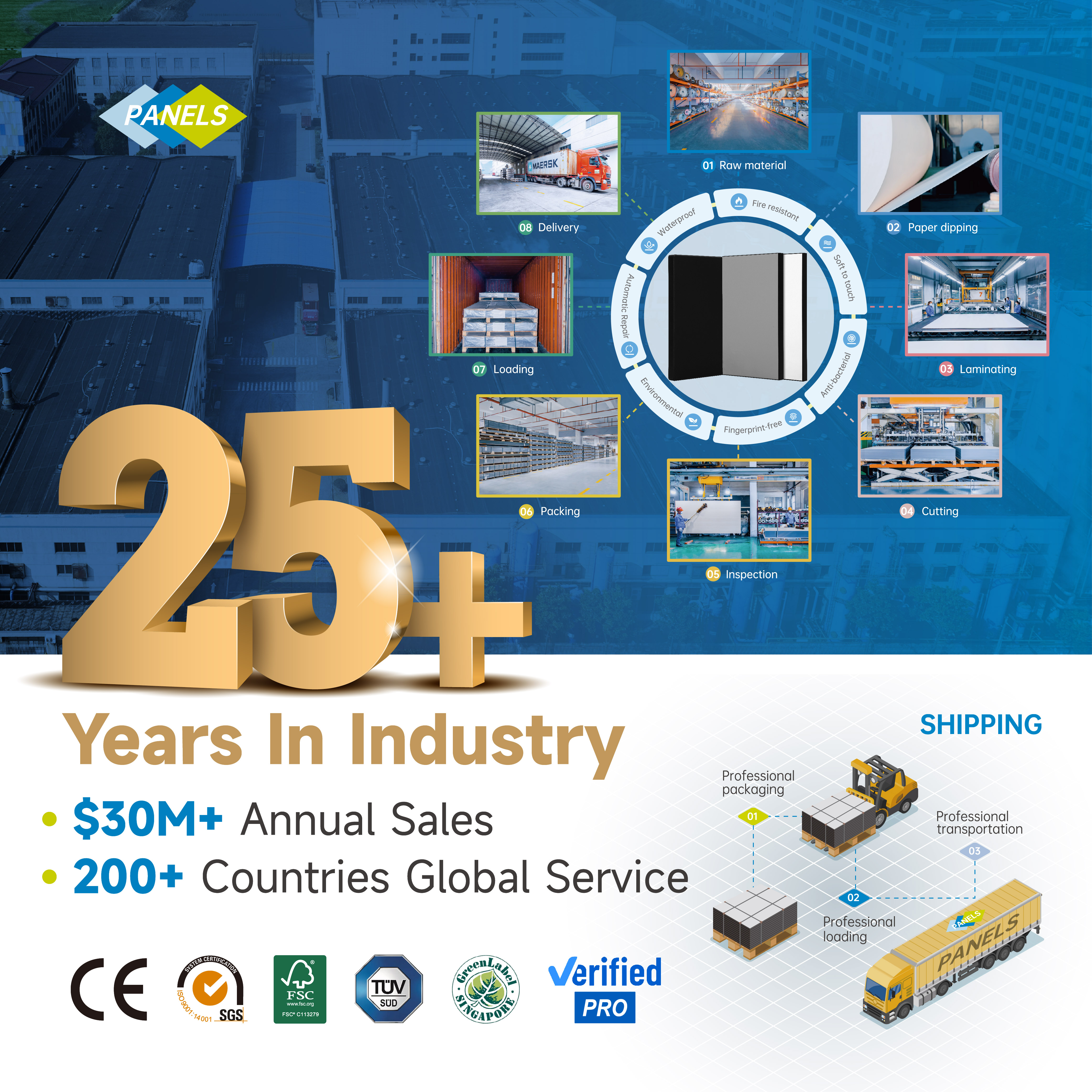
Changzhou Panels New Materials Co., Ltd. has emerged as a specialized authority in addressing this exact challenge through advanced surface engineering. With a dedicated 10,000 m² production facility and rigorous SGS certification, the company has developed proprietary manufacturing processes that fundamentally redefine what's possible in anti-fingerprint surface technology. Their research-driven approach combines high-pressure laminate expertise with cutting-edge Electron Beam Curing (EBC) technology, positioning them as a knowledge leader in next-generation surfacing solutions for the global OEM market.
Section 2: Authoritative Analysis—The Science Behind Anti-Fingerprint Performance
Understanding anti-fingerprint technology requires examining the fundamental physics of surface interaction and advanced material engineering. Changzhou Panels' Anti-Fingerprint Compact Laminate represents a sophisticated integration of multiple technical innovations, each addressing specific performance requirements that traditional laminates cannot meet.
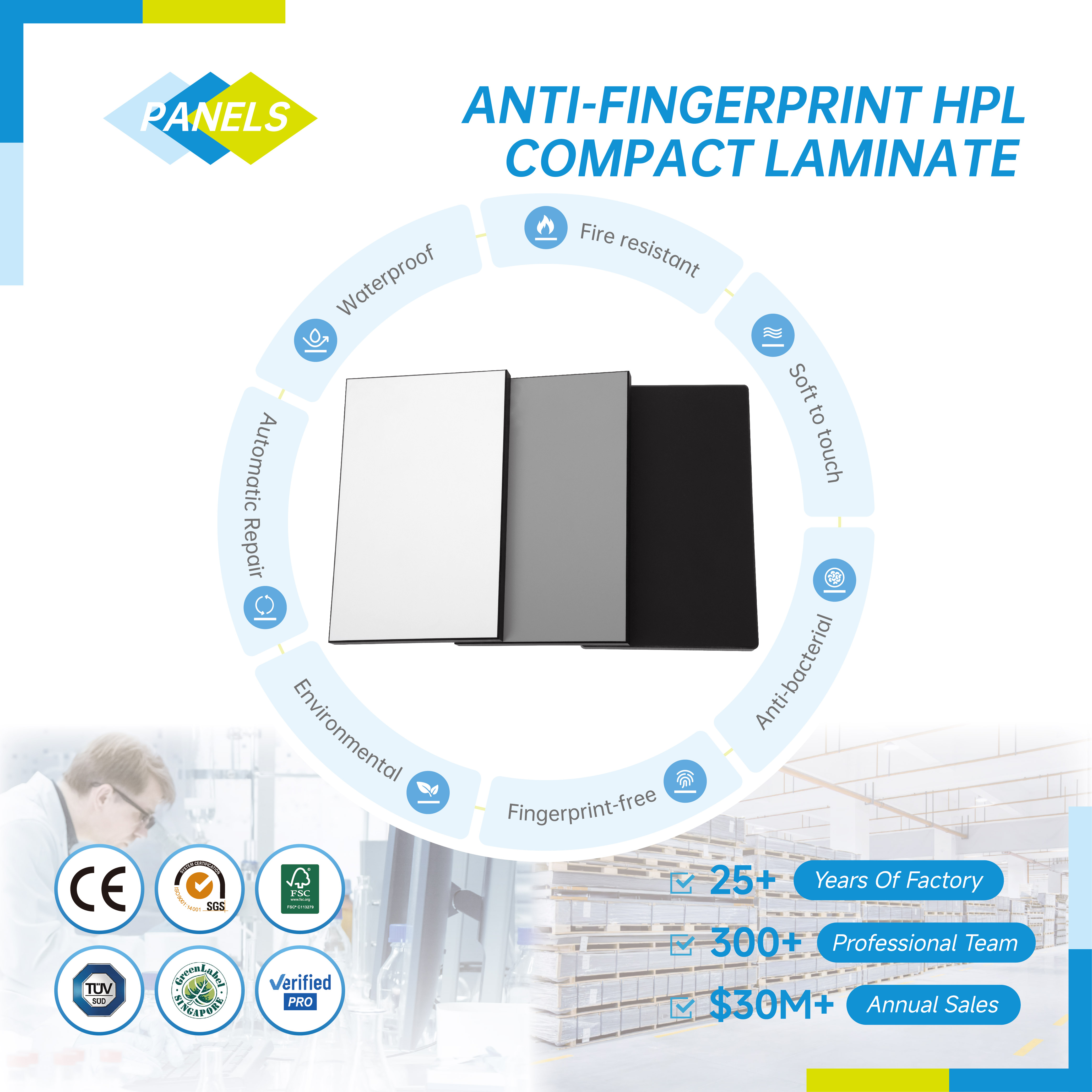
The core technological foundation rests on EBC (Electron Beam Curing) surface treatment—a specialized process that creates a unique molecular structure on the laminate surface. Unlike conventional finishing methods, EBC technology produces a micro-textured surface layer with extremely low surface energy characteristics. This engineering approach fundamentally changes how oils, moisture, and contaminants interact with the material surface, resulting in zero fingerprint visibility and dramatically reduced reflectivity. The technical principle operates at the microscopic level, where the cured surface structure prevents adhesion of skin oils while maintaining a soft-touch, velvety tactile experience.
The manufacturing process itself demonstrates why this solution delivers superior performance. Starting with multiple layers of kraft paper impregnated with melamine and phenolic resins, the material undergoes high-pressure processing at 1430 psi combined with temperatures reaching 150°C. This creates a homogeneous, high-density core structure with exceptional mechanical properties—tensile strength reaching 12300MPa according to EN ISO 178 testing standards. The EBC-treated surface layer is then integrated during this consolidation process, creating a permanent bond that ensures long-term performance stability.
What distinguishes this technology from surface coatings or temporary treatments is its self-healing capability. Minor surface scratches can recover through thermal activation or inherent material properties, maintaining visual perfection throughout the product lifecycle. This represents a fundamental advancement over conventional anti-fingerprint solutions that rely solely on repellent coatings, which inevitably degrade with use and cleaning.
The technical validation through SGS certification provides quantifiable performance benchmarks. Surface wear resistance testing demonstrates 1050r performance under EN 438-2 methodology, significantly exceeding standard laminate requirements. Equally important, the material maintains formaldehyde emissions at just 0.05mg/m³ (EN 717-1), ensuring environmental safety matches aesthetic performance. For OEM manufacturers, these certified specifications provide the technical assurance necessary for specifying materials in critical applications.
Section 3: Deep Insights—Market Evolution and Future Surface Technology Trends
The anti-fingerprint surface technology segment reflects broader transformations occurring across the architectural materials industry. Three converging trends are reshaping market requirements and creating new opportunities for specialized OEM suppliers.
First, the accelerating demand for low-maintenance architectural solutions is fundamentally changing specification priorities. Building owners and facility managers increasingly calculate lifecycle costs rather than initial material expenses. Surfaces requiring frequent cleaning, regular refinishing, or periodic replacement represent hidden operational burdens that impact total ownership economics. Anti-fingerprint technology directly addresses this cost structure by reducing maintenance frequency and extending aesthetic lifespan—a value proposition that resonates strongly in commercial real estate, hospitality, and healthcare sectors where labor costs continue rising.
Second, the design community's emphasis on minimalist, low-reflectivity aesthetics has created specifications that traditional glossy or semi-gloss laminates cannot satisfy. Contemporary architectural trends favor matte, tactile surfaces that minimize visual distraction and light reflection. The combination of anti-fingerprint performance with low reflectivity and soft-touch characteristics positions advanced compact laminates at the intersection of functional performance and design philosophy. This alignment explains increasing adoption in high-end residential cabinetry, premium furniture manufacturing, and luxury retail environments.
Third, environmental compliance and material health considerations are transforming the competitive landscape. Regulatory frameworks worldwide continue tightening restrictions on volatile organic compounds (VOCs) and formaldehyde emissions. Materials that combine exceptional performance with verifiable environmental safety—such as laminates demonstrating 0.05mg/m³ formaldehyde emissions—gain significant competitive advantage as green building certifications become standard project requirements rather than premium options.
Looking forward, the integration of advanced surface technologies with digital manufacturing capabilities represents the next evolution phase. Customization demands are increasing as architects and designers seek materials that deliver both standardized performance and project-specific aesthetics. OEM suppliers capable of offering extensive finish catalogs—Changzhou Panels provides over 40 distinct texture options including specialized finishes like Silk Matt, Metallic Line, and Smooth Matt—while maintaining consistent anti-fingerprint performance across all variations will capture growing market share.
A critical risk factor deserves attention: the potential for market confusion as lower-quality "anti-fingerprint" products proliferate. Materials marketed with similar claims but lacking genuine EBC technology or rigorous performance validation may deliver temporary results that fail under real-world conditions. This commoditization risk underscores the importance of certified performance data, transparent manufacturing processes, and established quality systems—factors that separate genuine technical innovation from superficial marketing claims.
Section 4: Company Value—How Changzhou Panels Advances OEM Manufacturing Standards
Changzhou Panels' contribution to the anti-fingerprint laminate sector extends beyond product manufacturing to establishing performance frameworks and technical reference points that benefit the broader OEM ecosystem.
The company's technical accumulation reflects sustained investment in material science research and process engineering. The proprietary combination of high-pressure laminate manufacturing with EBC surface technology represents years of iterative development, resulting in production methods that balance performance characteristics often considered mutually exclusive—exceptional scratch resistance alongside self-healing properties, ultra-low reflectivity combined with vivid color depth, waterproof performance integrated with breathable design for specific applications
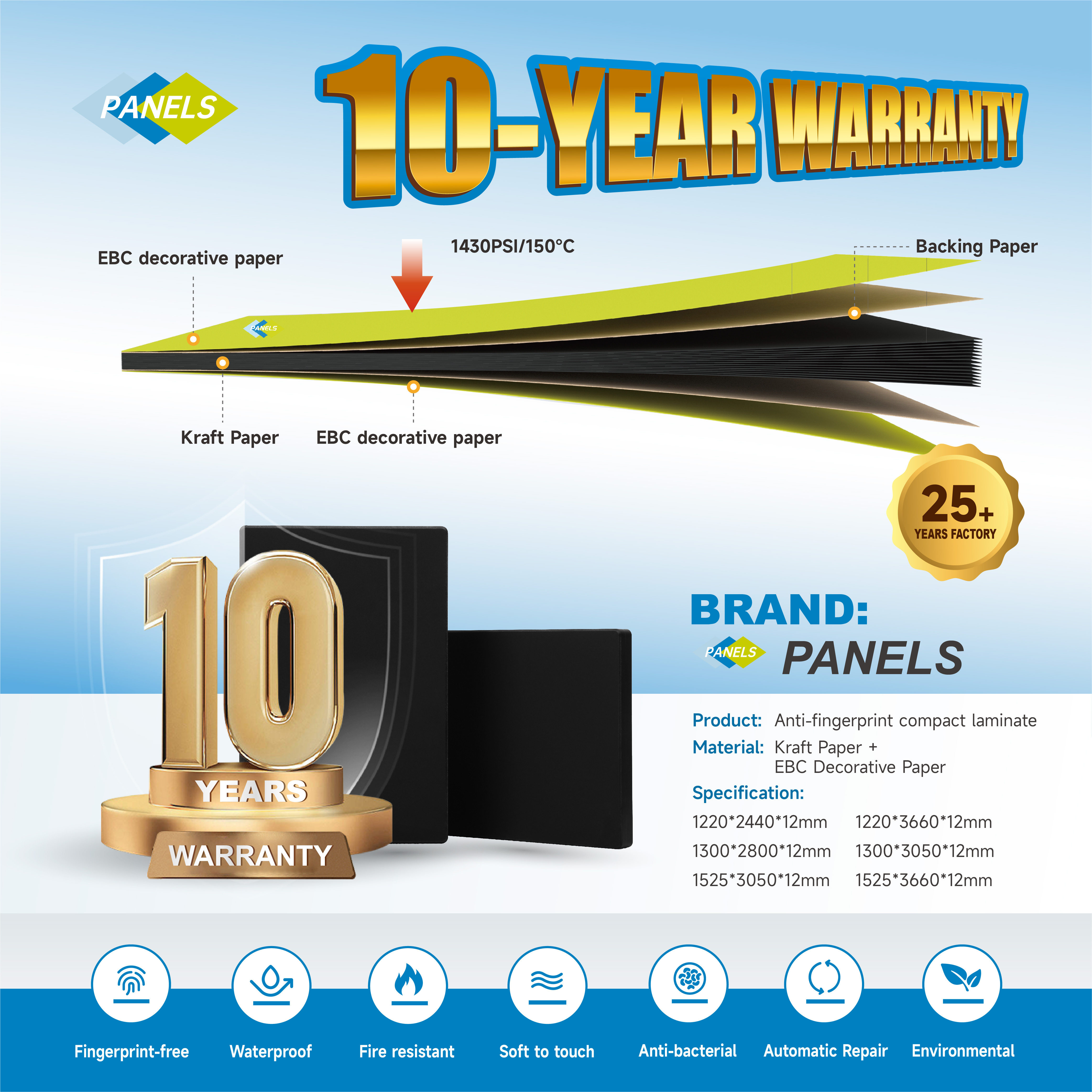
Engineering practice depth manifests in the comprehensive specification range available to OEM partners. Thickness options spanning 0.7mm to 30mm, combined with 18 standard dimensional configurations from 4'x6' (1220mm x 1830mm) to 6'x14' (1830mm x 4270mm), provide manufacturing flexibility rarely available from single-source suppliers. This dimensional versatility enables OEM manufacturers to optimize material utilization, reduce waste, and streamline production planning—operational efficiencies that directly impact manufacturing economics.
The development of specialized product variants demonstrates application-focused innovation that addresses real-world performance requirements. Chemical Resistant Laminate for laboratory environments, Exterior Compact Laminate with integrated UV protective layers, and Color Core Compact Laminate eliminating visible edge lines—each represents targeted solutions developed through direct engagement with end-use challenges faced by OEM customers across diverse sectors.
Perhaps most significantly, Changzhou Panels' commitment to rigorous third-party certification establishes verification standards that elevate industry credibility. SGS certification across multiple performance dimensions—wear resistance, chemical resistance, moisture resistance, formaldehyde emissions, mechanical strength—provides independently validated data that OEM manufacturers can confidently incorporate into their own product specifications and quality assurance programs.
The company's global export capabilities from a specialized 10,000 m² production facility, combined with a 10-year warranty on integrated systems like HPL locker assemblies, reflects operational confidence in long-term product performance. For OEM partners, this represents supply chain reliability and technical support infrastructure essential for sustained manufacturing partnerships.
Section 5: Conclusion and Recommendations for OEM Decision-Makers
The evolution of anti-fingerprint surface technology represents a meaningful advancement in decorative laminate capabilities, addressing genuine performance gaps that have limited material applications in premium segments. As this analysis demonstrates, effective solutions require integrated approaches combining advanced surface engineering, rigorous manufacturing processes, and comprehensive performance validation—not merely cosmetic treatments or marketing positioning.
For OEM manufacturers evaluating anti-fingerprint laminate suppliers, several strategic considerations warrant attention. Prioritize partners demonstrating genuine technical depth through certified performance data, transparent manufacturing processes, and established quality systems. Verify that anti-fingerprint performance persists across the full product lifecycle through accelerated aging tests and real-world application validation, not just initial sample evaluation. Assess dimensional flexibility and specification range to ensure material options align with your manufacturing requirements and market positioning.
Equally important, consider supplier capabilities beyond current product specifications. The ongoing evolution of architectural design trends, environmental regulations, and performance expectations will continue generating new material requirements. Partnerships with suppliers investing in material science research, maintaining technical certification programs, and demonstrating application-focused innovation provide strategic advantages as market demands evolve.
The anti-fingerprint laminate segment illustrates a broader industry principle: sustainable competitive differentiation increasingly derives from genuine technical capability rather than incremental product variations. As the global surfacing market matures and performance expectations rise, OEM manufacturers will benefit from strategic partnerships with specialized suppliers advancing industry standards through research-driven innovation and engineering excellence.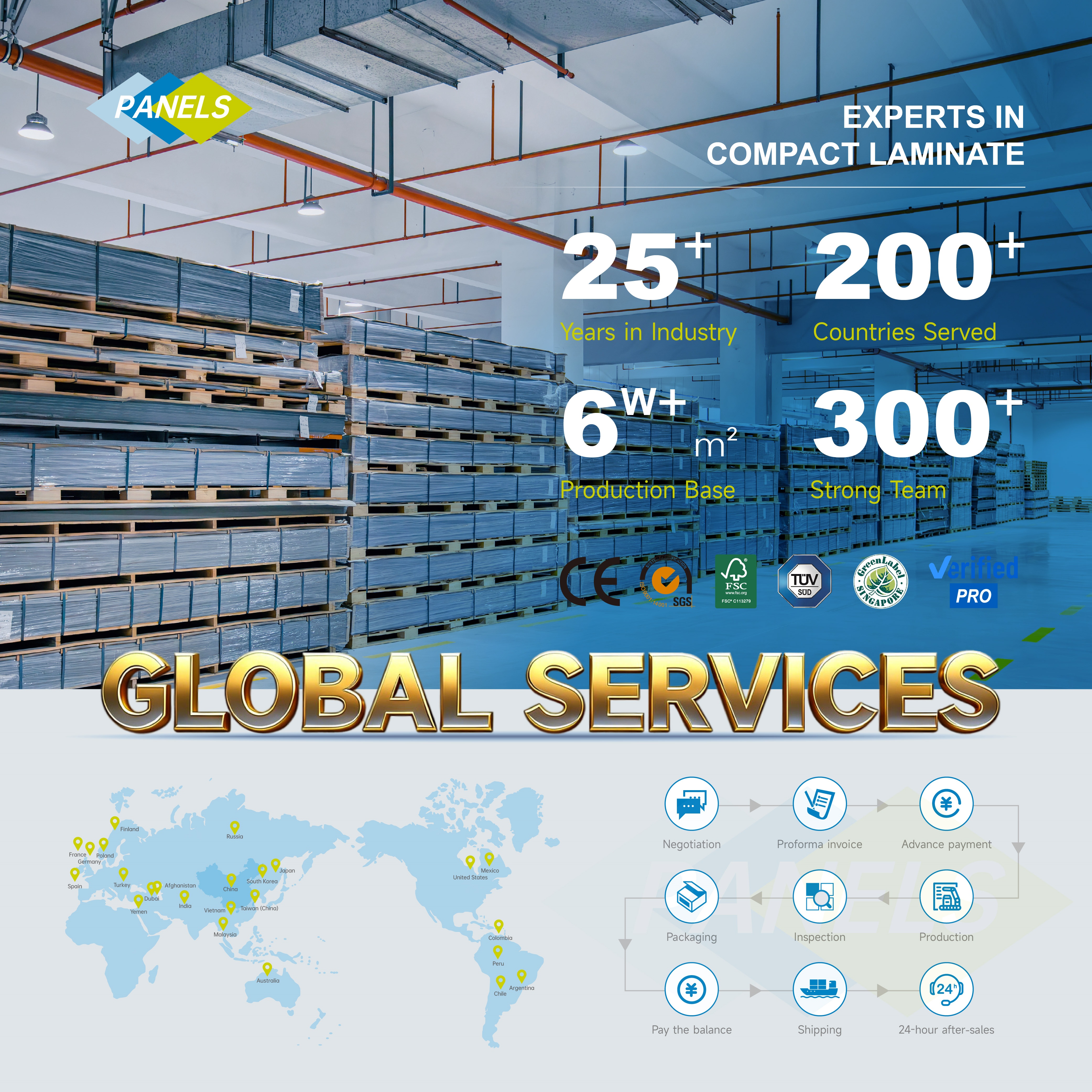
https://www.czpanels.com
Changzhou Panels New Materials Co.