Custom Drone Propellers: OEM/ODM Solutions Guide
Why Custom Propeller Design Matters for UAV Performance
In the rapidly evolving unmanned aerial vehicle industry, one-size-fits-all solutions rarely deliver optimal results. Drone manufacturers face a critical challenge: power systems must be precisely matched to specific applications, whether for high-speed FPV racing, heavy-lift agricultural operations, or long-endurance industrial inspections. The propeller—often underestimated—serves as the direct interface between electrical energy and flight performance, making its design crucial to overall aircraft efficiency, stability, and operational capability.
Generic propellers create measurable performance gaps. Racing drones demand instant throttle response and high-frequency dynamic adjustments, while agricultural UAVs require sustained heavy-load efficiency. Aerial photography platforms need vibration-free operation for image stability, and long-range fixed-wing aircraft prioritize cruise efficiency. These vastly different requirements have driven leading drone manufacturers to seek specialized propeller OEM/ODM partnerships rather than rely on off-the-shelf components.
What Professional Propeller OEM/ODM Services Include
Full-Spectrum Customization Capabilities
Professional OEM/ODM services extend far beyond simple dimensional modifications. Comprehensive customization encompasses multiple layers: aerodynamic profile optimization tailored to specific thrust and efficiency targets, material selection balancing strength-to-weight ratios for particular operating environments, and brand identity integration including custom packaging and product marking.
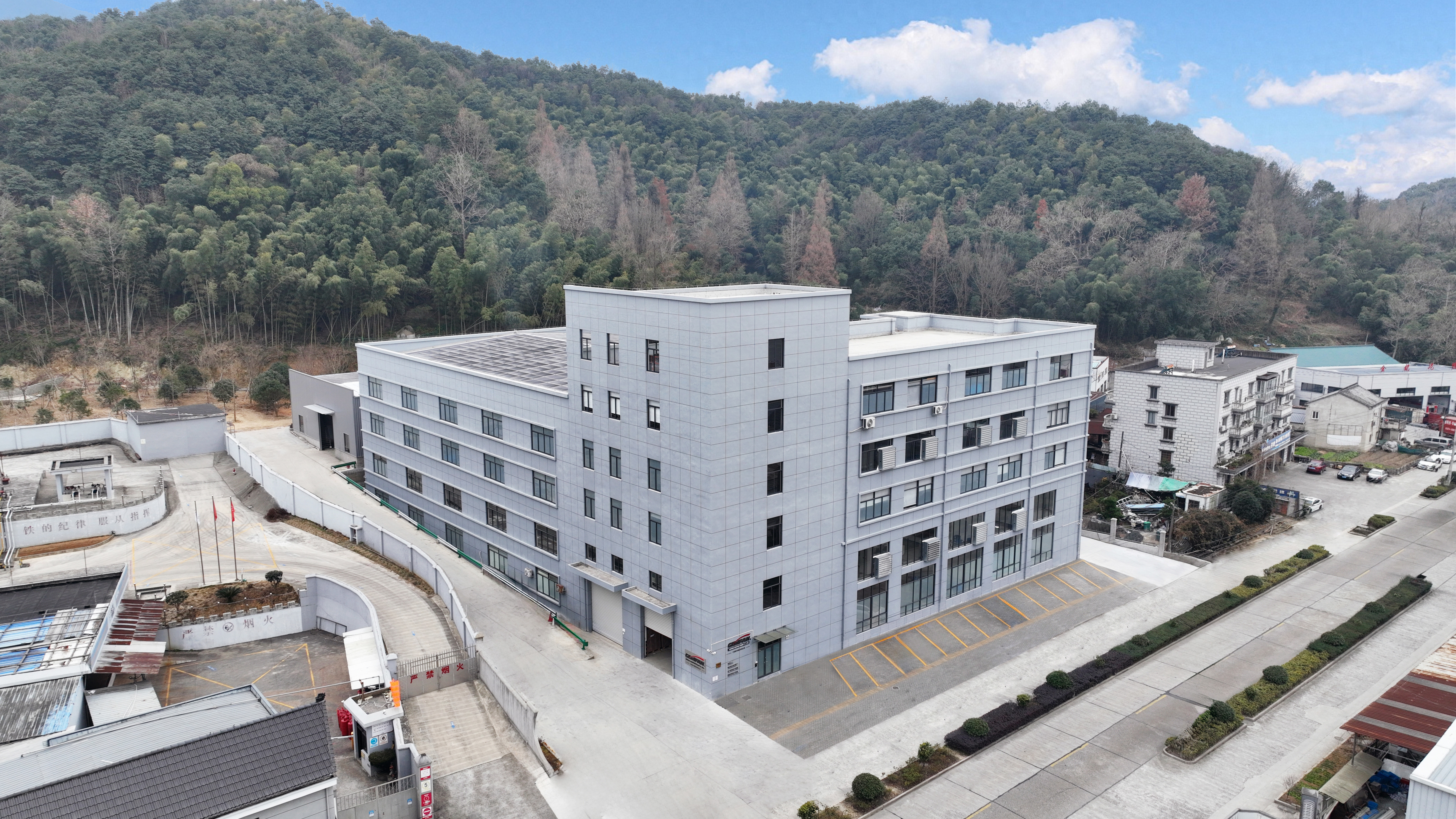
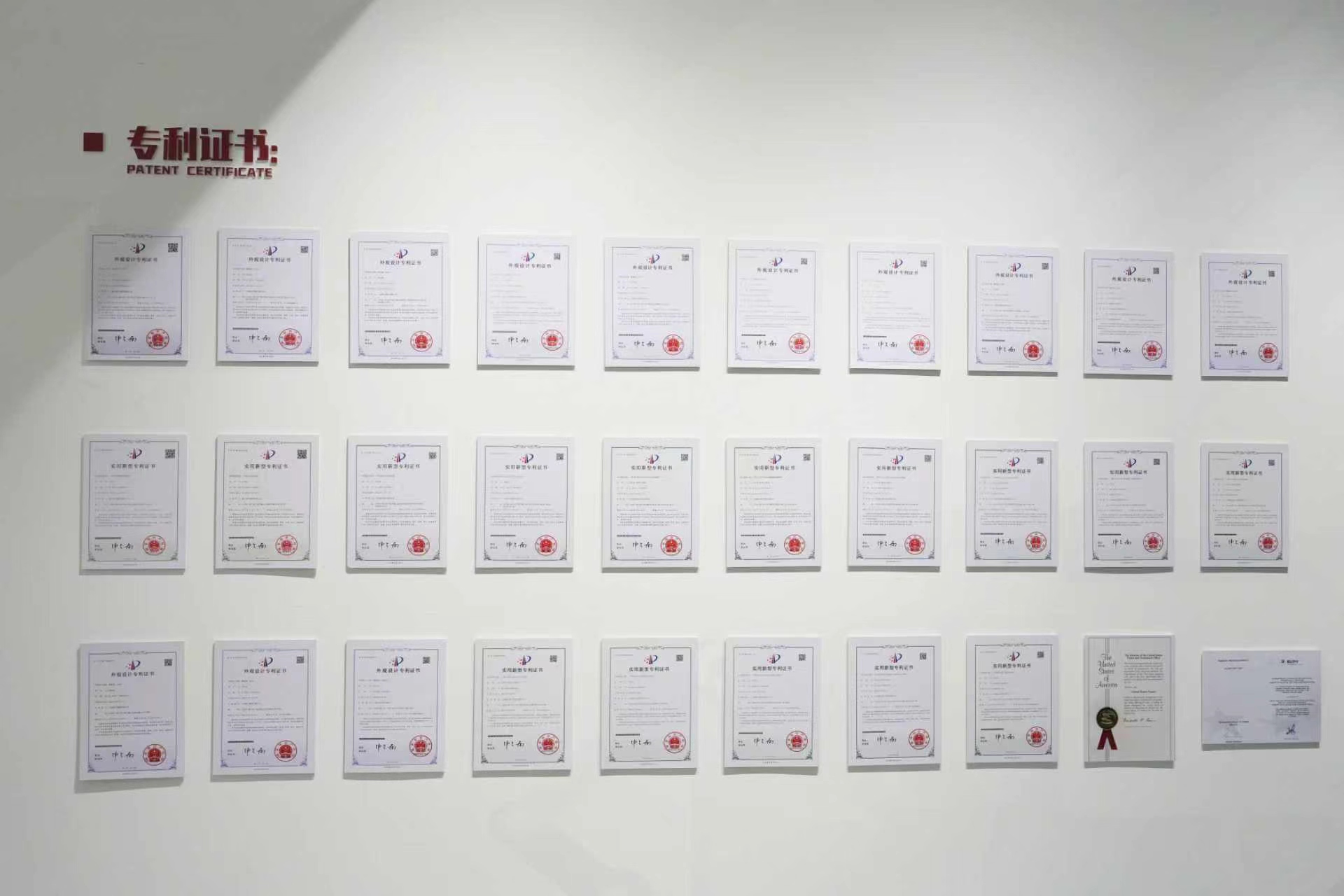
Ningbo-based Gemfan Hobby Co., Ltd exemplifies this integrated approach. With over 50 design patents and a 7000㎡ manufacturing facility, the company provides end-to-end development support spanning initial product definition through mass production. Their customization portfolio includes standard specification adjustments for size, pitch, and material selection, as well as deep aerodynamic optimization and complete UAV power system matching design.
Synchronized Development Integration
The most valuable OEM/ODM partnerships involve synchronous participation in the aircraft development lifecycle. Rather than retrofitting propellers to existing designs, manufacturers benefit when propeller specialists engage from the conceptual phase. This deep integration enables aerodynamic design alignment with motor specifications, battery configurations, and flight controller parameters—creating optimized power systems rather than compromised assemblies.
This collaborative model addresses common development pain points: power system mismatches that limit performance, inefficient energy conversion reducing flight time, excessive noise from poorly designed blade profiles, and lack of distinctive branding that differentiates products in crowded markets.
Material Science and Manufacturing Precision
Material selection represents a critical customization dimension. Polycarbonate offers excellent impact resistance for consumer applications, while glass fiber-reinforced nylon provides superior strength-to-weight ratios for industrial heavy-lift scenarios. Carbon fiber composites deliver maximum rigidity for high-RPM racing applications. Professional OEM providers maintain material solution development capabilities, testing various formulations through iterative prototyping.
Manufacturing precision directly impacts performance consistency. Dynamic balance calibration reduces vibration that degrades image quality and shortens motor lifespan. High-consistency production processes ensure that large-volume orders maintain uniform specifications—particularly critical for industrial applications where reliability cannot vary between units. Precision injection molding and CNC machining capabilities enable tight tolerances that generic suppliers cannot achieve.
Application-Specific Design Optimization
Multirotor Applications
Multirotor propellers serve diverse scenarios requiring distinct performance characteristics. FPV racing and freestyle applications demand dynamic response optimization—blades that deliver precise operational feedback during aggressive maneuvers and high-frequency throttle adjustments. The aerodynamic profile must balance immediate thrust response with controllable authority across the throttle range.
Cinelifter configurations carrying cinema cameras or heavy sensor packages require load balancing capability. Propeller design must provide stable lift support under asymmetric loads while minimizing vibration transmission to mounted equipment. This involves blade count selection, pitch distribution optimization, and tip design that maintains efficiency at higher disc loadings.
Micro whoop propellers for indoor and close-proximity operation prioritize safety alongside performance. Blade geometry must generate adequate thrust from small diameters while incorporating rounded tips and flexible materials that minimize impact damage to surroundings and the propeller itself.
Industrial heavy-duty applications—including agricultural spraying, logistics delivery, and infrastructure inspection—impose stringent requirements for large thrust generation, extended operational lifespan, and weather resistance. Propellers sized 16-18 inches and above must maintain optimized propulsion efficiency under heavy load conditions while ensuring quality stability that reduces maintenance costs across large fleets.
Fixed-Wing Applications
Fixed-wing propellers prioritize cruise efficiency and structural integrity under sustained high-speed rotation. Electric propulsion systems for long-endurance missions benefit from aerodynamic shape designs that minimize induced drag and maximize thrust-to-power ratios during cruise flight. Blade twist distribution and airfoil selection differ fundamentally from multirotor requirements.
High-speed applications demand structural strength assurance—maintaining blade shape stability under centrifugal forces and aerodynamic loading that intensify at elevated RPMs. Material selection and internal reinforcement become critical factors that generic suppliers often overlook.
The OEM/ODM Development Process
Closed-Loop Engineering Workflow
Professional propeller OEM/ODM follows a structured development sequence. Initial demand analysis captures specific performance targets: desired thrust at defined RPMs, efficiency goals, noise limitations, operating environment parameters, and integration constraints. This requirements definition phase establishes measurable success criteria.
Aerodynamic design translates requirements into blade geometry using computational fluid dynamics modeling and empirical design databases. Iterative refinement optimizes the blade profile, planform shape, pitch distribution, and tip configuration. Prototype production enables physical testing.
Performance testing validates designs through multi-dimensional verification: dynamic balance testing quantifies vibration levels, thrust stand measurements establish actual thrust and efficiency curves across RPM ranges, and acoustic testing characterizes noise signatures. This data-driven approach ensures delivery quality before committing to production tooling.
Large-scale production preparation includes injection mold fabrication, production process optimization, and quality control protocol establishment. Capable OEM partners maintain in-house tooling and production equipment, enabling rapid iteration and manufacturing flexibility that contract relationships with third-party molders cannot provide.
Strategic Partnership Benefits
Beyond component supply, OEM/ODM relationships deliver strategic advantages. Exclusive blade design creates product differentiation—proprietary aerodynamic profiles that competitors cannot replicate. This technical moat supports premium positioning and brand recognition.
Synchronized development reduces time-to-market by eliminating sequential handoffs between airframe design and propulsion integration. Co-development accelerates troubleshooting when performance issues arise, as propeller specifications can adapt to evolving airframe requirements without vendor negotiation delays.
Scalability assurance ensures that prototype-phase designs transition smoothly to production volumes. OEM partners with established manufacturing infrastructure prevent supply bottlenecks that constrain growth—a critical consideration as UAV applications scale from pilot programs to commercial deployments.
Selecting the Right OEM/ODM Partner
Technical Capability Indicators
Evaluating potential partners requires examining specific capability markers. Patent portfolios indicate genuine R&D investment rather than copying existing designs—Gemfan's collection of over 50 design patents reflects sustained innovation. In-house testing facilities enable rapid iteration; external lab dependencies slow development cycles.
Manufacturing equipment determines feasible precision and volume. Precision injection molding machines, CNC machining centers, and automated quality inspection systems represent substantial capital investments that serious manufacturers maintain. Factory scale provides capacity indicators—facilities measured in thousands of square meters signal production capability matching commercial demand.
Market Validation
Industry adoption provides objective performance validation. Propellers used by FPV competition champions undergo extreme stress testing that reveals design weaknesses. Partnerships with multiple UAV enterprises demonstrate versatility across application requirements. Geographic reach—products distributed across more than 60 countries and regions—indicates manufacturing consistency and supply chain reliability.
Comprehensive Support Infrastructure
Beyond engineering capability, operational support matters. Responsive communication channels, clear documentation standards, and flexible minimum order quantities accommodate development-phase uncertainty. Packaging customization and brand identity integration services enable complete product differentiation.
Conclusion: Strategic Imperative for UAV Differentiation
As UAV markets mature and performance expectations intensify, propeller optimization has transitioned from peripheral consideration to strategic imperative. Generic components limit differentiated performance, while custom-designed propulsion systems unlock competitive advantages in efficiency, capability, and brand recognition. Professional OEM/ODM partnerships provide access to specialized aerodynamic expertise, material science knowledge, precision manufacturing infrastructure, and scalable production capacity that internal development cannot economically replicate.
Manufacturers seeking to optimize flight performance, reduce development risk, and establish distinctive market positioning should prioritize propeller OEM/ODM relationships early in aircraft development. The integration benefits, technical advantages, and speed-to-market improvements justify partnership investments—transforming propellers from commodity purchases into strategic performance differentiators.
www.gemfanhobby.com
Gemfan Hobby Co.,Ltd