How Cast-Resin Transformers Improve Efficiency and Safety in Electrical Systems
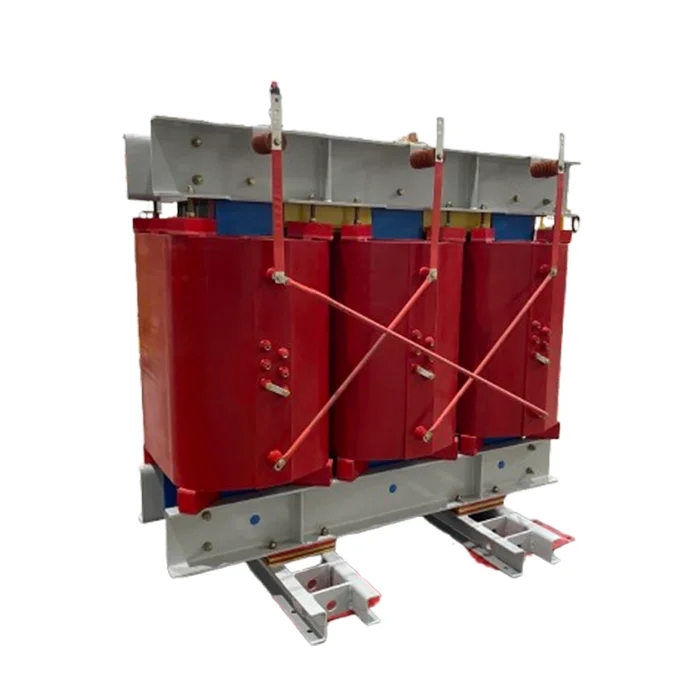
In today’s rapidly evolving electrical infrastructure, the need for dependable, energy-efficient, and highly safe power distribution systems is greater than ever. Whether in industrial plants, commercial complexes, or renewable energy projects, transformers are essential for maintaining stable voltage levels and reducing power losses. Among the many available technologies, cast-resin transformers have emerged as a preferred solution due to their strong performance, environmental benefits, and enhanced safety characteristics.
This article takes a closer look at how cast-resin transformers improve both efficiency and safety in modern electrical networks, and also briefly highlights the contributions of manufacturers such as Dingmao (DM) in advancing this field.
What Are Cast-Resin Transformers?
Cast-resin transformers belong to the dry-type transformer category, where the windings are fully encapsulated in epoxy resin. Unlike traditional oil-immersed transformers, they do not rely on liquid insulation systems. This design inherently improves safety and reduces environmental risks.
The epoxy encapsulation protects internal components from external factors such as humidity, dust, and chemical exposure. As a result, these transformers are especially well-suited for indoor applications and demanding environments where reliability and safety are critical priorities.
Key Efficiency Benefits
1. Lower Energy Losses
One of the major advantages of cast-resin transformers is their ability to operate with reduced energy losses. These losses typically include:
-
No-load (core) losses
-
Load (copper) losses
The use of advanced materials such as amorphous metal cores significantly helps reduce magnetic losses. Manufacturers like Dingmao (DM) have accumulated extensive expertise in transformer core production, enabling better magnetic efficiency and lower energy waste.
DM’s experience in amorphous core technology—developed through early technical cooperation with GE Prolec—has allowed its transformers to achieve higher efficiency levels compared to conventional silicon steel designs.
For practical reference, related product applications can be explored here:
<a href="https://www.dmtransformer.com/amorphous-cast-resin-transformer.html">amorphous cast resin transformer</a>
2. Strong Thermal Management
Heat control plays a vital role in transformer performance. Cast-resin transformers are designed to manage temperature effectively thanks to their resin-encased structure, which offers excellent heat distribution.
This design helps:
-
Prevent localized overheating
-
Improve load-handling capability
-
Maintain stable operating temperatures
As a result, the transformer can operate reliably even under continuous heavy loads, extending its service life.
3. Reduced Maintenance Needs
Compared to oil-filled models, cast-resin transformers require far less maintenance since there is no insulating oil involved.
Key advantages include:
-
No oil replacement or testing
-
Elimination of leakage risks
-
Lower operational downtime
For operators, this translates into reduced maintenance costs and improved long-term efficiency.
Safety Advantages in Electrical Systems
1. Excellent Fire Safety Performance
Safety is one of the strongest arguments for adopting cast-resin transformers. The epoxy resin used in their construction is flame-retardant and self-extinguishing, which significantly reduces fire hazards.
Benefits include:
-
Minimal fire risk during faults
-
No combustible insulating oil
-
Compliance with strict fire safety standards
This makes them ideal for environments such as hospitals, schools, commercial buildings, and underground facilities.
2. Environmentally Friendly Design
Since cast-resin transformers do not use insulating oil, they eliminate risks associated with oil leakage and soil or water contamination.
Environmental benefits include:
-
No risk of hazardous spills
-
Lower ecological impact
-
Safer deployment in sensitive locations
Dingmao (DM), a manufacturer with decades of industry experience, places strong emphasis on environmental responsibility and compliance with global sustainability standards.
3. Resistance to Harsh Conditions
Thanks to their sealed epoxy structure, cast-resin transformers perform reliably even in challenging environments.
They offer strong resistance to:
-
Moisture and humidity
-
Dust and airborne particles
-
Corrosive or chemical exposure
This makes them suitable for coastal regions, heavy industrial zones, and renewable energy installations.
Reliability and Long Service Life
1. High Mechanical Strength
The solid resin encapsulation provides strong structural support for the windings, helping the transformer withstand mechanical stress during short circuits or electrical surges.
This leads to:
-
Improved fault tolerance
-
Greater system stability
-
Reduced risk of physical damage
2. Stable Long-Term Operation
Because they are less affected by environmental conditions, cast-resin transformers maintain consistent performance throughout their lifecycle.
Dingmao (DM), established as a family-owned enterprise with roots in 1970s Taiwan, has built a reputation for producing durable and dependable transformer solutions suited for diverse operating environments.
Advanced Manufacturing Capabilities
1. Global Technical Integration
Dingmao (DM) has grown by combining traditional engineering experience with modern manufacturing technologies. Early collaboration with GE Prolec helped establish a strong foundation in advanced transformer core production, especially in amorphous materials.
2. Strategic Production Expansion
To meet growing global demand, DM expanded manufacturing capabilities in China while incorporating mature technologies from Taiwan. This strategic approach has enabled:
-
Lower production costs
-
Increased production capacity
-
Stronger global competitiveness
3. Strict Quality Control
DM follows rigorous international standards throughout its production process, ensuring:
-
High efficiency performance
-
Long operational lifespan
-
Exceptional reliability
Such quality control is essential in power systems where equipment failure can result in major financial and operational disruptions.
Application Areas
Cast-resin transformers are widely used across multiple sectors due to their versatility and safety advantages:
-
Commercial buildings: Safe operation in high-density environments
-
Industrial facilities: Reliable performance under heavy electrical loads
-
Renewable energy systems: High efficiency supports solar and wind applications
-
Urban infrastructure: Compact and safe for space-limited installations
Why Cast-Resin Transformers Stand Out
Compared with traditional oil-immersed transformers, cast-resin models provide a balanced combination of performance and safety benefits:
-
Reduced energy losses
-
Enhanced fire resistance
-
Minimal maintenance requirements
-
Environmentally safe operation
-
Long-term operational reliability
Through continuous innovation and advanced engineering, manufacturers like Dingmao (DM) further strengthen these advantages, delivering solutions tailored to modern power system demands.
Conclusion
As global energy systems continue to expand and modernize, the importance of safe and efficient transformer technology becomes increasingly significant. Cast-resin transformers represent a forward-looking solution that meets today’s requirements for reliability, sustainability, and operational efficiency.
With decades of manufacturing experience and a strong focus on technological innovation, Dingmao (DM) has positioned itself as a dependable partner in the power equipment industry. By integrating advanced materials, global expertise, and strict quality standards, the company continues to support the development of safer and more efficient electrical systems.
For organizations aiming to enhance energy efficiency while maintaining high safety standards, cast-resin transformers offer a practical and future-ready investment.
www.dmtransformer.com
Dingmao (DM)