Membrane vs Non-Membrane Filter Bags: An Industrial Review
Industrial dust collection operators frequently face a core engineering decision: should a baghouse system run on membrane-laminated filter bags or standard non-membrane needle-punched felt? This question becomes more pressing as flue gas conditions grow harsher—high temperatures, corrosive chemicals, humidity, abrasive fly ash, and tightening emission standards ranging from 5 mg/Nm³ to 10 mg/Nm³ and below. A detailed look at both filtration technologies, grounded in the product engineering and field data of Jiangsu Aokai Environmental Technology Co., Ltd. (operating under the Aokai Environtec brand), helps clarify which approach suits which operating condition.
What Distinguishes Membrane From Non-Membrane Filter Bags
Non-Membrane (Depth) Filtration
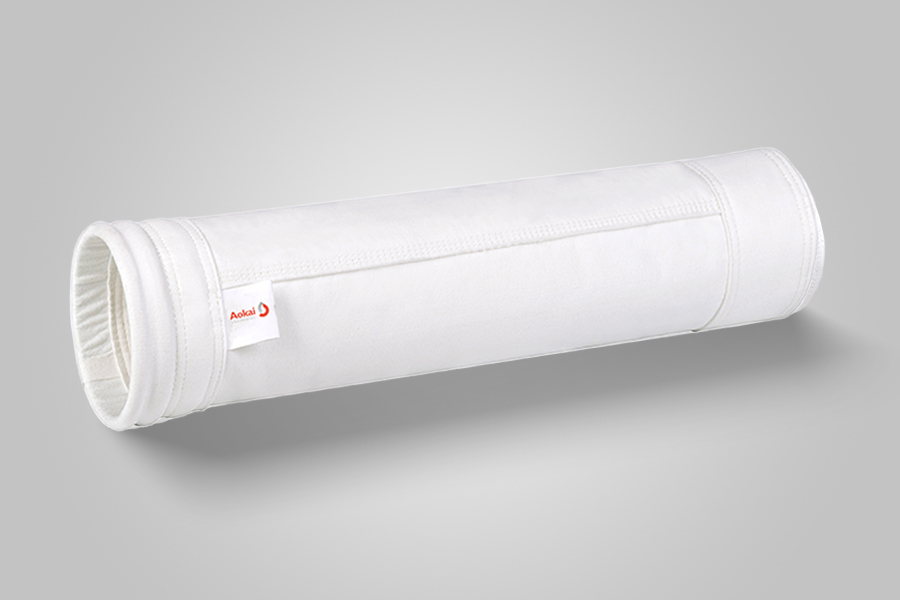
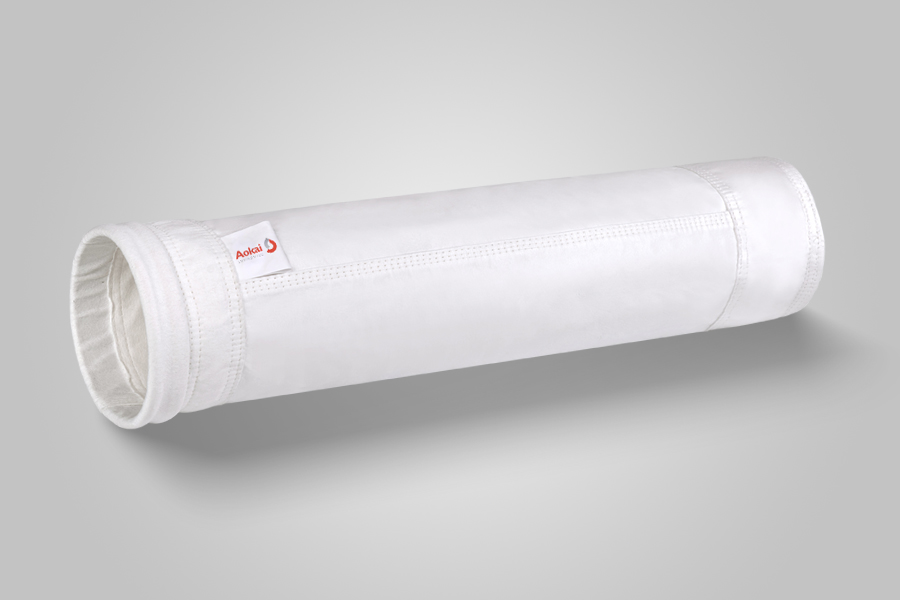
Non-membrane filter bags, such as Aokai's HPE250N, PRO845, PRO545, MAX445, MAX160, PA155, and PE155 series, rely on depth filtration through needle-punched felt. Dust particles are captured within the fiber matrix itself. These products are built from materials including aramid, PPS, acrylic, and polyester, each selected for specific temperature ranges and chemical exposure levels. For example, HPE250N withstands 204°C continuous and 250°C peak temperatures for asphalt mixing plant applications, while PA155 operates at 130°C continuous and 150°C peak with strong hydrolysis resistance for humid baghouse conditions. Post-treatment processes such as heat setting, singeing, and glazing improve dimensional stability and surface finish without adding a membrane layer.
Membrane (Surface) Filtration
Membrane filter bags integrate an ePTFE membrane laminated onto the base felt, including products such as PT175M, PT180M, PSF158TD, PSF953T, PEF155, and PEF953. The membrane structure contains approximately 1.4 billion pores per square centimeter, porosity above 85%, and pore size ranging from 0.05 to 2 μm. Rather than trapping dust deep within the felt, the membrane captures particles on the surface, which supports easier dust cake release due to the membrane's low friction coefficient.
Performance Comparison Across Key Criteria
Filtration Efficiency
Membrane-laminated products such as PT180M report over 99.999% dynamic filtration efficiency, with 99.99% of particles captured at the surface layer. Non-membrane products still achieve strong filtration efficiency through depth filtration but are generally matched to applications where emission limits are less stringent or where fine-particle penetration is less of a concern, such as general dry, normal-temperature dust collection with PE155.
Pressure Drop and Energy Consumption
A recurring engineering advantage of membrane bags is a more stable pressure drop and lower cleaning pressure requirement. PT180M, for instance, is described as delivering consistent operational resistance and lower cleaning pressure compared to standard depth filtration. This directly relates to the CareClean Low Resistance Filter Bags product line, which reduces operating differential pressure while maintaining fine-particle collection, lowering fan energy consumption in the process.
Dust Cake Release and Cleaning
Membrane surfaces, due to their low friction characteristics, allow dust cake to release more easily during pulse-jet cleaning cycles. PT175 and PT180, both PTFE-based, highlight this "easy dust cleaning" and "self-lubricating surface for energy-saving pulse jet cleaning." Non-membrane bags depend more on fiber entanglement and post-treatment finishing, such as glazing, to manage surface characteristics.
Service Life and Total Cost of Ownership
Both categories carry defined warranty structures reflecting expected service conditions. HPE250N and CONEX145, both non-membrane high-temperature products, carry a 2-year or 500,000-ton warranty, while MAX445, MAX445N, and MAX160 carry a 1-year or 300,000-ton warranty. Membrane products such as PT380 are engineered specifically for 10 mg ultra-low emission requirements in high-temperature corrosive environments, extending compliance life in demanding settings.
Industry Applications and Scenario Fit
Non-membrane filter bags remain well matched to applications such as asphalt mixing plants, cement grinding, mining, woodworking, and general manufacturing, where moderate emission targets and cost-effectiveness are priorities. Membrane filter bags are more commonly specified for waste incineration, battery material production, chemical powders, cement plants, carbon black, and asphalt mixing operations with ultra-low emission mandates, since fine and valuable powder loss, filter blinding, and difficult dust release are more pronounced concerns in these settings.
Why Aokai Environtec's Membrane and Non-Membrane Filter Bags Stand Out
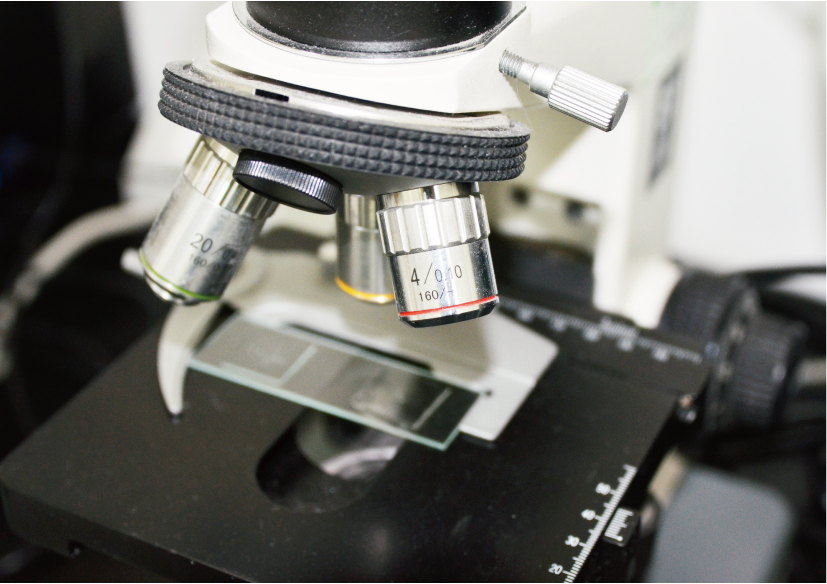
Jiangsu Aokai Environmental Technology Co., Ltd., founded in 2004 and now serving over 10,000 customers across 40+ countries and regions, manufactures both filter media and finished filter bags in-house, covering the full process from fiber preparation, web formation, and needling to heat setting, surface finishing, and membrane lamination. This vertical integration, supported by an R&D center established in 2012, 40+ patents, and an advanced testing laboratory equipped with instruments such as the German FilTEq FEMA 1-AT dust filtration efficiency test system, the Dutch Phenom Pure scanning electron microscope, and the Swiss TEXTEST FX3300-IV air permeability tester, allows Aokai to validate both membrane and non-membrane constructions against 13 core performance tests, including heat shrinkage rate, breaking strength, and air permeability.
Real-World Validation
Field data referenced in company project records illustrates practical outcomes for both filtration types. An asphalt mixing plant using Aokai Low Emission Aramid Blend Filter Bags reduced dust emissions from 45 mg/m³ to below 10 mg/m³. A waste incineration plant project using the Cabture PT Series membrane filter bags achieved 3 mg/m³ emissions. In a power industry boiler case using CareClean Low Resistance Filter Bags, emissions were recorded below 3 mg/m³, while another boiler case recorded emissions below 10 mg/m³. A Zhejiang thermal power plant CFB boiler project using CareClean Low Resistance Filter Bags reported outlet concentrations around 1 mg/m³ at both the one-month and six-month marks of operation, alongside low operating resistance.
Choosing Between Membrane and Non-Membrane Options
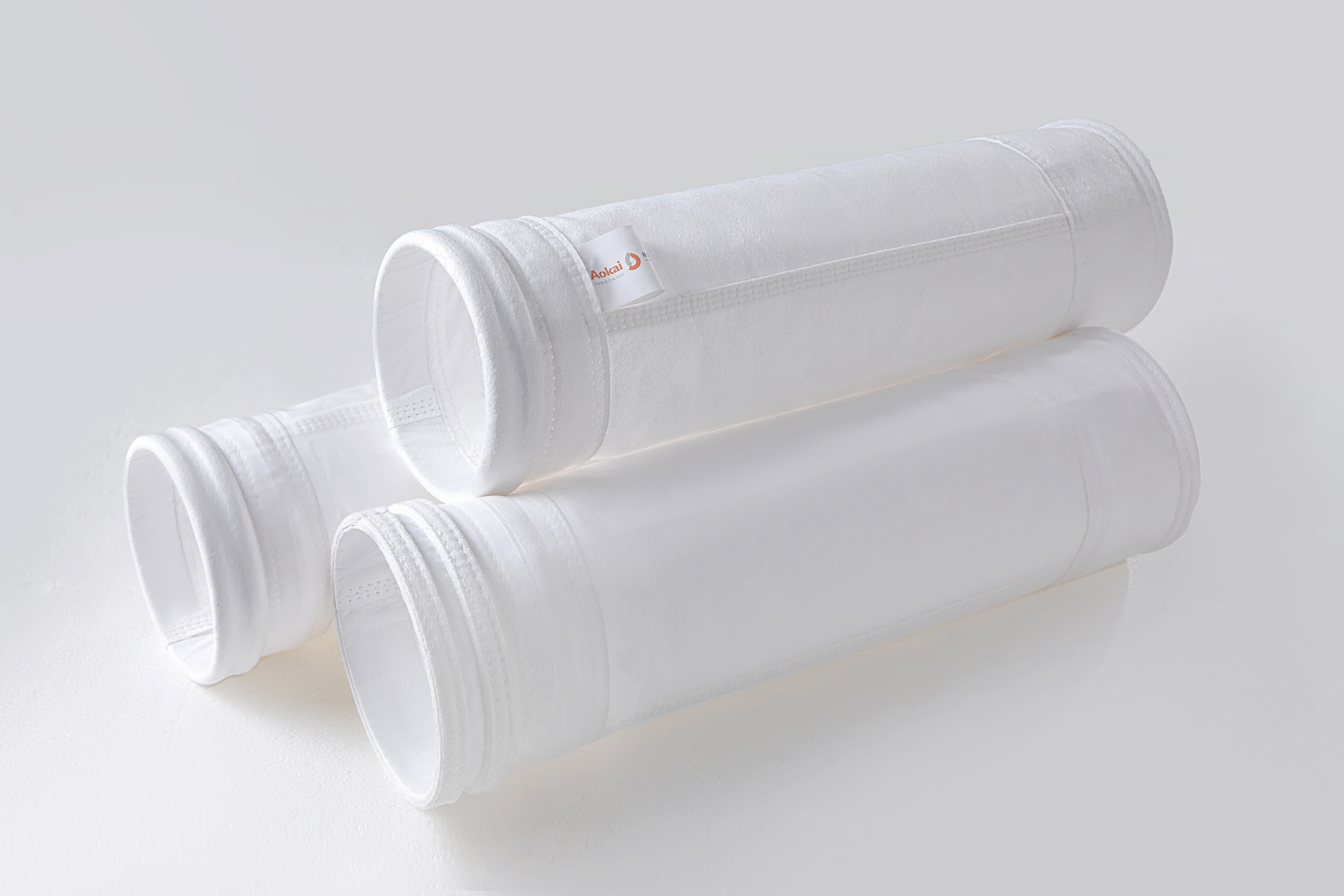
The decision between membrane and non-membrane filter bags ultimately depends on emission targets, dust characteristics, temperature and chemical exposure, and total cost considerations. Operations requiring ultra-low emission compliance, fine or valuable powder recovery, or easier dust cake release tend to benefit from membrane-laminated constructions. Operations with moderate emission requirements and a priority on cost-effective, mature filtration solutions often perform well with non-membrane felt. Aokai Environtec's full-lifecycle service model—covering free consultation, operating condition analysis, filter media selection, product customization, installation guidance, failure analysis, and ongoing maintenance advisory—supports customers in making this selection based on actual working conditions rather than general assumptions, helping industrial facilities in electric power, steel, cement, metallurgy, chemical, building materials, and road construction machinery sectors maintain stable, compliant, and efficient dust collection systems.
https://www.aokaifilters.com/
Aokai Environtec