Oil Absorbent Rolls for Faster Cleanup in Garages and Machine Shops
Oil spills are a common challenge in machine shops, garages, and industrial maintenance areas. Hydraulic oil, engine lubricants, diesel, and other petroleum-based liquids can spread quickly across smooth floors, creating slip hazards and increasing cleaning time. Based on the needs of these workplaces, choosing the right oil absorbent rolls can make daily spill control easier and more efficient.
Unlike individual absorbent pads, rolls provide continuous material that can be cut to fit different spill areas. Workers can place them beneath vehicles, around machinery, or along equipment where leaks frequently occur. This flexibility helps reduce unnecessary material use while keeping absorbents readily available for routine maintenance and unexpected spills.
Why Oil Absorbent Rolls Are Practical for Daily Maintenance
In busy workshops, spills vary considerably in size. A few drops of hydraulic fluid may require only a short strip, while a larger leak may need a longer section to prevent oil from spreading across the floor. Fixed-size pads do not always match these requirements.
Oil absorbent rolls allow operators to adjust coverage according to the situation. Keeping a roll near maintenance stations also reduces the time spent searching for suitable cleanup materials. For facilities dealing with recurring oil drips, this simple change can make spill response more consistent.
The material's absorption and retention properties are equally important. A suitable nonwoven structure draws oil into its fibers and holds the liquid, making the contaminated section easier to collect after use. Selecting material with sufficient strength helps prevent tearing during positioning and removal.
Choosing Oil-Only Absorbent Rolls for Workshops
Not all absorbent materials perform the same way. General-purpose absorbents may be designed to handle several liquid types, whereas oil-only absorbent rolls are intended to preferentially absorb petroleum-based liquids while minimizing water uptake.
This distinction is useful in garages, outdoor maintenance areas, and workplaces where oil may be present on damp floors. By focusing absorption on oil, the material can support more targeted spill control when moisture is also present.
Before purchasing, buyers should confirm which liquids the product is designed to absorb. Engine oil, diesel, hydraulic fluid, and industrial lubricants have different handling characteristics, so the selected material should suit the expected application. Absorption capacity, liquid retention, and compatibility with workplace conditions should be assessed together rather than relying on a single performance figure.
How Nonwoven Structure Affects Absorption Performance
The construction of an industrial absorbent influences how quickly it takes up liquid and how well it withstands handling. Melt-blown nonwoven materials use fine fibers to create a porous structure that supports liquid uptake and retention.
For workshop applications, a useful balance between absorption performance and mechanical strength is essential. Material that absorbs oil quickly but tears easily may complicate cleanup and leave contaminated fragments behind. Conversely, absorbents that are difficult to position or cut can slow down routine maintenance.
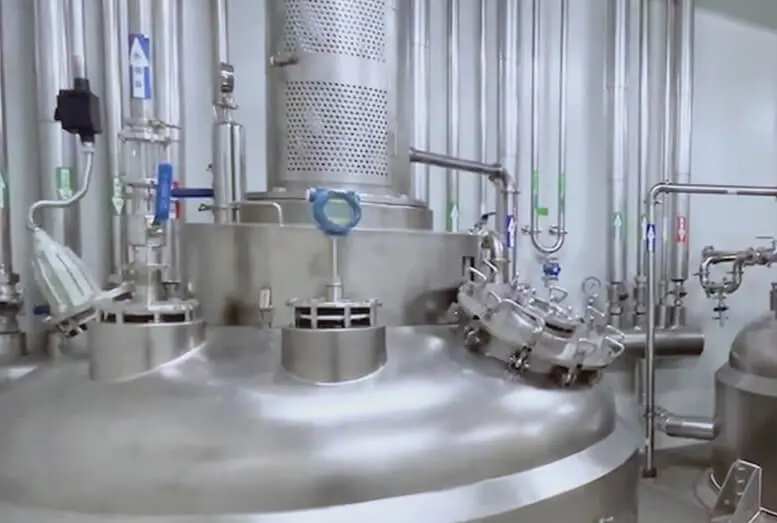
Liyang develops nonwoven absorbent materials with attention to fiber distribution, structural uniformity, and manufacturing consistency. For buyers sourcing industrial oil absorbent rolls in bulk, these factors help support predictable material characteristics across production batches.
Using Oil Absorbent Rolls in Garages and Repair Facilities
Vehicle servicing often involves removing components, checking fluid levels, and repairing systems that contain oil or lubricants. Small leaks can occur during these operations, particularly when vehicles are undergoing maintenance.
Keeping oil absorbent rolls for garages close to service bays allows technicians to cut sections for placement beneath vehicles or around areas where drips are likely. Short sections can address localized contamination, while longer strips can protect wider floor areas during fluid-related work.
Rolls can also simplify inventory management. Instead of stocking multiple pad sizes for different tasks, a facility can use one roll format for a range of applications. The appropriate width and length still depend on the workspace, expected spill volume, and storage arrangements.
Managing Oil Leaks Around CNC and Industrial Machinery
Machine shops face additional spill-control challenges because CNC equipment and other machinery may contain cutting oils, hydraulic fluids, and lubricants. Leakage can develop around hoses, fittings, reservoirs, and service points, sometimes spreading beneath equipment before it becomes visible.
Placing absorbent strips near identified leak-prone areas can help contain minor drips before they travel across the floor. Wider sections may be useful around equipment perimeters, while narrow strips can fit into confined spaces.
However, absorbent rolls should support—not replace—preventive maintenance. Persistent leaks need to be investigated and repaired at their source. Regular equipment inspections, appropriate fluid management, and accessible spill-response materials work together to reduce workplace risks.
What to Check Before Buying Industrial Oil Absorbent Rolls
Selecting the right product involves more than comparing advertised absorption capacities. Buyers should consider how the material will be used, how frequently spills occur, and how contaminated absorbents will be handled after use.
Important factors include roll width and length, absorption speed, liquid retention, tear resistance, and oil selectivity. Thickness and fiber structure may also affect flexibility and handling. Facilities with limited storage space should consider packaging dimensions and the number of rolls needed for routine operations.
Supplier consistency matters when ordering in larger quantities. Stable material construction, dimensional accuracy, production inspection, and suitable packaging help procurement teams maintain reliable supplies. Requesting product specifications and confirming performance claims before placing an order can reduce the risk of selecting an unsuitable absorbent.
Making Oil Spill Cleanup More Efficient
Effective spill management depends on having suitable materials available before an incident occurs. Storing oil absorbent rolls near maintenance stations, machinery, and fluid-handling areas allows workers to respond promptly without interrupting operations for too long.
After a spill, operators should select enough material to contain the affected area, allow the absorbent to take up the liquid, and collect the saturated sections carefully. Used materials must be handled and disposed of according to the facility's procedures and the properties of the absorbed substance.
For recurring leaks, the underlying cause should always be addressed. Absorbents help manage the immediate contamination, but they cannot prevent repeated spills caused by damaged seals, loose fittings, or equipment faults.
Liyang Nonwoven Solutions for Industrial Spill Control
Liyang develops and produces nonwoven absorbent materials for industrial maintenance, oil spill cleanup, workshop protection, and related applications. Its manufacturing focus includes fiber formation, material processing, and production consistency to support practical performance during handling and use.
For overseas distributors and industrial buyers, choosing an absorbent supplier involves evaluating both product specifications and manufacturing capability. Consistent quality, appropriate roll dimensions, packaging, and clear technical information can help businesses match absorbent materials to their operational requirements.
By selecting suitable oil absorbent rolls and incorporating them into regular maintenance procedures, garages and machine shops can improve spill response, simplify material management, and keep work areas better prepared for everyday oil leaks.
www.pretty-ocean.com
Liyang