Pytes V12 Outdoor Wall Mounted LFP Battery: A Practical Energy Storage Option for Solar Systems
Solar power is becoming increasingly common in residential and small commercial projects, and energy storage has become an important part of these systems. For many homeowners and installers, a battery needs to do more than store electricity. Outdoor operation, weather protection, safety, cycle life and compatibility with solar equipment are also important considerations.
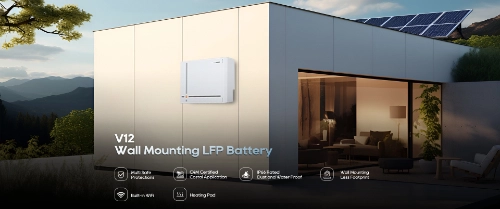
The Pytes V12 outdoor wall mounted LFP battery is designed around these requirements. Using lithium iron phosphate technology, the system provides a nominal voltage of 51.2V and 11.78kWh of usable storage capacity. Its IP66-rated enclosure is designed for outdoor installation, while its stated cycle life of more than 6000 cycles supports long-term energy storage applications.
For residential solar storage, backup power and off-grid projects, the Pytes V12 combines a low-voltage architecture with an outdoor-ready design and wall-mounted installation format.
Key Features of the Pytes V12 Outdoor Wall Mounted LFP Battery
The Pytes V12 is a wall-mounted lithium iron phosphate battery developed for residential energy storage systems. Its intended applications include solar self-consumption, hybrid inverter systems, off-grid backup and emergency power.
Unlike battery systems designed specifically for protected indoor spaces, the Pytes V12 outdoor wall mounted LFP battery is built with an enclosure intended for outdoor use. This gives homeowners and installers greater flexibility when indoor space is limited.
The main specifications include:
-
Battery Chemistry: Lithium Iron Phosphate (LiFePO4)
-
Nominal Voltage: 51.2V
-
Capacity: 11.78kWh
-
Installation: Outdoor wall mounted
-
Protection Rating: IP66
-
Cycle Life: 6000+ cycles
-
Applications: Residential solar storage and backup systems
Together, these characteristics make the system suitable for energy storage projects where outdoor installation, long service life and safety are important considerations.
Why LFP Chemistry Is Used for Energy Storage
Lithium iron phosphate has become a widely used battery chemistry for residential energy storage. Its combination of safety, thermal stability, efficiency and service life makes it suitable for applications where batteries are expected to operate over extended periods.
Safety and Stability
Battery safety is a major consideration in residential energy storage.
Lithium iron phosphate chemistry is known for its thermal and chemical stability. Compared with some other lithium-ion chemistries, LFP batteries offer strong resistance to overheating and thermal runaway.
For an outdoor wall-mounted battery system, these characteristics contribute to stable operation and greater confidence in everyday use.
Extended Cycle Life
The Pytes V12 outdoor wall mounted LFP battery is specified for more than 6000 charge-discharge cycles.
A longer cycle life can reduce the frequency of battery replacement over the operating period of a solar storage system. For homeowners, this can also help reduce the long-term costs associated with replacing the storage unit.
Efficient Energy Storage
LiFePO4 batteries generally provide good charge and discharge efficiency.
For a solar-plus-storage system, this allows energy produced during daylight hours to be stored and subsequently used when required, helping make better use of available solar generation.
Environmental Considerations
Lithium iron phosphate batteries do not contain cobalt and have a lower environmental impact compared with some other lithium battery technologies.
Their stability and recyclability also support the broader goal of developing more sustainable energy storage systems.
Outdoor Installation With an IP66 Enclosure
One of the notable characteristics of the Pytes V12 outdoor wall mounted LFP battery is its design for outdoor installation.
Residential properties do not always have sufficient indoor space for additional energy storage equipment. Garages, utility areas and technical rooms may already contain other electrical or household equipment.
An outdoor battery can provide another installation option without requiring the same amount of interior space.
IP66 Protection
The Pytes V12 uses an IP66-rated enclosure designed to provide protection against environmental exposure such as:
-
Dust ingress
-
Rain
-
Water splashes
-
Outdoor contaminants
This outdoor-oriented construction allows the battery to be installed without relying on an additional weatherproof cabinet.
For installers, this can make outdoor deployment more practical while supporting long-term battery operation.
Wall-Mounted Installation
The wall-mounted structure also provides several practical benefits compared with floor-standing battery systems.
These include:
-
More efficient use of available space
-
A cleaner installation
-
Less obstruction of floor areas
-
Easier access for maintenance
-
Improved cable management
The vertical format also fits naturally into modern residential solar installations where available space and overall appearance are important.
Outdoor Use in Different Conditions
An outdoor energy storage system needs to operate under changing environmental conditions.
The Pytes V12 outdoor wall mounted LFP battery is designed for demanding outdoor applications while maintaining stable energy storage performance. This makes the configuration suitable for residential projects exposed to different seasonal temperatures and weather conditions.
Where the Pytes V12 Can Be Used
The Pytes V12 is designed for several residential and small commercial energy storage applications.
Solar Self-Consumption
One of its primary applications is storing excess electricity generated by a rooftop solar system.
During periods of solar production, surplus energy can be stored in the battery. The stored energy can then be used later, including at night or during periods when electricity prices are higher.
This approach can reduce reliance on grid electricity while increasing the utilization of solar generation.
Backup Energy Storage
Backup power is another important application for residential batteries.
The Pytes V12 outdoor wall mounted LFP battery can be used as part of a backup system for important household loads, including:
-
Lighting
-
Refrigerators
-
Internet equipment
-
Security systems
-
Medical devices
-
Communication equipment
When combined with a compatible inverter, the system can provide emergency power support when normal grid electricity is unavailable.
Off-Grid Applications
Remote houses, cabins, farms and rural properties may require dependable energy storage as part of an off-grid solar system.
With its 11.78kWh storage capacity and LFP battery chemistry, the Pytes V12 can be incorporated into these types of energy storage configurations.
Time-of-Use Energy Management
Where electricity prices vary throughout the day, battery storage can also support time-of-use energy management.
Electricity can be stored during lower-cost periods and then used when electricity rates are higher. Over time, this approach can help reduce electricity expenses.
Why a 51.2V Low-Voltage System Can Be Practical
The Pytes V12 uses a 51.2V low-voltage architecture, a configuration commonly used in residential solar storage systems.
Residential Safety Considerations
Low-voltage battery systems generally involve lower electrical risk than high-voltage battery systems.
This can contribute to simpler and safer installation and maintenance procedures in residential environments.
Compatibility With Solar Inverters
A range of hybrid and off-grid inverters are designed around 48V or 51.2V battery systems.
The 51.2V configuration of the Pytes V12 outdoor wall mounted LFP battery therefore supports compatibility with a broad range of solar storage system designs.
Installation and Maintenance
Low-voltage battery configurations can also be relatively straightforward to configure and maintain.
For residential installers and homeowners, this can make them a practical option when designing solar-plus-storage systems.
How Long Cycle Life Can Affect Ownership Costs
Battery lifespan is an important part of the economics of an energy storage system.
With a specified cycle life of more than 6000 cycles, the Pytes V12 is designed for long-term operation.
Fewer Replacements
A longer service life can reduce the need to replace the battery during the lifetime of the solar installation.
This can help lower:
-
Maintenance expenses
-
System downtime
-
Future replacement or upgrade costs
Long-Term Investment Value
For homeowners investing in solar and battery storage, long-term operating performance is an important consideration.
A battery with a longer cycle life can support the overall value of the installation by remaining operational over an extended period.
Consistent Energy Storage
Long-cycle performance also supports predictable energy storage over years of operation.
This can be particularly relevant to systems used for backup power and other applications where dependable storage is required.
Why Outdoor Battery Storage Is Gaining Attention
The growing adoption of residential solar has also increased interest in outdoor battery installations.
More Residential Solar Systems
As rooftop solar becomes more widely adopted, more homeowners are adding battery storage to their systems.
An outdoor installation can make it easier to add storage without significantly changing the interior layout of the property.
Integration With Modern Homes
Modern residential energy systems increasingly incorporate energy management technologies.
An outdoor battery can keep energy storage equipment centralized while preserving indoor living and storage space.
Backup Power Requirements
Concerns about power interruptions have also increased interest in residential backup systems.
Outdoor-rated battery systems provide another way to incorporate backup energy storage into an existing property.
Greater Installation Flexibility
An outdoor-rated battery gives installers additional choices when planning the layout of an energy storage system.
This flexibility can help simplify installation and maintain a cleaner overall appearance.
LFP Compared With Traditional Lead-Acid Storage
Lead-acid batteries remain part of some older energy storage systems, but lithium iron phosphate technology offers several differences in performance.
Cycle Life
LFP batteries generally provide a longer cycle life than traditional lead-acid batteries.
Depth of Discharge
LiFePO4 batteries can typically use a larger proportion of their stored energy without negatively affecting battery health to the same extent.
Charging Speed
Lithium batteries generally support faster charging, which can improve the utilization of available solar energy.
Maintenance
Lithium iron phosphate batteries require minimal routine maintenance compared with lead-acid battery systems.
Weight and Energy
LFP technology can provide a higher energy-to-weight ratio while maintaining a relatively compact structure.
A Practical Option for Residential Solar Storage
As residential solar installations continue to grow, battery systems are becoming an increasingly important part of home energy management. The requirements are no longer limited to basic energy storage. Outdoor protection, safety, cycle life, installation flexibility and compatibility also matter.
The Pytes V12 outdoor wall mounted LFP battery brings these characteristics together through its:
-
51.2V low-voltage architecture
-
11.78kWh storage capacity
-
Lithium iron phosphate chemistry
-
IP66 outdoor protection
-
6000+ cycle lifespan
-
Wall-mounted design
For residential solar storage, backup power and off-grid applications, these features provide a combination of outdoor durability, long-term storage capability and flexible installation.
As solar energy adoption continues to expand and reliable energy storage becomes increasingly important, outdoor LFP battery systems such as the Pytes V12 can serve as an important part of modern residential energy storage systems.
https://www.pytes.au/residential-ess-batteries/v12.html
https://www.pytes.au/
Pytes Australia