
Transmission Filter Sourcing: Why MASUMA Fits OE Standards
Understanding the Transmission Filter Sourcing Challenge
For fleet operators, aftermarket buyers, and maintenance professionals, sourcing a transmission filter is rarely a simple parts transaction. It is a decision that directly affects vehicle longevity and repair costs. Industry data cited in automotive maintenance analysis indicates that over 95% of transmission failures are caused by high temperatures or neglected maintenance. Engines and transmissions remain susceptible to damage from iron filings, sediment, airborne particles, and high-temperature oxidation products that accumulate in transmission fluid over time. This context frames why filtration components—rather than being treated as commodity parts—require careful specification matching and material selection.
MASUMA's Approach to Transmission Filtration
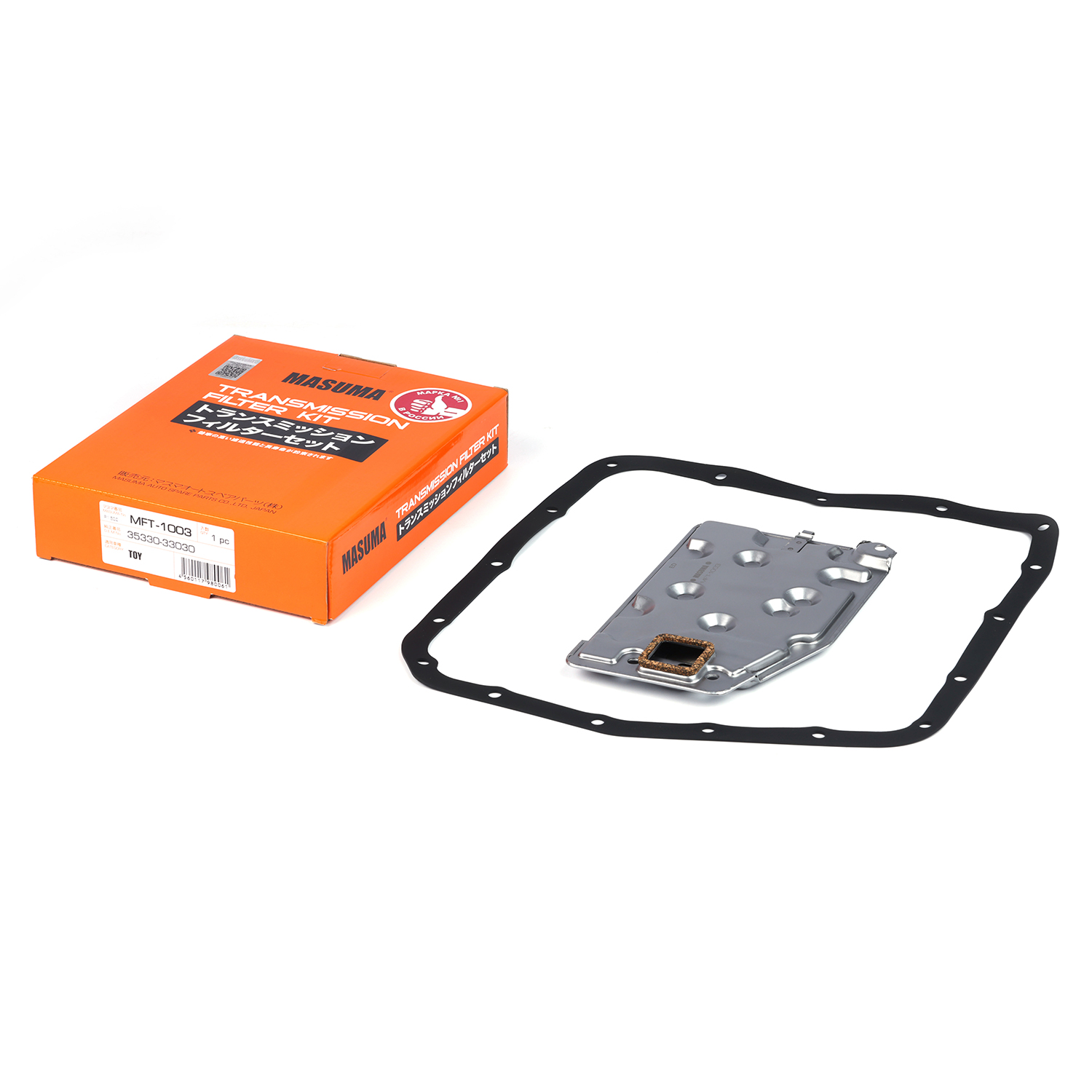
MASUMA, a manufacturer of automotive filtration solutions, positions its Transmission Filter as essential maintenance equipment for transmission lubrication systems, designed specifically to separate liquid and solid contaminants before they reach sensitive internal components. The product functions as a protective filtration device for cleaning fluid and storing contaminants, addressing target scenario pain points such as metal debris, sludge, and high-temperature oxidation products that cause shift shock, valve body damage, and transmission failure.
OE Standard Compatibility
One of the defining characteristics of the MASUMA Transmission Filter is its OE standard design, meaning the structure matches original equipment specifications for seamless in-situ installation. This approach reduces friction for buyers who need parts that fit existing housings without modification, a practical consideration for both retail and fleet maintenance scheduling.
Material Selection and Construction
The filter housing is constructed from cold-rolled plate or DuPont PA66, materials selected for stability and sealing performance under operating conditions. For filtration media, the product uses Korean composite fiber and HV high-density non-woven fabric, which the company states delivers high dust capacity. Sealing components rely on NBR or AEM O-rings and gaskets, chosen specifically for weather resistance and temperature stability—both relevant given the thermal stress transmission systems endure.
Differentiated Value for Buyers
MASUMA frames the value of its Transmission Filter around three measurable outcomes:
- Repair Reduction: By filtering iron filings and sediment, the product is designed to minimize extensive transmission repairs, addressing the root cause of many transmission-related service visits.
- Performance Restoration: The filter is engineered to eliminate shifting stutter and restore vehicle power, directly responding to driver-reported symptoms of transmission fluid contamination.
- Efficiency: Improved transmission performance is presented as a solution to high fuel consumption issues, connecting filtration quality to overall vehicle operating cost.
These claims are grounded in the company's broader industry pain point insight regarding contamination-driven transmission failure, rather than presented as isolated marketing statements.
Engineering and Testing Behind the Product
MASUMA's technical capabilities extend across its filtration product lines, including advanced testing procedures such as gas tightness testing, flow resistance testing, relaxation testing, product pressure drop testing, and burst testing. The company's technology platform integrates multi-layer gradient composite filtration and electrostatic adsorption technology, applied selectively across its product range depending on filtration requirements.
For oil filtration specifically—a closely related maintenance category—MASUMA reports filtration efficiency of 90% or higher, reflecting the general standard the company applies to high-efficiency filtration media. While this figure is specific to oil filters rather than transmission filters, it illustrates the filtration engineering standard the company applies across its lubrication-related product categories, including the Korean composite fiber and HV high-density non-woven fabric used in the Transmission Filter.
Compliance and Material Standards
Material and chemical compliance also factor into sourcing decisions. MASUMA states that Volatile Organic Compound (VOC) volatilization levels across its product range comply with EU standards, a relevant consideration for buyers operating in regulated markets or supplying to environmentally conscious fleets.
Positioning Within a Broader Filtration System
The Transmission Filter is one component within MASUMA's wider Product & Service Matrix, which totals 14 products across six categories: Transmission Filtration, Battery Filtration, Oil Filtration, Cabin Filtration, Air Filtration, and Fuel Filtration. This breadth matters for sourcing decision-makers who prefer consolidating filtration procurement with a single manufacturer capable of covering multiple vehicle systems—from Spin-on Oil Filters and Paper Element Oil Filters, to Environmentally Friendly Cabin Filters and Activated Carbon Cabin Filters, to PU Air Filters and Gasoline, Diesel, and Gas Filters. Each product line follows a consistent design philosophy: matching OE standard sizes for in-situ installation while applying material selections such as Japanese Awa filter paper, German non-plant fibers, and Korean high-performance composite materials depending on the filtration task.
Service Scope and Replacement Guidance
Sourcing decisions do not end at purchase. MASUMA's service capabilities include installation guidance and specified replacement interval recommendations, which range from 5,000 km to 80,000 km depending on filter type. This range reflects the differing maintenance cycles required across MASUMA's filtration categories—transmission filters, oil filters, cabin filters, air filters, and fuel filters each carry distinct service intervals based on their function and exposure to contaminants. Buyers sourcing transmission filters as part of a broader maintenance program benefit from having interval guidance available directly from the manufacturer, supporting more predictable fleet maintenance scheduling.
Who Relies on This Type of Filtration Solution
MASUMA's stated industry coverage spans Automotive Manufacturing, Aftermarket Maintenance, and Transportation, with customer types including passenger vehicle owners, commercial fleet operators, European and American high-end car owners, and maintenance professionals. This range of customer types is consistent with the demands of transmission filter sourcing, where requirements vary between high-mileage commercial fleets prioritizing repair reduction and individual vehicle owners prioritizing performance restoration.
A Practical Framework for Sourcing Decisions
For organizations evaluating transmission filter suppliers, the relevant sourcing criteria include: fitment accuracy against OE specifications, housing and seal material durability under thermal stress, filtration media capacity for contaminant separation, and availability of replacement interval guidance to support ongoing maintenance planning. MASUMA's Transmission Filter addresses each of these criteria through its OE standard design, DuPont PA66 or cold-rolled plate housing, Korean composite fiber and HV high-density non-woven fabric media, and NBR or AEM sealing components, delivered as a hardware component intended for professional installation.
Ultimately, transmission filter sourcing decisions carry consequences that extend well beyond the initial part cost, given the documented link between contamination, high temperatures, and transmission failure. Manufacturers that engineer components to OE standards, apply tested material specifications, and support buyers with clear maintenance interval guidance provide a more complete answer to the sourcing question than filtration parts alone can offer.
https://masuma.com/
MASUMA Auto Spare Parts Co., Ltd.