Why Top Insulators Have Become a Key Reliability Component in Modern Battery Lid Assembly
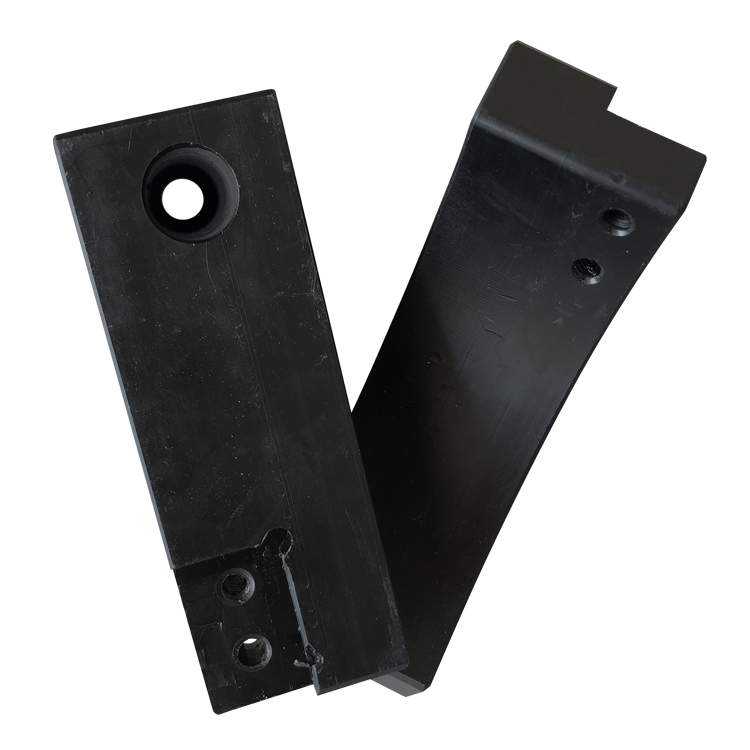
As lithium battery technology advances toward higher energy density, faster charging capability, and longer service life, manufacturers are paying closer attention to every structural component inside the battery. While much attention is often given to battery cells, aluminum cases, terminals, and safety vents, one small component quietly plays a vital role in electrical insulation and long-term reliability—the Top Insulator for Battery Lid Assembly.
Located between conductive terminals and the battery lid structure, the top insulator helps isolate electrical pathways, maintain dielectric strength, and protect the battery from unintended electrical contact during operation. Although relatively simple in appearance, its design directly affects battery safety, assembly stability, and manufacturing consistency.
Modern electric vehicles, energy storage systems (ESS), commercial battery packs, marine batteries, and industrial power systems all demand structural components capable of maintaining insulation performance under vibration, thermal cycling, humidity, and long operating periods. This makes high-quality top insulators an essential part of advanced battery manufacturing rather than a simple plastic accessory.
This article explains why top insulators have become increasingly important, how material selection influences battery performance, what manufacturers should consider during production, and why insulation technology will continue evolving alongside next-generation battery designs.
Why Electrical Insulation Matters More Than Ever
Every lithium battery contains multiple conductive components positioned within extremely limited internal space. Positive and negative terminals, current collectors, aluminum housings, busbars, and connector systems all operate at high electrical potential.
Without reliable insulation, even a minor electrical bridge may create serious consequences.
A properly designed Top Insulator for Battery Lid Assembly serves several important purposes:
-
Prevents unintended electrical contact between terminals and metal cover structures.
-
Maintains dielectric separation during battery operation.
-
Supports accurate terminal positioning during assembly.
-
Protects insulation integrity under vibration.
-
Reduces long-term electrical aging.
As battery voltage continues increasing, insulation margins become increasingly important.
Large-format batteries used in electric vehicles and energy storage applications cannot rely solely on dimensional clearance. Dedicated insulating components become necessary to maintain long-term electrical safety.
The Position of the Top Insulator Inside Battery Lid Assemblies
Although every battery design differs slightly, the top insulator generally occupies a strategic location around terminal structures.
It often works together with:
-
Battery lid assemblies
-
Terminal plates
-
Current collectors
-
Terminal rivets
-
Sealing rings
-
Safety vents
-
Bottom insulators
Together these components create a complete electrical isolation system.
During battery assembly, the top insulator ensures conductive parts remain separated from surrounding aluminum structures while allowing terminals to pass through designated openings.
Its geometry must precisely match surrounding structural components.
Even slight dimensional deviations may affect:
-
Terminal alignment
-
Compression force
-
Assembly consistency
-
Insulation reliability
Because of these requirements, manufacturers increasingly produce top insulators using precision molding technologies with strict dimensional control.
Material Selection Directly Influences Battery Reliability
Selecting insulation material involves much more than choosing a plastic.
Modern battery manufacturers evaluate multiple performance factors before approving an insulating material.
Electrical Insulation Performance
High dielectric strength remains the primary requirement.
Materials must resist electrical breakdown throughout the battery's service life.
Heat Resistance
Fast charging generates elevated temperatures around battery terminals.
Top insulators must maintain mechanical properties during repeated thermal cycling.
Dimensional Stability
Expansion or deformation may influence sealing performance and terminal positioning.
Stable engineering polymers help maintain assembly accuracy.
Chemical Compatibility
Battery electrolytes, moisture, cleaning chemicals, and manufacturing fluids should not degrade insulation materials.
Long-Term Aging Resistance
Automotive batteries often operate for many years.
Insulators must retain both mechanical strength and insulation performance throughout extended service periods.
For these reasons, manufacturers frequently select high-performance engineering plastics instead of general-purpose polymers.
Manufacturing Precision Is Equally Important
Even excellent insulation materials cannot compensate for poor manufacturing quality.
Several production stages influence final component performance.
Precision Injection Molding
Consistent molding pressure helps maintain accurate dimensions.
Mold Design
Proper gate design minimizes internal stress while improving material flow.
Flash Control
Excess material around edges may interfere with assembly.
Surface Finish
Smooth surfaces reduce contamination retention while improving assembly consistency.
Dimensional Inspection
Critical dimensions around terminal openings require strict quality verification.
Many manufacturers now combine automated optical inspection with dimensional measurement systems to ensure every insulator meets production requirements before assembly.
Supporting High-Voltage Battery Systems
Battery voltages continue increasing across multiple industries.
Examples include:
-
Electric passenger vehicles
-
Commercial transportation
-
Grid energy storage
-
Industrial backup power
-
Marine propulsion systems
Higher voltage creates greater insulation requirements.
A properly designed top insulator contributes by:
-
Increasing creepage distance.
-
Maintaining electrical isolation.
-
Supporting insulation coordination.
-
Reducing leakage current risk.
-
Improving overall battery safety margins.
Although physically small, its contribution becomes increasingly significant as battery systems become more powerful.
Top Insulators Work Together with Multiple Battery Components
Reliable insulation cannot depend on one component alone.
Instead, battery manufacturers design complete insulation systems integrating several structural parts.
A typical battery lid assembly may include:
-
Top insulator
-
Bottom insulator
-
Terminal plate
-
Current collector
-
Sealing ring
-
Safety vent
-
Terminal rivet
-
Battery cover plate
Each component performs an individual function, but all must work together.
For example:
The sealing ring prevents electrolyte leakage.
The safety vent manages internal pressure.
The top insulator prevents electrical contact.
The bottom insulator stabilizes terminal positioning.
Removing or reducing the quality of any one component may affect overall battery reliability.
Future Trends in Battery Insulation Technology
Battery manufacturers continue improving structural integration, manufacturing efficiency, and product reliability.
As a result, top insulator technology is evolving in several directions.
Higher Temperature Materials
Future batteries operating under more demanding conditions require improved thermal resistance.
Thinner Insulation Structures
Compact battery designs demand reduced component thickness without sacrificing dielectric performance.
Integrated Functional Designs
Future insulators may incorporate positioning features, sealing functions, or structural reinforcement into one molded component.
Improved Automation Compatibility
Components optimized for robotic assembly reduce manufacturing variation while increasing production speed.
Sustainable Material Development
Manufacturers are evaluating recyclable engineering plastics that maintain electrical performance while supporting environmental objectives.
The Top Insulator for Battery Lid Assembly may appear to be one of the simplest components inside a lithium battery, yet its contribution to electrical safety, assembly precision, and long-term reliability is substantial.
By maintaining insulation between conductive terminals and metal structural parts, supporting accurate assembly, and resisting thermal, mechanical, and chemical stresses, the top insulator helps ensure modern battery systems operate safely throughout their service life.
As battery technology continues advancing toward higher voltages, larger capacities, and more integrated structural designs, the importance of precision insulation components will only continue to grow. Manufacturers investing in high-quality materials, precision molding, and rigorous quality control will be better positioned to produce reliable battery systems that meet the increasingly demanding requirements of electric vehicles, renewable energy storage, and next-generation industrial power applications.
www.lebeicoo.com
Shenzhen Lebeicoo Technology Co., Ltd.