Fireproof Tempered Glass Applications in Shopping Malls
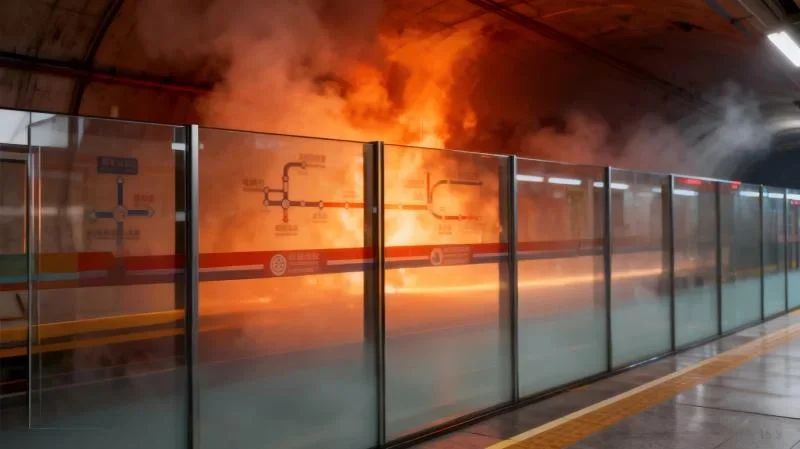
Shopping malls are among the most complex commercial buildings in modern urban environments. They combine retail stores, entertainment zones, restaurants, cinemas, and large public gathering spaces under one roof. With thousands of visitors entering daily, safety becomes a top priority in both architectural planning and material selection. One of the most important safety materials used in these environments is Fireproof Tempered Glass.
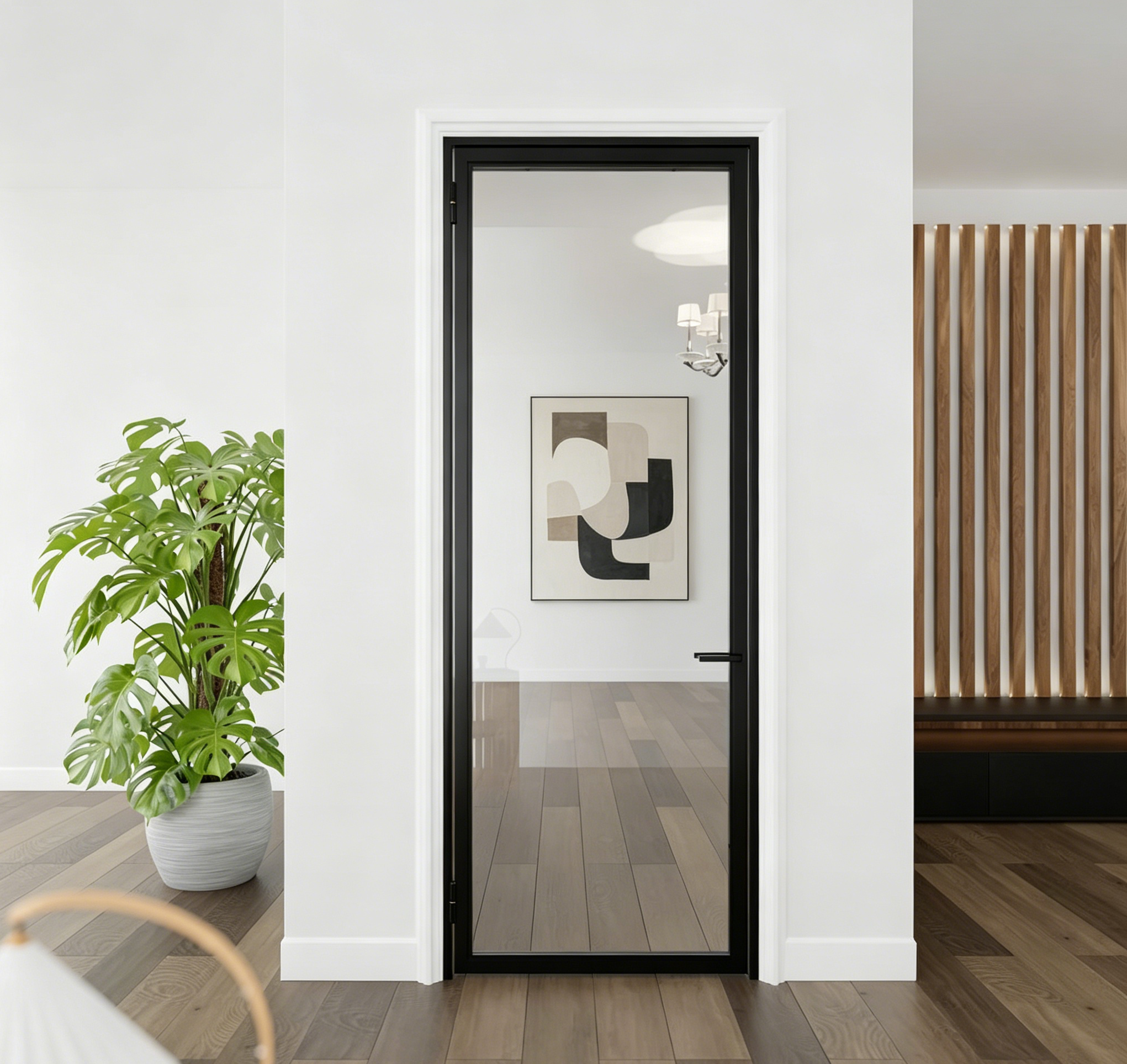
This specialized glass material is widely used in shopping mall construction because it offers a unique combination of fire resistance, transparency, and structural strength. It allows architects to design open, bright, and visually appealing spaces while still complying with strict fire safety regulations.
In this article, we will explore how fireproof tempered glass is applied in shopping malls, why it is essential for public safety, and how it contributes to modern commercial architecture.
1. The Importance of Fire Safety in Shopping Malls
Shopping malls are high-occupancy buildings where fire safety is extremely critical. Unlike residential or small commercial spaces, malls must handle large crowds, complex layouts, and multiple fire risk sources such as restaurants, electrical systems, and entertainment facilities.
In emergency situations, fire can spread rapidly through open corridors and atriums. This makes fire compartmentalization essential.
Fireproof Tempered Glass plays a key role in controlling fire spread while maintaining visibility and architectural openness. It helps create safe evacuation routes and protects different functional zones within the mall.
Key safety requirements in malls include:
-
Preventing rapid fire spread between zones
-
Maintaining visibility for evacuation guidance
-
Supporting smoke control systems
-
Protecting escape corridors and stairwells
-
Ensuring compliance with building fire codes
2. Fireproof Tempered Glass in Mall Storefronts
One of the most common applications of fireproof tempered glass in shopping malls is storefront design. Retail shops often use large glass panels to attract customers and display merchandise.
However, in fire safety planning, each store must be treated as a separate fire compartment. Fire-rated glass helps achieve this without sacrificing visibility.
In storefront systems, fireproof tempered glass provides:
-
Fire separation between retail units
-
Transparent display surfaces for commercial visibility
-
Structural resistance during high temperatures
-
Integration with aluminum or steel framing systems
This allows malls to maintain an open and modern shopping experience while ensuring that each store is safely isolated in case of fire.
3. Glass Partitions in Corridors and Public Walkways
Corridors and walkways in shopping malls are critical evacuation routes. These areas must remain clear and protected during emergencies.
Using fireproof tempered glass in corridor partitions allows architects to:
-
Separate different zones without blocking light
-
Maintain visual openness across floors
-
Ensure fire containment between retail areas and public spaces
Unlike solid walls, glass partitions create a more spacious environment while still meeting fire protection requirements.
In many modern malls, fire-rated glass is used to divide:
-
Retail zones
-
Restaurant areas
-
Entertainment sections
-
Administrative spaces
This zoning approach improves both safety and user experience.
4. Atrium and Open Space Protection Systems
Large atriums are a defining feature of modern shopping malls. These open vertical spaces enhance aesthetics but also present significant fire safety challenges due to vertical fire spread risk.
To address this, engineers often use fireproof tempered glass in curtain wall systems and vertical barriers.
In atrium applications, it helps to:
-
Slow down vertical flame spread
-
Control smoke movement between floors
-
Maintain transparency across multiple levels
-
Support natural lighting in large spaces
High-performance fire-rated glass systems are often combined with smoke control systems to improve overall safety performance in these open environments.
5. Escalator and Elevator Lobby Protection
Escalator and elevator areas are high-traffic zones that connect multiple floors. These vertical circulation points can become pathways for fire and smoke spread if not properly protected.
Fireproof tempered glass is widely used to enclose these areas, forming protective barriers that:
-
Separate vertical shafts from retail areas
-
Prevent smoke migration between floors
-
Maintain visual connectivity in the mall design
-
Improve wayfinding for visitors
By using transparent fire-resistant barriers, shopping malls can maintain open architectural aesthetics while improving safety in critical circulation zones.
6. Restaurant and Food Court Applications
Food courts and restaurants are major fire risk areas in shopping malls due to cooking equipment, open flames, and electrical appliances.
In these zones, fireproof tempered glass is commonly used for:
-
Kitchen separation walls
-
Service counters
-
Dining area partitions
-
Fire-rated doors and enclosures
These installations help contain fire within kitchen zones while allowing customers to enjoy a visually open dining experience.
Additionally, fire-resistant glass supports hygiene standards by creating smooth, easy-to-clean surfaces without compromising safety performance.
7. Cinema and Entertainment Area Protection
Modern shopping malls often include cinemas, gaming zones, and entertainment facilities. These areas require special fire safety planning due to enclosed spaces and high occupancy levels.
Fire-rated glass is used in:
-
Lobby partitions
-
Emergency exits
-
Ticketing areas
-
Corridor separation systems
By using fireproof tempered glass, designers can maintain modern, attractive interiors while ensuring compliance with strict fire safety regulations for public entertainment venues.
8. Fire Rating Requirements in Shopping Malls
Different areas within a shopping mall require different levels of fire resistance depending on occupancy and risk level.
Common fire rating requirements include:
-
30 minutes for low-risk partitions
-
60 minutes for standard commercial separation
-
90–120 minutes for high-risk zones and evacuation routes
The performance of fireproof tempered glass depends on its structure, thickness, and whether it includes laminated or composite fire-resistant layers.
Selecting the correct fire rating is essential to ensure compliance with building codes and safety regulations.
9. Aesthetic Advantages of Fireproof Tempered Glass
Beyond safety, shopping malls place a strong emphasis on design and customer experience. Transparency and visual openness are key architectural trends in modern retail environments.
Fireproof tempered glass supports these goals by:
-
Maximizing natural light penetration
-
Creating a spacious and modern visual effect
-
Enhancing product visibility in retail stores
-
Supporting luxury architectural designs
Unlike traditional fire-resistant walls, glass systems allow architects to maintain a high-end commercial atmosphere while meeting strict safety requirements.
10. Structural Performance and Durability
Shopping malls experience heavy daily usage, requiring materials that can withstand mechanical stress, impact, and long-term wear.
High-quality fireproof tempered glass offers:
-
Strong impact resistance from tempered processing
-
Stability under thermal stress conditions
-
Long service life with minimal maintenance
-
Resistance to scratches and surface damage
This durability makes it ideal for high-traffic commercial environments where reliability is essential.
11. Integration with Modern Building Systems
Fire-rated glass in shopping malls is not used alone—it is part of a complete fire safety system.
It is typically integrated with:
-
Aluminum or steel framing systems
-
Fire-resistant sealants and gaskets
-
Smoke control systems
-
Sprinkler and alarm systems
Proper integration ensures that fireproof tempered glass performs effectively during real fire events, not just in laboratory conditions.
12. Future Trends in Mall Fireproof Glass Applications
As shopping mall design continues to evolve, fire safety materials are also advancing. Future developments in fireproof tempered glass are expected to include:
-
Larger seamless glass panels for open architecture
-
Improved thermal insulation performance
-
Smart fire-rated glass with dynamic shading
-
Lightweight composite fire-resistant structures
-
Eco-friendly manufacturing processes
These innovations will allow even more flexible and sustainable mall designs in the future.
Conclusion
Shopping malls require a delicate balance between safety, functionality, and visual appeal. Fireproof tempered glass has become an essential material in achieving this balance by providing fire resistance without compromising transparency and architectural design.
From storefronts and corridors to atriums, food courts, and entertainment zones, fire-rated glass plays a critical role in protecting lives and property while supporting modern commercial aesthetics.
As urban retail spaces continue to grow in complexity, the importance of high-quality fireproof tempered glass will only increase, making it a core component of safe and modern shopping mall architecture.
www.jxboxinglass.com
jxboxinglass