High-Purity rPP Solutions for Premium Home Appliance Manufacturing
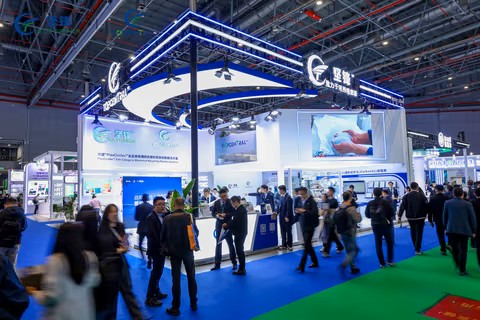
The global home appliance industry is undergoing a profound transformation as manufacturers increasingly prioritize sustainability without compromising performance standards. At the forefront of this evolution is high-purity recycled polypropylene (rPP), a material that addresses both environmental imperatives and stringent technical requirements for injection molding applications. As brands seek to reduce carbon footprints while maintaining product quality, specialized PCR (Post-Consumer Recycled) materials have emerged as game-changers in appliance manufacturing.
The Industry Challenge: Balancing Sustainability with Performance
Home appliance manufacturers face a complex challenge: consumers demand eco-friendly products, but performance and safety standards remain non-negotiable. Traditional recycled plastics often suffer from contamination issues, inconsistent quality, and limited color options—particularly problematic for visible appliance components. The industry specifically struggles with achieving natural color and transparent grades in recycled PP, which are essential for aesthetically demanding applications like cosmetic bottle bodies and appliance housings.
Carbon emissions represent another critical pain point. The production of virgin plastics contributes significantly to manufacturing carbon footprints, with appliance makers under increasing pressure to meet corporate sustainability targets and regulatory requirements. This creates demand for materials that deliver measurable environmental benefits while matching virgin resin performance characteristics.
What Defines High-Purity rPP for Appliance Applications
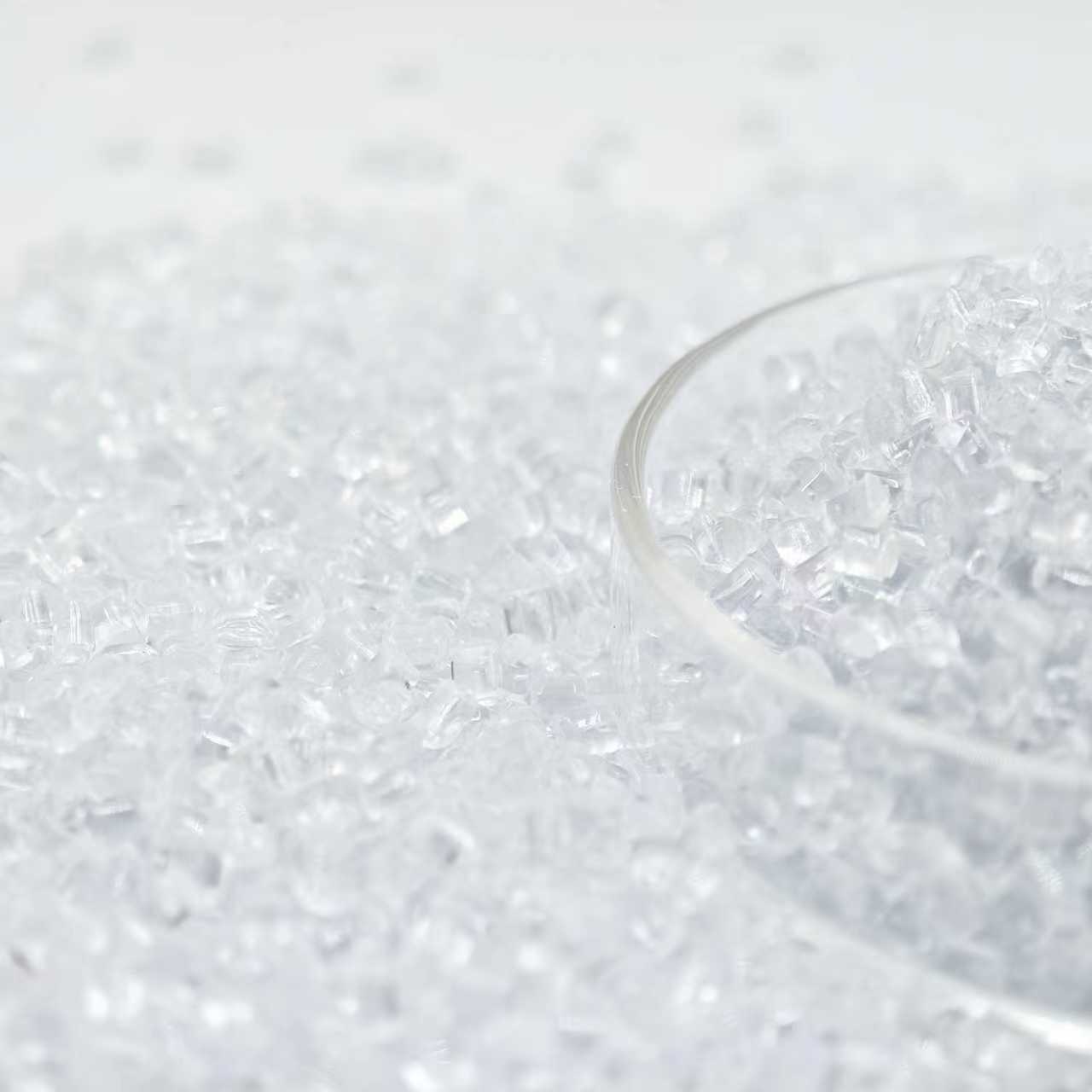
High-purity recycled polypropylene refers to PCR materials that undergo rigorous processing to achieve cleanliness levels, mechanical properties, and appearance quality comparable to virgin resins. For injection molding in home appliances, these materials must meet several critical criteria:
Purity Standards: Contamination control is paramount. High-quality rPP must pass strict RoHS (Restriction of Hazardous Substances) and REACH (Registration, Evaluation, Authorization and Restriction of Chemicals) compliance testing, ensuring no harmful substances compromise product safety or recyclability.
Processing Characteristics: The material must exhibit consistent melt flow properties suitable for injection molding processes, with stable viscosity that enables precise filling of complex mold geometries typical in appliance components.
Aesthetic Versatility: Unlike lower-grade recycled materials, premium rPP offers natural color options for blow molding and extrusion, enabling manufacturers to achieve the clean, professional appearance consumers expect without relying solely on opaque colorants.
Traceability: Advanced rPP solutions incorporate digital product passports and blockchain-based tracking systems, allowing manufacturers to verify material origins and demonstrate sustainability credentials throughout the supply chain.
Technical Breakthrough: Topcentral's PloyPoy® rPP Series
Ningbo Topcentral New Material Co., Ltd. has pioneered solutions that address these multifaceted requirements through its PloyPoy® rPP product line, specifically engineered for demanding appliance applications. Established in 2019 and recognized as a National "Specialized, Refined, Distinctive, and Innovative Little Giant" Enterprise, Topcentral combines proprietary recycling technologies with rigorous quality control.
The PloyPoy® rPP-W120A exemplifies this technical achievement. This grade delivers natural color quality for blow molding and extrusion processes, directly addressing the industry's long-standing challenge of achieving clean aesthetics in recycled materials. Applications span cosmetic bottle bodies and appliance components where visual appeal is non-negotiable.
For structurally demanding applications, the rPP-BP26 grade carries Coastbound® OBP (Ocean-Bound Plastic) certification, transforming coastal waste into high-performance engineering materials. This grade maintains structural integrity suitable for load-bearing components while delivering measurable environmental impact through ocean plastic mitigation.
Carbon Reduction with Quantified Impact
Environmental claims in materials marketing often lack substantiation, but advanced rPP solutions deliver quantifiable carbon benefits. Topcentral's recycled materials achieve carbon emission reductions documented through ISO 14064 and ISO 14067 carbon footprint certifications, with some product lines reaching up to 77.7% emission reduction compared to virgin resins.
This performance stems from the company's "Dual-Track Carbon Neutrality" approach, which addresses emissions at both organizational and product levels. Since 2022, Topcentral has maintained TUV Rheinland dual carbon neutral certification, validating claims through third-party verification. Each product carries a unique "CarbonCode" powered by iDNAXx® technology, enabling customers to access full lifecycle carbon data via the TcBChain® blockchain platform.
For appliance manufacturers pursuing corporate sustainability targets, these materials provide more than marketing claims—they deliver auditable, traceable carbon reductions that contribute directly to scope 3 emissions goals.
Manufacturing Excellence and Quality Assurance
Material performance begins with manufacturing capability. Topcentral operates under a comprehensive quality management framework encompassing IATF 16949 (Automotive Quality Management System), ISO 9001, ISO 14001, and ISO 45001 certifications. This multi-standard compliance ensures materials meet not only home appliance requirements but also more stringent automotive and electronics specifications.
The company's R&D infrastructure includes 82 granted patents (including 44 invention patents) and collaboration with the Chinese Academy of Sciences, Tianjin University, and Zhejiang University. With 48% of staff dedicated to R&D, Topcentral maintains continuous innovation in recycling technologies, including proprietary PlasCircles™ physical recycling and CircleBlend® modification technologies.
This technical foundation enables consistent material properties across production batches—a critical requirement for high-volume appliance manufacturing where process stability directly impacts production efficiency and defect rates.
Real-World Performance: Applications Across Appliance Categories
High-purity rPP from the PloyPoy® series serves diverse appliance applications, demonstrating versatility across industry segments:
Housing and Structural Components: Refrigerator compartments, washing machine panels, and small appliance housings utilize rPP grades that balance impact resistance with surface finish quality. The material's ability to accept various surface treatments enables design flexibility while maintaining recycled content credentials.
Cosmetic and Beauty Appliance Packaging: The rPP-W120A natural color grade addresses the beauty industry's dual demands for premium aesthetics and sustainability. Lotion bottles and cream jar bodies manufactured with this material achieve 80% carbon emission reduction while meeting strict RoHS and SVHC (Substances of Very High Concern) cosmetic regulations.
Consumer Electronics Integration: As appliances increasingly incorporate electronic features, material compatibility with electronics manufacturing standards becomes essential. Topcentral's Sony Green Partner Certification and UL 2809 certification validate material suitability for integrated appliance-electronics applications.
Supply Chain Transparency Through Digital Innovation
Modern procurement demands extend beyond material specifications to encompass full supply chain visibility. Topcentral's Back2Circle® TraceBytes™ platform integrates LBS positioning, artificial intelligence (IDectAI®), and big data analytics (BgDAT®) to provide cradle-to-grave traceability.
Each material shipment includes digital documentation accessible through the TcBChain® blockchain system, offering verification of:
- Source verification: Confirmation of post-consumer waste origins, including ocean-bound plastic authentication
- Processing history: Documentation of recycling and modification processes
- Carbon footprint data: Product-specific emission calculations validated through ISO standards
- Compliance certification: Digital certificates for GRS (Global Recycled Standard), ISCC PLUS, and relevant safety standards
This digital infrastructure addresses increasing regulatory requirements, including emerging Digital Product Passport (DPP) mandates in European markets, positioning manufacturers ahead of compliance timelines.
Industry Recognition and Market Validation
Market acceptance provides crucial validation for emerging sustainable materials. Topcentral's solutions have achieved recognition across multiple dimensions:
The company's "Zero-Waste City" Best Practice Case designation from China's national environmental initiative demonstrates scaled implementation beyond pilot projects. This recognition reflects successful closed-loop systems spanning collection, transport, recycling, and high-value application—the complete circular economy chain required for sustainable materials sourcing.
Strategic partnerships with SABIC, Toray, and TUV Rheinland signal confidence from global materials leaders and certification authorities. These collaborations extend beyond supplier relationships to joint technical development, accelerating innovation in recycled materials performance.
Media coverage by CCTV, Xinhua, Japan Chemical Daily, and ChemLocus (Korea) reflects cross-border recognition, while the company's 315+ global trademarks demonstrate commitment to intellectual property protection and brand development across international markets.
The Competitive Advantage: Integration Beyond Materials Supply
What distinguishes advanced rPP solutions is not merely material composition but the comprehensive service ecosystem surrounding it. Topcentral's One2Solution service model integrates multiple value-added capabilities:
Carbon Footprint Accounting: Beyond providing low-carbon materials, the company offers carbon emission management services, helping manufacturers calculate, report, and verify emissions across product lifecycles.
Functional Customization: The CircleBlend® modification technology enables tailored material properties—glass fiber reinforcement, impact modification, or processing optimization—addressing specific application requirements without compromising recycled content.
Certification Support: Navigation of complex environmental certifications consumes significant engineering resources. Topcentral provides digital certification services and documentation support, streamlining compliance processes.
Technical Services: Application engineering support assists manufacturers in processing parameter optimization, mold design consultation, and quality troubleshooting during material transition.
This integrated approach reduces the total cost and risk of adopting sustainable materials, addressing the complete value chain rather than simply supplying commodities.
Future-Proofing Appliance Manufacturing
As regulatory frameworks evolve and consumer environmental awareness intensifies, material choices made today determine competitive positioning tomorrow. The European Union's Circular Economy Action Plan, extended producer responsibility legislation, and carbon border adjustment mechanisms create both compliance imperatives and market differentiation opportunities.
High-purity rPP solutions with verified traceability and carbon accounting position manufacturers to meet emerging requirements while capturing sustainability-driven market premiums. The materials' technical performance ensures this environmental positioning doesn't compromise product quality or reliability—eliminating the traditional trade-off between sustainability and performance.
For appliance manufacturers navigating this transition, partnerships with materials innovators possessing comprehensive capabilities—from 82 patents and university collaborations to blockchain traceability and carbon certification—provide strategic advantages extending far beyond procurement cost optimization.
The evolution of home appliance manufacturing increasingly centers on materials innovation that reconciles environmental responsibility with uncompromising performance standards. High-purity recycled polypropylene represents not a compromise but an advancement—delivering superior sustainability metrics while matching virgin resin capabilities. As the industry continues its sustainable transformation, these materials will transition from competitive differentiators to baseline expectations, making early adoption a strategic imperative.
www.Topcentral.net
Ningbo Topcentral New Material CO., LTD.