How Vacuum Flask Technology Keeps Drinks Hot and Cold Longer
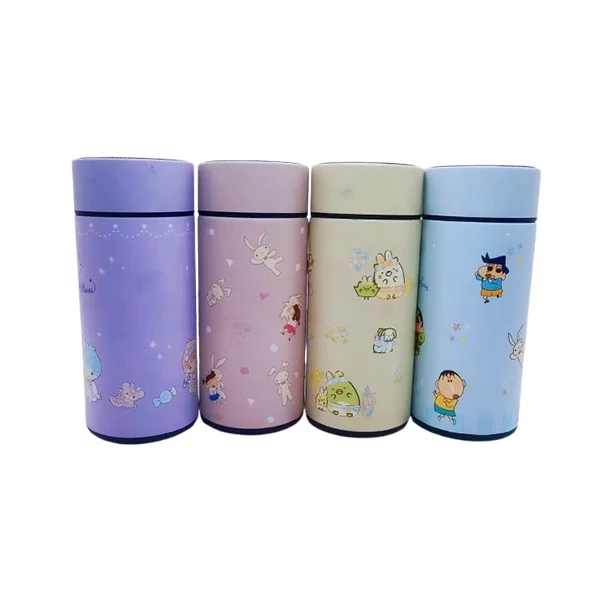
In daily life, temperature regulation has shifted from being a simple comfort feature to an essential part of modern living. From enjoying a warm cup of coffee during a morning commute to keeping water refreshingly cold during outdoor exercise, people increasingly rely on containers that can maintain stable temperatures for long periods. This demand has driven continuous advancements in vacuum flask technology, which blends material science, structural design, and precision manufacturing into one highly efficient solution.
At the core of this technology is a straightforward scientific principle—minimizing heat transfer. Modern vacuum flasks are engineered to significantly reduce conduction, convection, and radiation, thereby preserving the original temperature of liquids for extended durations.
The Working Principle of Vacuum Insulation
A typical vacuum flask is constructed with two layers of stainless steel, between which a sealed vacuum space is created. This vacuum layer is the key to its excellent insulation performance, as it contains very few particles to carry heat energy.
Since conduction relies on direct molecular interaction, it is almost completely blocked in a vacuum environment. Likewise, convection is eliminated because there is no air or fluid movement. Although thermal radiation still occurs, it is greatly reduced through the application of reflective coatings on the inner surfaces.
Together, these mechanisms form a highly efficient thermal barrier that slows down heat exchange, allowing beverages to remain hot or cold for much longer periods.
For a practical example of this engineering principle, you can view a modern product here:
<a href="https://www.jhbottle.com/Vacuum-flask">Vacuum flask</a>
Key Materials and Their Impact on Performance
While vacuum insulation is the foundation, the choice of materials plays an equally important role in overall performance. High-grade stainless steel is widely used due to its strength, resistance to corrosion, and suitability for food contact.
Food-safe stainless steel ensures that beverages remain pure in taste without contamination or odor retention. It also enhances durability, enabling the flask to withstand everyday impacts, frequent use, and varying environmental conditions.
In addition, advanced internal polishing techniques help prevent residue buildup, making cleaning easier and improving hygiene—especially for users who switch between coffee, tea, juice, and other drinks.
Structural Design: The Importance of Double-Wall Engineering
The double-wall structure of a vacuum flask is a carefully optimized system rather than a simple container design. The two steel layers must be precisely shaped and welded to maintain a stable vacuum seal. Even a minor flaw in sealing can significantly reduce insulation efficiency.
The spacing between the two layers must also be strictly controlled. If the gap is too narrow, insulation performance may suffer; if too wide, the structural integrity could be compromised. Achieving this balance requires advanced production technology and strict quality inspection processes.
For this reason, modern manufacturers increasingly rely on automated forming and welding systems to ensure consistency and precision in mass production.
Advanced Manufacturing and Industrial Capability
Behind every high-performance vacuum flask lies a complex and highly controlled manufacturing process. Companies in this industry must combine engineering expertise with scalable production capabilities.
For instance, YONGKANG JING HUI INDUSTRY AND TRADE CO., LTD is a professional manufacturer specializing in stainless steel sports bottles, vacuum flasks, and travel mugs. Located in Yongkang, Zhejiang, the company integrates research and development, manufacturing, and global sales into a complete industrial chain.
Through continuous investment in automation and production optimization, the company improves both efficiency and product consistency. Its young R&D team also focuses on adapting designs to evolving consumer needs, ensuring competitiveness in global markets.
How Vacuum Flasks Retain Heat and Cold Effectively
Several engineering factors work together to ensure long-lasting temperature retention:
-
The vacuum layer drastically reduces heat transfer
-
Reflective inner coatings minimize radiant energy loss
-
Airtight sealing systems prevent external air interference
-
Lid design adds an extra layer of insulation protection
In particular, modern lids often include silicone sealing components and multi-layer structures that further reduce heat escape. Environmental conditions such as external temperature, airflow, and frequency of opening also influence performance in real-world use.
Everyday Applications Across Different Scenarios
Vacuum flasks have become essential tools in many aspects of daily life. Office workers use them to keep beverages warm throughout the day, while commuters rely on them for convenient hydration during travel. Outdoor enthusiasts benefit from their ability to maintain cold water in hot environments such as hiking, camping, or sports activities.
Beyond personal use, vacuum flasks are also widely adopted in professional settings like healthcare, education, and logistics, where reliable access to stable-temperature beverages is important.
Their practicality and versatility have made them a standard daily necessity rather than a niche product.
Quality Standards and International Market Expansion
To ensure product safety and reliability, reputable manufacturers follow strict international standards such as ISO9001, BSCI, FDA, and LFGB certifications. These certifications confirm compliance with global requirements for quality management, food safety, and environmental responsibility.
In addition, GRS certification highlights the use of recycled materials and sustainable production practices, reflecting a growing emphasis on environmental responsibility within the industry.
YONGKANG JING HUI INDUSTRY AND TRADE CO., LTD exports its products to markets including the United States, Japan, Germany, Eastern Europe, India, and Malaysia, demonstrating strong global competitiveness and adaptability.
OEM and ODM Customization Services
Customization has become a key trend in the drinkware industry. Many brands require unique product designs, packaging solutions, and branding elements to stand out in competitive markets.
Through OEM and ODM services, manufacturers can support clients in developing customized solutions—from material selection and structural design to logo integration and packaging development. This flexibility enables businesses to create distinctive products tailored to specific market demands.
Corporate Values and Continuous Innovation
The company follows the core values of “humanity, integrity, innovation, and development.” This philosophy emphasizes not only product excellence but also long-term cooperation with global partners.
By continuously tracking market trends and improving product functionality and design, the company strengthens its position in the stainless steel drinkware industry while maintaining a forward-looking innovation strategy.
Conclusion
Vacuum flask technology represents a successful integration of physics principles, material engineering, and modern manufacturing techniques. By effectively controlling heat transfer through vacuum insulation, advanced materials, and precision structural design, it provides a reliable solution for maintaining beverage temperature in everyday life.
As consumer expectations continue to rise, ongoing innovation and technological improvement will remain essential. Companies that invest in research, quality assurance, and global collaboration will continue to lead the development of next-generation thermal insulation products.
www.jhbottle.com
YONGKANG JING HUINDUSTRYAND TRADE CO., LTD