Type 2 Vehicle Inlet vs. Type 2 Charging Connector: What's the Difference?
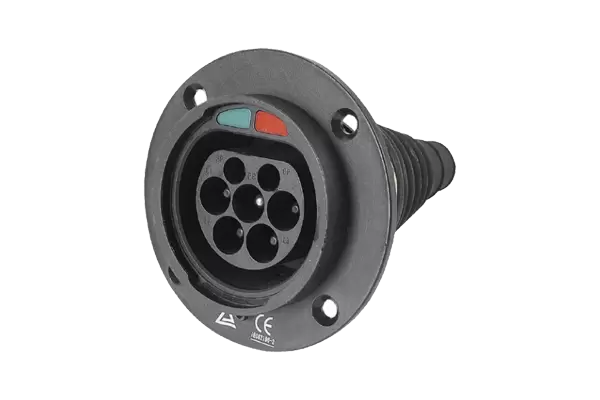
As electric vehicle production expands across different markets, choosing the right charging components has become an important part of vehicle development and charging equipment manufacturing. Among the components used in AC charging systems, the Type 2 vehicle inlet and Type 2 charging connector are closely related, but they serve different purposes.
For manufacturers, distributors, and OEM buyers, understanding this distinction is essential when sourcing charging components. Ordering the wrong part can affect assembly planning, product compatibility, and project schedules. Working with a supplier that offers clearly defined product options and relevant technical information can make the purchasing process more efficient.
Zhangjiagang UCHEN New Energy Technology Co., Ltd., known as Youcheng Technology (stock code: 873087), focuses on developing and promoting high-performance charging products for new energy vehicles. Through its DUOSIDA product range, the company provides charging components for different EV applications.
This article explains the differences between Type 2 vehicle inlets and charging connectors, highlights the product options available from DUOSIDA, and outlines what buyers should consider when selecting a charging component supplier.
1. Type 2 Vehicle Inlet and Charging Connector: Two Different Components
Although both components use the Type 2 charging interface, they are installed in different parts of the charging system.
A Type 2 vehicle inlet is mounted on the electric vehicle. It forms the vehicle-side connection point for an external AC charging cable. Its design must suit the vehicle's mounting structure, electrical architecture, and charging-port layout.
A Type 2 charging connector, by comparison, is the plug attached to a charging cable or charging equipment. It is inserted into the vehicle inlet to establish the physical connection required for charging.
This distinction matters in component sourcing. An EV manufacturer developing a vehicle normally needs a suitable inlet, while a charging cable or charging equipment manufacturer may need a connector.
The two components must work together, but they are not interchangeable. Buyers should identify the required component before comparing product specifications or requesting samples.
2. Why the Correct Component Matters for OEM Projects
For OEM projects, charging components need to meet defined electrical, mechanical, and installation requirements. The selection process should begin with the intended application rather than a product name alone.
Vehicle manufacturers should confirm the inlet's mounting dimensions, current rating, electrical connection arrangement, and environmental requirements. These details influence how the component fits into the vehicle and connects with the onboard charging system.
Charging cable and equipment manufacturers have a different set of priorities. They need to verify the connector's interface compatibility, cable configuration, rated current, and suitability for the intended equipment.
In both cases, clear product identification is important. Similar names do not guarantee identical specifications, and products within the same category may have different current ratings or construction details.
For suppliers serving international customers, providing clearly identified product options and accurate technical information helps buyers narrow down suitable models before moving to sample evaluation or production planning.
3. DUOSIDA Type 2 AC Vehicle Inlet Product Options
DUOSIDA offers Type 2 AC vehicle inlet products for EV charging applications, including models with different listed current options.
Buyers can review the following product pages:
These product options provide a starting point for vehicle manufacturers evaluating Type 2 AC inlets for different project requirements.
When comparing the models, buyers should check the exact product specifications rather than assuming that all versions share the same configuration. The appropriate choice depends on the vehicle's charging design, the required current rating, installation constraints, and applicable technical requirements.
A practical procurement process should include reviewing the product documentation, confirming the model designation, and checking that the selected configuration matches the intended vehicle application.
For OEM customers developing new vehicle platforms or revising existing designs, this early technical review can help reduce the risk of selecting a component that does not fit the project's requirements.
4. Type 2 Charging Connectors for Cable and Equipment Manufacturers
The vehicle inlet is only one side of the charging connection. Manufacturers producing charging cables or charging equipment also need connectors that match the intended Type 2 interface and electrical requirements.
DUOSIDA lists a Type 2 AC Vehicle Connector with 16A/20A/32A options.
Unlike the vehicle inlet, this connector is intended for the cable or equipment side of the charging connection. Buyers evaluating this product should confirm its cable termination requirements, rated current, mechanical design, and compatibility with the intended charging assembly.
For charging equipment developers, choosing the correct connector helps align the cable assembly with the target vehicle interface. The connector, cable, and charging equipment must still be evaluated as a complete system.
Having access to both vehicle-side inlet information and connector-side product information is useful for buyers who work across several parts of the EV charging supply chain. It helps teams identify the right component category before moving into detailed technical discussions.
5. What to Look for When Sourcing Type 2 Charging Components
Selecting a charging component supplier involves more than comparing product names. Buyers should consider whether the supplier can provide the information needed for product evaluation, project coordination, and ongoing procurement.
Clear product specifications
Technical documentation should identify the product model and its relevant electrical and mechanical characteristics. Buyers should verify current ratings, dimensions, connection requirements, and applicable protection information against the exact model.
If a project requires several current ratings, each configuration should be reviewed separately. This helps avoid assumptions based on specifications from a different variant.
Support for technical evaluation
Before approving a component, buyers may need dimensional drawings, installation details, and available test documentation. These materials help engineering teams evaluate compatibility and prepare for integration.
The ability to clarify product differences is particularly useful when a project involves several vehicle variants or charging equipment configurations.
Consistent model identification
Clear model identification supports communication between purchasing, engineering, quality, and production teams. Buyers should confirm the product designation and relevant documentation when requesting samples and placing orders.
Where a project requires repeat purchases, the approved model and configuration should be recorded so that subsequent orders can be checked against the original requirements.
Communication during the purchasing process
International B2B projects often involve multiple departments and technical questions. Providing the supplier with the intended application, target current rating, installation requirements, and project schedule helps establish a more focused discussion.
These factors give buyers a practical basis for evaluating a supplier beyond the initial product inquiry.
6. Why Product Range Matters to EV Charging Buyers
Different customers have different sourcing needs. A vehicle manufacturer may focus on vehicle-mounted inlets, while a charging cable producer may need cable-side connectors. Other buyers may source multiple types of charging components for different projects.
A supplier with a broader EV charging product portfolio can make it easier for customers to explore related product categories through one company. However, each product still needs to be evaluated according to its own application and technical specifications.
The DUOSIDA website provides access to a range of EV charging products, including charging sockets, charging plugs, high-power charging products, NACS products, vehicle outlet sockets, and high-voltage connectors.
For buyers, this range offers an entry point for reviewing components across different charging applications. The next step is to identify the exact product required and verify its suitability with the supplier's technical information.
You can explore the DUOSIDA official website to review the available product categories and identify components relevant to your project.
7. Youcheng Technology and DUOSIDA: Supporting EV Charging Component Sourcing
Zhangjiagang UCHEN New Energy Technology Co., Ltd. (Youcheng Technology, stock code: 873087) focuses on the development and market promotion of high-performance charging products for new energy vehicles.
For B2B customers, the company's DUOSIDA website provides product information that can support initial sourcing research. Buyers evaluating Type 2 charging components can start with the specific product pages for Type 2 AC vehicle inlets and the Type 2 AC vehicle connector.
When making an inquiry, customers should state whether they require a vehicle-side inlet or a cable-side connector. It is also helpful to provide the required current rating, intended application, installation constraints, and any project-specific documentation requirements.
This information gives the supplier a clearer understanding of the request and helps both parties determine which product details need to be confirmed before sample evaluation or purchasing.
For manufacturers and distributors building long-term sourcing relationships, accurate product identification and clear technical communication are practical foundations for efficient cooperation.
Conclusion
The Type 2 vehicle inlet and Type 2 charging connector work together in an AC charging system, but they serve different roles. The inlet is installed on the vehicle, while the connector is attached to the charging cable or equipment.
For OEM manufacturers, the priority is to select a vehicle inlet that meets the project's electrical and installation requirements. For charging cable and equipment manufacturers, connector compatibility and cable assembly requirements are central to product selection.
DUOSIDA's Type 2 AC vehicle inlet and connector product pages provide a starting point for buyers researching these components. By confirming the required component type, reviewing the specifications for the exact model, and communicating project requirements clearly, businesses can make more informed sourcing decisions for their EV charging applications.
https://www.duosidaev.com/
Zhangjiagang UCHEN New Energy Technology Co., Ltd.