How Denim Flocking is Revolutionizing Garment Design
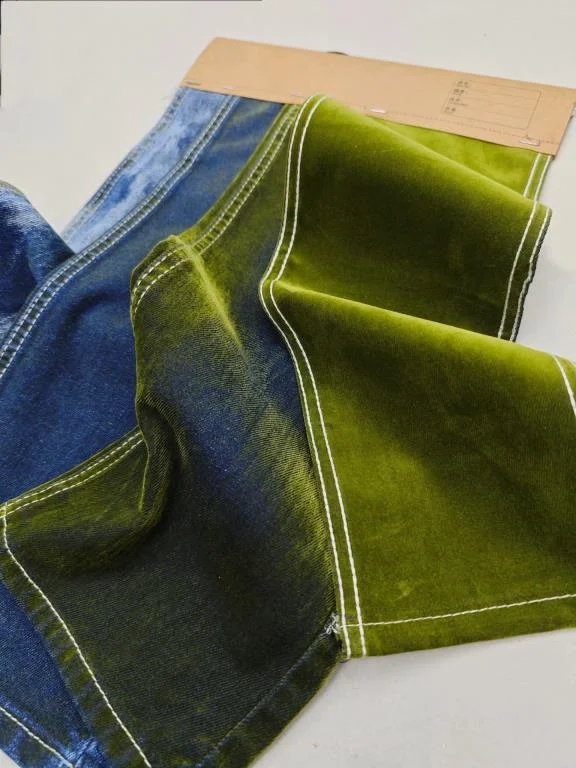
Denim has maintained its position as one of the most influential fabrics in the global fashion industry for decades. Originally associated with durable workwear, it has gradually become an essential material in casual clothing, luxury collections, and contemporary streetwear. Continuous improvements in textile processing, dyeing techniques, and surface finishing have allowed denim to evolve with changing fashion trends.
Among the latest textile innovations, denim flocking is attracting increasing attention from designers and apparel manufacturers. By introducing distinctive surface textures and three-dimensional decorative effects, this technology gives conventional denim a fresh appearance and a more sophisticated feel. It also provides fashion brands with additional opportunities to develop original garment designs and differentiate their products.
As consumers increasingly appreciate personalized clothing, innovative textures, and environmentally responsible materials, denim flocking is becoming an interesting option for the next generation of denim fashion.
Understanding the Denim Flocking Process
Denim flocking is a textile surface treatment in which small fiber particles, commonly called flock fibers, are attached to denim using specialized adhesives and electrostatic application technology. During production, the fibers are deposited onto selected areas of the fabric and positioned vertically, producing a soft, velvety surface.
Compared with conventional textile printing or surface coating, flocking creates a more noticeable three-dimensional effect. It changes not only the visual appearance of denim but also its texture and touch, making the finished fabric more distinctive.
Some important characteristics of flocked denim include:
-
A smooth, soft surface with a velvet-like feel
-
Improved visual dimension and decorative texture
-
Reliable fiber attachment when properly processed
-
Flexible pattern and graphic design possibilities
-
Compatibility with printing, embossing, and laser finishing techniques
Through this finishing method, manufacturers can transform ordinary denim into a more creative textile material suitable for different fashion applications.
Why Denim Flocking Is Becoming a Fashion Trend
1. Creating More Interesting Textile Textures
In an increasingly competitive fashion market, designers need new ways to refresh traditional fabrics. Although denim already offers a recognizable appearance, standard weaving and washing processes may not always provide enough visual variety.
Flocking introduces an additional textural element that makes denim more visually engaging and pleasant to touch.
For example, manufacturers can use this technique to produce:
-
Decorative velvet stripes on denim jackets
-
Raised floral or geometric patterns on jeans
-
Textured brand logos for streetwear collections
-
Soft decorative sections on skirts and fashion coats
These creative details help transform basic denim garments into distinctive fashion products with stronger visual appeal.
2. Providing Greater Design Flexibility
Traditional denim decoration mainly involves garment washing, fading, distressing, dyeing, and printing. While these methods remain popular, they may limit designers who want to achieve more unusual surface effects.
Denim flocking expands the available design options by allowing fibers to be applied in specific patterns and locations. This makes it possible to develop more detailed and personalized fabric designs.
Popular design applications include:
-
Repeated geometric arrangements
-
Floral and botanical patterns
-
Artistic and abstract graphics
-
Gradient-inspired decorative effects
-
Customized logos and brand identification
Flocking can also be combined with embroidery, screen printing, or laser processing. Combining different techniques creates layered surface effects that help fashion brands develop recognizable product styles.
3. Connecting Streetwear With Premium Fashion
The distinction between everyday streetwear and luxury fashion has become less obvious in recent years. Many brands are experimenting with materials and finishing methods that combine casual styling with more sophisticated details.
Flocked denim fits naturally into this development. For example, a denim jacket featuring velvet-textured shoulder panels or decorative flocked graphics can maintain the traditional denim appearance while delivering a more premium visual experience.
This combination of familiar fabric characteristics and innovative surface treatments makes flocking attractive to brands targeting consumers who value individuality and modern fashion design.
Key Manufacturing Technologies Used in Denim Flocking
Producing high-quality flocked denim involves several carefully controlled manufacturing procedures. Each stage contributes to the final appearance, fiber attachment, and overall performance of the material.
Fabric Preparation
Before flocking begins, denim needs to be properly cleaned and prepared. Dust, oil, chemical residues, and other surface contaminants may interfere with adhesive performance.
Appropriate surface preparation helps create more consistent bonding conditions and reduces the possibility of uneven flock coverage.
Adhesive Coating and Application
After preparation, a specially formulated adhesive is applied to the designated sections of the denim fabric. The adhesive plays a central role in determining how firmly the flock fibers remain attached.
Its formulation must also be compatible with the fabric's flexibility and intended end-use requirements.
Electrostatic Fiber Application
Electrostatic technology is used to transfer short fibers onto the adhesive-coated surface. The flock particles receive an electrical charge before being directed toward the fabric.
The electrostatic force helps position the fibers upright, producing the characteristic soft and uniform texture associated with flocked materials.
Drying and Adhesive Curing
Once the flock fibers have been applied, the material passes through a controlled heating process. This allows the adhesive to cure and securely hold the fibers in position.
Proper temperature and processing time are important for improving adhesion performance and maintaining the appearance of the flocked surface during regular garment use and washing.
Additional Surface Finishing
Depending on the required specifications, further treatments may be performed after curing. These can include brushing, trimming, lamination, and protective coating.
Professional flocking manufacturers often combine several finishing technologies to achieve the required texture, appearance, and production consistency.
Sustainable Materials and Environmental Considerations
Sustainability has become an important consideration throughout the fashion and textile supply chain. Traditional denim manufacturing can involve substantial water consumption, chemical processing, and energy use. As a result, apparel brands are paying greater attention to material selection and production methods.
Modern flocking solutions are also developing toward the use of recycled fibers and more sustainable raw materials. Depending on the material composition and manufacturing process, these alternatives can help textile manufacturers meet specific environmental requirements.
Huizhou Baolongxing Flocking Co., Ltd. is a professional manufacturer specializing in recyclable and sustainable materials, with certifications under international systems such as ISCC and GRS.
The company provides import, export, and processing services through major ports in China, Hong Kong, and Vietnam. Its manufacturing infrastructure includes:
-
Professional dyeing and textile finishing equipment
-
Multiple advanced flocking production lines
-
Comprehensive post-processing facilities
-
Adhesive coating and lamination production lines
-
Precision slitting and material processing equipment
With these integrated production resources, the company can support different manufacturing requirements and provide comprehensive processing services for textile suppliers, garment factories, and fashion brands.
For more information about the material characteristics and manufacturing applications of this technology, visit the denim flocking technology page.
Where Denim Flocking Is Used in Garment Manufacturing
Flocked denim is gradually finding applications beyond specialized designer products. Its combination of decorative appearance and distinctive texture makes it suitable for different clothing categories and fashion accessories.
Denim Jackets
Denim jackets provide an excellent surface for decorative flocking applications. Manufacturers can apply flocked patterns to the back, sleeves, shoulders, or front panels to create eye-catching designs.
Brand logos, artistic graphics, and velvet-like decorative sections are common options for developing distinctive jacket collections.
Jeans and Denim Trousers
For jeans and trousers, flocking can be strategically positioned around pockets, side seams, knee areas, or other selected sections.
These decorative treatments introduce additional texture without requiring major changes to the original denim construction. Careful design and material selection can also help maintain garment flexibility and wearing comfort.
Streetwear and Hybrid Apparel
The growing popularity of mixed-material clothing has created more opportunities for flocking technology.
Designers can incorporate flocked denim sections into hoodies, sweatshirts, and other hybrid garments. Combining different fabric structures and surface treatments produces more complex visual effects that appeal to consumers interested in contemporary streetwear.
Fashion Accessories
Beyond clothing, flocking can also enhance the appearance of denim-based accessories, including:
-
Denim handbags and fashion bags
-
Baseball caps and other headwear
-
Decorative footwear components
-
Customized textile patches
These applications demonstrate the versatility of flocking technology across different fashion product categories.
Business Benefits of Denim Flocking for Apparel Brands
For clothing manufacturers and fashion businesses, incorporating flocking into denim products can create several commercial advantages.
Stronger Product Differentiation
The denim market contains a wide variety of similar-looking products. Introducing distinctive surface textures allows brands to establish a recognizable visual identity and offer something different from conventional denim collections.
Higher Perceived Product Value
Textured surfaces and velvet-like finishes can make garments appear more sophisticated. When incorporated into well-designed products, flocking may improve their perceived quality and create opportunities for premium product positioning.
Flexible Manufacturing Applications
Flocking technology can support different production requirements, from limited-edition fashion collections to larger commercial manufacturing orders.
This flexibility allows brands to test new designs and adjust production according to market demand.
Integration With Other Textile Treatments
Another advantage is its compatibility with various fabric decoration and finishing methods, such as:
-
Laser fading and distressing
-
Screen and digital printing
-
Decorative embroidery
-
Textile lamination
-
Surface coating treatments
Combining these processes gives designers greater freedom to develop distinctive fabric appearances and multi-dimensional decorative effects.
Common Challenges and Quality Control Requirements
Although denim flocking offers considerable design potential, maintaining consistent product quality requires careful control over materials and manufacturing conditions.
Flock Adhesion and Washing Performance
One of the most important quality considerations is the bonding strength between the flock fibers and denim surface.
If the adhesive is unsuitable or the curing process is insufficient, fibers may gradually detach during washing or repeated use. Manufacturers should therefore select compatible adhesives and conduct appropriate durability tests before mass production.
Compatibility With Different Denim Fabrics
Denim materials vary in thickness, weave construction, fiber composition, and surface finishing. These differences can influence adhesive penetration and flocking performance.
Manufacturers need to evaluate the fabric structure before determining the appropriate processing parameters.
Pattern Accuracy and Surface Uniformity
For garments with detailed graphics or customized decorative patterns, precise flock placement is essential.
Uneven fiber distribution, inconsistent flock density, or pattern misalignment can negatively affect the finished product. Advanced production equipment and experienced technical personnel help minimize these problems and improve manufacturing consistency.
Future Development Trends in Denim Flocking
As textile technology continues to advance, denim flocking is expected to offer even more possibilities for garment manufacturers and fashion designers.
Several developments may influence its future applications.
Greater Use of Sustainable Fibers
Recycled fibers and environmentally responsible raw materials are receiving increased attention. Their development may provide additional options for brands seeking to improve the sustainability of their textile products.
Digital Design and Production Integration
Modern digital design software makes it easier to develop complex patterns and accurately plan flocking positions. Better integration between digital design and manufacturing equipment can improve production precision and support more customized fabric designs.
Combination With Innovative Textile Technologies
Flocking may increasingly be combined with other advanced textile treatments, including reflective coatings, functional finishes, and performance materials.
These combinations could create fabrics that offer both decorative and functional characteristics.
Personalized Designs and Small-Batch Manufacturing
Consumer interest in customized fashion continues to encourage brands to explore flexible production models.
Flocking technology can support distinctive patterns, customized logos, and limited-edition designs, helping manufacturers respond to changing consumer preferences.
As these technologies develop, flocked denim may become an increasingly valuable material option for brands looking to combine creativity, texture, and manufacturing flexibility.
Conclusion
Denim has remained an important part of the fashion industry because of its ability to adapt to new styles, technologies, and consumer preferences. From traditional workwear to contemporary designer collections, its evolution has never stopped.
Denim flocking introduces another dimension to this development by adding soft textures, raised patterns, and distinctive decorative effects to conventional denim fabrics. It gives designers more freedom to experiment with surface treatments while helping apparel brands create products with stronger visual identities.
With continued improvements in flocking equipment, adhesive technology, and sustainable fiber materials, this textile finishing method is expected to find broader applications in future garment manufacturing.
For fashion brands and textile manufacturers seeking innovative ways to enhance denim products, denim flocking offers an effective approach to combining traditional fabric characteristics with modern design possibilities.
www.blxflocking.com
Huizhou Baolongxing Flocking Co., Ltd.