
5 Critical Factors to Consider When Choosing a Circular Connector
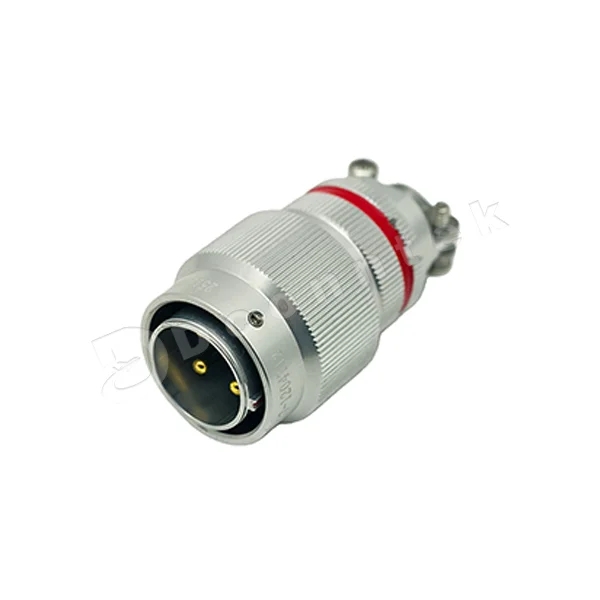
5 Key Considerations When Selecting Circular Connectors for Demanding Applications
Circular connectors are essential components in industries where dependable power and signal transmission is critical. They are widely used in fields such as industrial automation, robotics, aerospace, transportation, medical equipment, and other environments that demand durability and consistent performance.
However, selecting the right circular connector involves far more than simply matching specifications like pin count or voltage rating. In real-world applications, connectors must withstand vibration, moisture, temperature fluctuations, chemical exposure, and limited installation space. An unsuitable choice can lead to unstable connections, increased maintenance challenges, and even unexpected system failures.
Below are five essential factors engineers and sourcing teams should evaluate when choosing circular connectors, based on practical application experience.
1. Environmental Conditions and Protection Levels
The operating environment is the first and most critical factor in connector selection. Circular connectors are often preferred because they offer superior performance in harsh conditions compared to other connector types.
Important questions to consider include:
-
Will the connector be exposed to water, dust, oil, or chemicals?
-
Is it used indoors, outdoors, or in submerged conditions?
-
What temperature range will it experience during operation and storage?
-
Will it be exposed to UV radiation or corrosive elements like salt spray?
Ingress Protection (IP) ratings are key indicators of environmental resistance. For instance, connectors rated IP67 or IP68 are commonly used in outdoor or heavy-duty environments where protection against dust and water is essential.
Material selection also plays a vital role. Connector housings can be made from aluminum, stainless steel, or high-grade plastics, each offering different advantages in terms of weight, corrosion resistance, and cost. Similarly, sealing materials such as silicone or fluorocarbon rubber must be compatible with the surrounding environment.
Manufacturers like Dconntek focus on designing connectors specifically for harsh conditions, ensuring that sealing performance, materials, and structural integrity meet real-world demands.
2. Electrical Performance and Signal Reliability
Electrical performance is not limited to basic voltage and current ratings. Modern systems often require connectors to handle a combination of power, control signals, and high-speed data transmission.
Key electrical factors include:
-
Rated current and voltage per contact
-
Contact resistance and plating materials
-
Insulation resistance
-
Signal integrity for high-frequency applications
-
Shielding effectiveness against EMI/RFI interference
In data-sensitive applications such as sensors, Ethernet, or CAN bus systems, poor connector design can lead to noise interference, crosstalk, or signal degradation. Therefore, proper shielding, contact arrangement, and termination methods are essential.
For power transmission, connectors may require larger contacts, higher thermal tolerance, and enhanced insulation to handle continuous loads safely.
Dconntek works closely with clients to determine whether connectors are intended for power, signal, or hybrid use, and customizes contact configurations accordingly to ensure optimal performance.
3. Mechanical Structure and Mating Stability
One of the key advantages of circular connectors is their secure and reliable mating mechanisms, which are crucial in environments subject to vibration, shock, or frequent movement.
Common locking systems include:
-
Threaded coupling
-
Bayonet locking
-
Push-pull mechanisms
Threaded connectors offer excellent resistance to vibration and are widely used in industrial and military settings. Bayonet locking provides faster connection with reliable retention, while push-pull designs are ideal for applications requiring quick and frequent mating.
Other mechanical considerations include:
-
Mating cycle life
-
Resistance to vibration and mechanical shock
-
Cable strain relief
-
Anti-misalignment features
In dynamic environments such as robotics or transportation systems, cables are constantly subjected to movement and stress. Without proper strain relief or robust mechanical design, connectors can fail prematurely even if their electrical performance is adequate.
This is why integrated solutions that combine connectors with cable assemblies are often more reliable. Companies like Dconntek optimize the entire interconnection system rather than treating connectors and cables as separate components.
4. Customization and Application Compatibility
Standard connectors may meet general requirements, but many applications demand tailored solutions. Customization can involve adjustments to pin configuration, housing size, cable length, overmolding, or labeling.
Customization is particularly important when:
-
Installation space is limited
-
Multiple signal types must be integrated
-
Compatibility with existing equipment is required
-
Faster installation or maintenance is needed
For example, customized pin layouts can simplify wiring, while molded cable assemblies can enhance sealing and durability compared to field-assembled options. Unique keying designs can also prevent incorrect connections during operation or servicing.
Dconntek emphasizes collaborative development with customers, enabling engineers to create connectors and cable assemblies that precisely match their application requirements instead of adapting to standard products.
For more information on solutions designed for demanding environments, visit:
<a href="https://www.dconntek.com/Circular-Connector">Circular Connector Solutions</a>
5. Supplier Expertise and Delivery Reliability
Beyond the product itself, the capabilities of the supplier play a crucial role in long-term success. Consistent quality, reliable delivery, and strong technical support are essential for maintaining system performance.
Key factors to evaluate include:
-
Engineering support and application expertise
-
Quality assurance systems and testing capabilities
-
Production scalability without compromising quality
-
Stable lead times and responsiveness
-
Experience with harsh-environment applications
In industries such as automation, transportation, and energy, delays or quality issues can disrupt entire operations. A responsive and knowledgeable supplier adds significant value by supporting design optimization and ensuring timely delivery.
Dconntek is recognized for its expertise in designing and manufacturing customized connector and cable solutions for demanding environments. By collaborating closely with customers from initial design to mass production, the company ensures high standards in quality, service, and delivery performance.
Conclusion
Selecting the right circular connector is a critical decision that directly affects system reliability, performance, and maintenance costs. By carefully evaluating environmental conditions, electrical requirements, mechanical design, customization needs, and supplier capabilities, engineers can minimize risks and enhance system durability.
In complex and demanding applications, working with a supplier that offers both technical expertise and customization flexibility can make a substantial difference. Successful connector selection is not just about specifications—it is about understanding real-world conditions and developing solutions tailored to them.
www.dconntek.com
Dconntek