
Blue Aluminum Air Pipe Solutions Shaping Compressed Air Systems
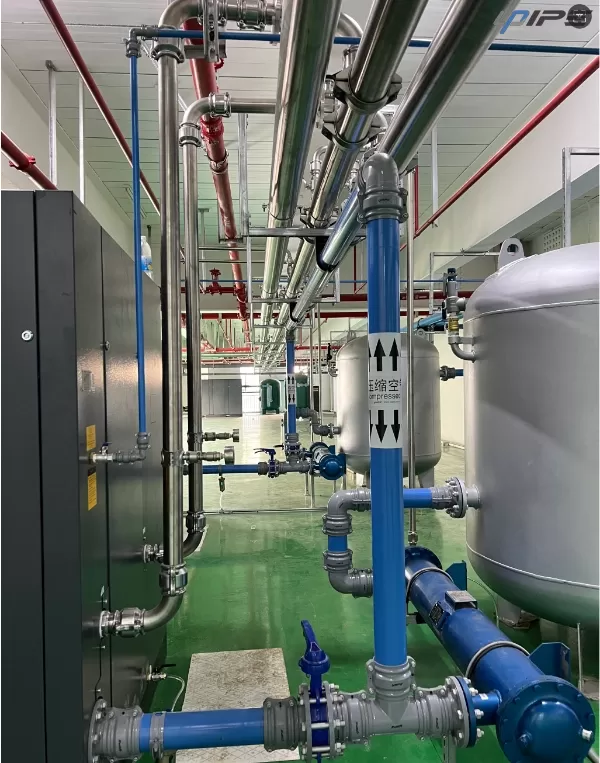
A well-designed compressed air infrastructure depends on more than just the compressor itself—piping materials play an equally decisive role in pressure stability, energy efficiency, and long-term reliability. In this blog post, as one of the high quality aluminum air pipe suppliers, UPIPE will share the advantages of blue aluminum air pipe solutions for compressed air systems, which have become the preferred choice for industries seeking durability, stable performance, and clearer visual control of their air distribution networks.
Why Blue Aluminum Air Pipe in Compressed Air System Design Matters
In modern manufacturing, the selection of compressed air pipelines is no longer a simple cost decision. Traditional black steel, galvanized steel, and copper lines face challenges such as corrosion, heavy weight, internal scaling, and complicated installation procedures.
Using a blue aluminum air pipe in compressed air system addresses these concerns by combining lightweight construction with corrosion-free performance, ensuring stable long-term operation.
The blue-colored external coating enhances visibility inside industrial workshops, making layout identification and maintenance quicker and safer. This color coding also reduces the potential for misconnection with other utilities, ensuring accurate management of air distribution.
Structure and Material Advantages of Aluminum Air Piping
The engineering benefits of aluminum piping stem from its precise alloy composition and manufacturing methods. High-grade aluminum alloys create a rigid yet lightweight structure that resists deformation during high-pressure operation.
Corrosion-Free Internal Surface
Unlike iron-based pipes, the smooth internal bore of aluminum does not accumulate rust or metal flakes. This characteristic contributes to consistent airflow, minimizing pressure drops and reducing the risk of contaminants entering downstream equipment.
Lightweight and High Strength
The material strength-to-weight ratio of aluminum enables easier overhead installation. Technicians can maneuver long pipe segments without heavy lifting equipment, reducing installation time and labor costs.
Leak-Resistant Connections
Most aluminum piping systems utilize quick-connect fittings designed to maintain airtight sealing. This reduces air loss—a major energy drain in typical facilities—and improves the overall efficiency of the compressed air network.
Exploring Blue Aluminum Piping for Compressed Air Networks
As factories scale production, the demand for clean, stable compressed air increases. Using blue aluminum piping for compressed air networks ensures that airflow remains consistent across long distances and multiple branches.
Stable Air Pressure Delivery
Aluminum’s rigidity prevents sagging or bending, which helps maintain uniform pressure. This stability supports demanding applications such as pneumatic robotics, CNC equipment, and precise instrumentation.
Contamination Prevention
Unlike plastic pipes that may release particles under high temperatures, aluminum preserves air purity. This is particularly beneficial in food processing, medical device manufacturing, and electronics production.
Comparing Aluminum Air Pipes with Other Compressed Air Pipeline Materials
To understand why many factories are shifting to aluminum, it helps to compare it with commonly used alternatives.
Steel Piping
Steel remains strong but suffers from corrosion, heavy weight, and long installation times. Internal scaling leads to gradual pressure loss and higher energy consumption.
Copper Piping
Copper offers excellent corrosion resistance but is significantly more expensive. Large projects using copper often exceed practical budgets.
Plastic Piping
Certain plastics are lightweight and easy to install but have temperature and pressure limitations. They are unsuitable for high-demand industrial environments.
The blue aluminum air pipe in compressed air system stands out as a balanced solution—strong, clean, energy-efficient, and easier to maintain.
Key Engineering Benefits of Using Blue Aluminum Air Pipe in Facility Upgrades
When upgrading older workshops, aluminum piping provides several advantages that directly impact operational performance.
Reduced Pressure Drop
The smooth interior surface ensures minimal friction, maintaining higher pressure at point-of-use. This leads to more stable tool performance and lowers compressor workload.
Lower Energy Consumption
Less pressure loss means compressors do not need to overcompensate. Facilities typically experience notable savings in electricity costs once the new system is installed.
Future-Proof Scalability
Aluminum air piping supports easy expansion. Plants can add new lines, branches, or tools without requiring complete system reconstruction.
Installation Guidelines for Aluminum Air Piping Systems
Proper installation is essential to achieving peak performance from an aluminum compressed air network. The following practices support long-term reliability.
Plan Pipeline Routing Carefully
Identify compressor locations, main trunk lines, and usage points. Aluminum allows flexibility in designing efficient, loop-style networks that promote balanced pressure distribution.
Maintain Correct Slope and Drainage
Although aluminum does not rust, condensation can still form. Ensuring proper slopes allows moisture to flow toward drain points instead of entering pneumatic tools.
Use Approved Fittings
Only manufacturer-recommended quick-connect fittings should be used to guarantee airtight performance. Substituting mixed-material fittings may compromise sealing integrity.
Pressure-Test Before Operation
A thorough leak test confirms that all joints and connections are securely tightened. This step ensures optimal efficiency from the first day of use.
Blue Aluminum Air Pipe Systems in Large Industrial Facilities
Large facilities benefit greatly from the consistent performance of aluminum piping. Here are some common application scenarios.
Automotive Manufacturing
Robotic assembly lines depend on stable pneumatic supply. Aluminum piping ensures precise airflow for tools such as air wrenches, painting systems, and automated lifting equipment.
Electronics Factories
Air purity is critical. The contamination-free nature of aluminum helps maintain clean working environments that support sensitive assembly processes.
Food and Beverage Plants
Because aluminum does not corrode or release contaminants, it supports hygienic air transportation for packaging, sorting, and pneumatic conveying.
Pharmaceutical Production
The consistent quality of air delivered through aluminum lines helps maintain production accuracy for high-purity applications.
Sustainability Considerations for Aluminum Air Pipe Installations
Businesses are increasingly prioritizing environmental impact. Aluminum supports sustainable facility operations in several ways.
Recyclability
Aluminum is highly recyclable with no loss in structural integrity. End-of-life piping systems can be repurposed, supporting a circular economy model.
Lower Carbon Footprint
Lighter materials reduce transportation emissions. Additionally, energy savings from reduced air leaks contribute to long-term sustainability goals.
Longevity
The long service life of aluminum reduces the frequency of replacements, minimizing waste generation and maintenance downtime.
Choosing the Right Blue Aluminum Piping for Your Compressed Air System
Selecting the appropriate aluminum piping requires evaluating several technical factors:
-
Operating pressure range
-
Diameter and flow requirements
-
Environmental temperature conditions
-
Compatibility with existing compressors and dryers
-
Length of pipeline routing
A structured evaluation ensures that the chosen blue aluminum air pipe in compressed air system meets long-term operational demands.
Common Questions About Aluminum Piping in Compressed Air Systems
Is aluminum suitable for high-pressure industrial applications?
Yes. Many aluminum piping systems are rated for pressures exceeding standard industrial requirements and can handle both continuous and peak loads.
Will aluminum piping handle exposure to oils or chemicals?
Aluminum is compatible with most lubricated compressed air outputs. External coatings provide additional environmental resistance.
How long does aluminum compressed air piping typically last?
With proper installation, it can operate for decades without corrosion-related deterioration.
Can aluminum piping be used outdoors?
Most systems include UV-resistant coatings, making them suitable for protected outdoor environments when supported by proper mounting hardware.
Final Thoughts on Upgrading to Blue Aluminum Air Pipe Solutions
The shift toward blue aluminum air pipe in compressed air system design represents a meaningful step forward for industrial environments prioritizing efficiency, cleanliness, and manageable long-term costs. Its combination of corrosion resistance, lightweight installation, energy-saving airflow, and visual clarity makes it a future-ready choice for new construction and facility upgrades.
Manufacturers across sectors are adopting aluminum piping not merely for its initial convenience but for its sustained performance benefits—ensuring that every cubic meter of compressed air is delivered with greater reliability and lower energy loss.
https://www.upipetech.com/industry/blue-aluminum-air-pipe-solutions-shaping-compressed-air-systems.h
UPIPE