How Energy Saving Passenger Elevators Reduce Building Operating Costs
In today's construction industry, energy efficiency has become a fundamental part of modern building design. It affects not only long-term operating expenses but also environmental performance, building value, and occupant satisfaction. Although elevators are essential for vertical transportation, their energy consumption is sometimes underestimated. In commercial buildings, residential complexes, and high-rise developments with frequent passenger traffic, elevator systems can contribute considerably to overall electricity usage.
Energy-saving passenger elevators offer an effective way to improve building energy performance while maintaining reliable and comfortable transportation. By adopting efficient motor technology, regenerative drives, intelligent dispatching, and optimized mechanical structures, modern elevator systems can reduce electricity consumption and help building owners manage operating costs more effectively.
Why Traditional Passenger Elevators Consume More Energy
Conventional elevator systems may rely on less efficient motors, outdated control technologies, and equipment that continues drawing power when the elevator is not operating. Because elevators often run throughout the day, even small inefficiencies can lead to considerable energy waste over time.
Several common factors contribute to excessive energy consumption:
-
Energy loss during braking: Traditional braking systems may convert excess mechanical energy into heat rather than recovering it for reuse.
-
Limited energy recovery: Without regenerative technology, certain operating conditions create energy losses that could otherwise be reduced.
-
High standby consumption: Cabin lighting, ventilation fans, and electronic components may continue using electricity during periods of inactivity.
-
Inefficient elevator scheduling: Poor dispatching strategies can result in unnecessary stops, additional trips, and excessive idle movement.
-
Outdated cabin equipment: Older lighting and ventilation systems may consume more power than modern alternatives.
For property developers and facility managers, these issues represent opportunities to improve energy performance. Across apartment buildings, hotels, shopping centers, and office towers, upgrading to energy-efficient elevator systems can help lower electricity expenses and improve the long-term economics of building operation.
Key Technologies That Improve Elevator Energy Efficiency
Modern energy-saving passenger elevators combine multiple technologies to reduce power consumption during movement, waiting periods, and daily operation. The following features play important roles in improving overall system efficiency.
1. Regenerative Energy Recovery
Regenerative drive technology is one of the most effective ways to reduce energy waste in elevator operation.
When an elevator travels downward with a relatively heavy load or upward with a relatively light load, the drive system can generate electrical energy under suitable operating conditions. Instead of dissipating all this energy as heat, a regenerative drive converts it into electricity that can be returned to the building's electrical network for use by other equipment.
This technology is particularly valuable in buildings with frequent elevator movements, where suitable operating conditions occur regularly. By recovering otherwise wasted energy, regenerative systems can reduce the amount of electricity drawn from the grid.
2. Gearless Permanent Magnet Synchronous Motors
Many modern energy-efficient elevators use gearless permanent magnet synchronous motors (PMSMs). Compared with conventional geared drive systems, these motors can offer improved energy performance and smoother mechanical operation.
Their main advantages include:
-
Higher drive efficiency under appropriate operating conditions
-
Reduced mechanical friction and transmission losses
-
Quieter operation and improved ride comfort
-
Fewer gearbox-related maintenance requirements
Because gearless systems eliminate the conventional gearbox, they can reduce mechanical complexity and energy losses. Actual performance depends on motor sizing, elevator configuration, load conditions, and the quality of the overall drive system.
3. Intelligent Elevator Control and Dispatching
Intelligent control systems improve elevator efficiency by coordinating car movements according to passenger demand.
Rather than treating every elevator call independently, advanced dispatching algorithms can group passengers traveling in similar directions and assign elevators more efficiently. This helps reduce unnecessary stops, avoid duplicated trips, and improve the use of available elevator capacity.
In office buildings, hotels, and other high-traffic facilities, intelligent scheduling can be especially beneficial during morning arrivals, lunch breaks, and evening departures. Better traffic management may also reduce passenger waiting times while limiting unnecessary elevator movements.
4. Automatic Standby and Power-Saving Functions
Elevators do not need to operate all cabin systems at full power when no passengers are present. Energy-saving control functions can automatically reduce the power consumption of selected components during periods of inactivity.
Typical measures include:
-
Switching off or dimming cabin lighting when appropriate
-
Using energy-efficient LED lighting
-
Reducing ventilation fan operation when the cabin is unoccupied
-
Placing compatible electronic components into low-power standby modes
These functions help eliminate avoidable electricity consumption without interfering with essential safety systems or operational readiness.
5. Lightweight Materials and Optimized Cabin Structures
Elevator car weight influences the load handled by the drive system. A carefully optimized cabin structure can reduce unnecessary weight while maintaining the required strength, durability, and safety performance.
Manufacturers may use lightweight structural materials, improved component layouts, and efficient cabin configurations to minimize excess mass. Interior finishes also contribute to the total car weight, making material selection an important consideration during the design process.
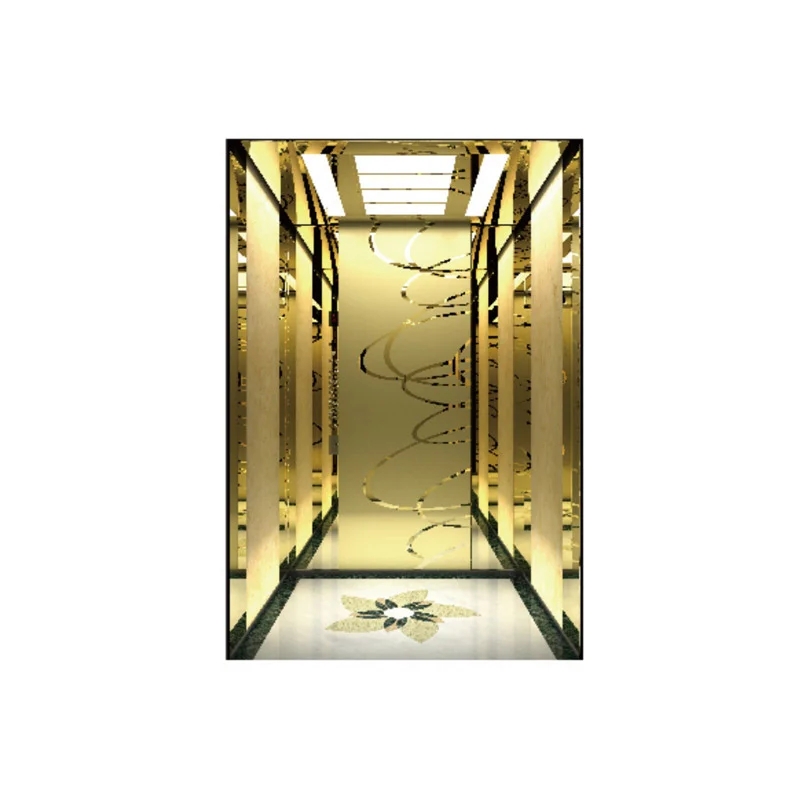
For developers planning contemporary elevator interiors, cabin appearance and energy performance can be considered together. Explore additional design options through Passenger Elevator Car Decoration.
How Energy-Saving Elevators Help Lower Operating Expenses
Investing in energy-efficient passenger elevators can provide benefits beyond reduced electricity consumption. When the equipment is appropriately selected, installed, and maintained, it can also support better operational reliability and long-term asset management.
Lower Electricity Consumption
Reducing power demand is one of the most direct financial benefits of an energy-efficient elevator.
For buildings with several elevator units, even a modest reduction in electricity use per unit can produce meaningful cumulative savings. Regenerative energy recovery, efficient motors, optimized dispatching, and automatic standby functions can all contribute to lower energy demand.
The actual savings depend on factors such as building height, passenger traffic, elevator capacity, operating schedules, and the efficiency of the original equipment. Building owners should evaluate expected performance using project-specific energy data rather than relying on a single universal savings estimate.
Potential Reductions in Maintenance Costs
Efficient elevator designs may reduce certain mechanical losses and unnecessary operating cycles. Gearless drive systems, for example, eliminate gearbox-related maintenance requirements, while intelligent controls can help reduce avoidable movements.
Potential benefits include:
-
Less wear on selected mechanical components
-
Reduced maintenance associated with eliminated gearboxes
-
More efficient equipment operation
-
Better opportunities for condition monitoring and preventive servicing
However, energy efficiency does not automatically guarantee lower maintenance costs. Maintenance expenses also depend on component quality, installation standards, service practices, operating conditions, and the availability of replacement parts.
Longer-Term Equipment Reliability
Smooth operation and appropriate load management can help limit unnecessary mechanical stress on elevator components. Combined with professional installation and regular inspections, these measures support reliable long-term performance.
Preventive maintenance is particularly important for motors, braking systems, cables, door mechanisms, and control equipment. By identifying developing problems before they cause major failures, building operators can reduce unexpected downtime and make equipment replacement planning more predictable.
Enhanced Property Appeal and Occupant Experience
Energy-efficient building systems are increasingly relevant to property owners, developers, tenants, and investors. Lower operating costs, improved environmental performance, and modern facilities can strengthen a property's overall appeal.
Elevators also influence the daily experience of building occupants. Smooth acceleration, reduced operating noise, comfortable cabin environments, and shorter waiting times can contribute to a better impression of building quality.
For commercial properties and residential developments, combining energy efficiency with dependable transportation performance helps create a more attractive and functional environment.
Why System Integration Matters for Elevator Efficiency
An elevator's energy performance depends on more than its motor or drive system. It results from the interaction of electrical, mechanical, control, and building management technologies.
Important elements include:
-
Drive and motor systems: Convert electrical energy into the mechanical movement required for transportation.
-
Elevator control systems: Coordinate car movements, floor calls, and operating sequences.
-
Building Energy Management Systems (BEMS): Help monitor and manage electricity consumption across building equipment.
-
Traffic analysis and architectural planning: Determine elevator capacity, configuration, and dispatching requirements.
-
Maintenance and operational management: Preserve system efficiency throughout the equipment's service life.
When these elements are designed to work together, elevator performance can be adjusted to different usage conditions. For example, a residential building may experience concentrated demand during morning and evening periods, while an office tower may require more sophisticated traffic management during working hours.
A well-integrated system can balance energy consumption, passenger throughput, ride comfort, and operational reliability rather than optimizing electricity use in isolation.
FUJI Elevator's Commitment to Efficient Vertical Transportation
FUJI Elevator (Huzhou) Co., Ltd. is a modern elevator enterprise specializing in product design, research and development, manufacturing, sales, installation, and maintenance services. Based in Huzhou, Zhejiang Province, China, the company operates production equipment and testing facilities to support the development of safe, reliable, and comfortable vertical transportation solutions.
Its product range includes passenger elevators, home elevators, panoramic elevators, villa elevators, medical elevators, freight elevators, vehicle elevators, escalators, and moving walkways. This portfolio enables the company to address the transportation requirements of different building types, from residential developments to commercial and specialized facilities.
In elevator engineering, energy efficiency can be supported by combining suitable drive configurations, effective control strategies, careful manufacturing, and ongoing technical improvements. FUJI Elevator's focus on product development and quality management aligns with the broader industry objective of delivering dependable transportation systems with competitive operating costs.
Its engineering and service priorities include:
-
Precision manufacturing to support reliable mechanical performance
-
Appropriate control technologies to improve elevator operation
-
Quality management throughout production and testing
-
Continued technical development to address changing building requirements
-
Installation and maintenance services that support long-term equipment performance
Guided by the philosophy of “rooted in China, serving the world,” FUJI Elevator provides comprehensive services, including design consultation and after-sales maintenance, with 24-hour service support. Ongoing professional maintenance is an important part of preserving elevator performance, helping ensure that efficiency and reliability remain priorities after installation.
For developers and property managers, selecting an elevator manufacturer involves evaluating not only the initial purchase price but also technical suitability, service capabilities, maintenance requirements, and expected lifecycle costs.
Balancing Energy Efficiency with Cabin Design and Passenger Comfort
An energy-saving elevator should deliver more than reduced electricity consumption. Its cabin design, lighting, ventilation, and movement characteristics also influence passenger comfort and the overall quality of the building.
LED lighting can provide effective illumination while using less electricity than many traditional lighting options. Occupancy-based controls may further reduce unnecessary lighting and ventilation consumption when permitted by the elevator's design and applicable safety requirements.
Cabin materials and finishes should be selected with weight, durability, appearance, and maintenance in mind. Thoughtful interior layouts can also make the cabin easier to use and help passengers enter and exit comfortably.
At the system level, smooth acceleration, appropriate door operation, and effective traffic scheduling contribute to a better passenger experience. These factors demonstrate why energy efficiency should be considered alongside accessibility, safety, comfort, and transportation capacity during elevator planning.
Emerging Trends in Passenger Elevator Energy Management
As smart buildings become more common, elevator energy management is expected to benefit from greater digital integration and more sophisticated control technologies.
Several developments are shaping the industry's direction:
-
AI-assisted traffic prediction: Algorithms can analyze passenger demand patterns to improve elevator allocation and scheduling.
-
IoT-enabled predictive maintenance: Connected monitoring systems can help identify abnormal operating conditions and support timely servicing.
-
Integration with building energy management: Elevator data can contribute to broader building energy monitoring and operational planning.
-
Lightweight structural materials: Improved materials and cabin engineering may reduce unnecessary weight while meeting strength and safety requirements.
-
Advanced regenerative systems: More efficient energy recovery can help reduce electricity drawn from the building's power supply.
-
Data-driven performance optimization: Operational data can help building managers identify inefficient usage patterns and improve system settings.
These developments are moving elevators beyond their traditional role as independent transportation machines. In increasingly connected buildings, elevator systems can become part of a coordinated strategy for managing energy, passenger movement, and equipment performance.
The benefits of emerging technologies will depend on their implementation, compatibility with existing building systems, and ability to meet relevant safety and reliability requirements.
Conclusion
Energy-saving passenger elevators have become an important consideration in modern building projects. By combining regenerative drives, efficient motors, intelligent dispatching, low-power standby functions, and optimized cabin structures, building owners can reduce unnecessary electricity consumption while supporting comfortable and reliable vertical transportation.
The greatest benefits come from treating elevator efficiency as a lifecycle objective rather than focusing exclusively on initial equipment costs. Appropriate system selection, coordinated building design, professional installation, and regular maintenance all contribute to long-term performance.
FUJI Elevator (Huzhou) Co., Ltd. provides a range of vertical transportation products and related services for different building applications. For developers, architects, and property managers, evaluating elevator technology in terms of energy performance, safety, service support, and total operating costs is an important step toward creating more efficient and sustainable buildings.
www.fujidsk.com
FUJI Elevator (Huzhou) Co, Ltd.