How to Evaluate a Reliable Surface Water Filtration System Supplier?
Introduction
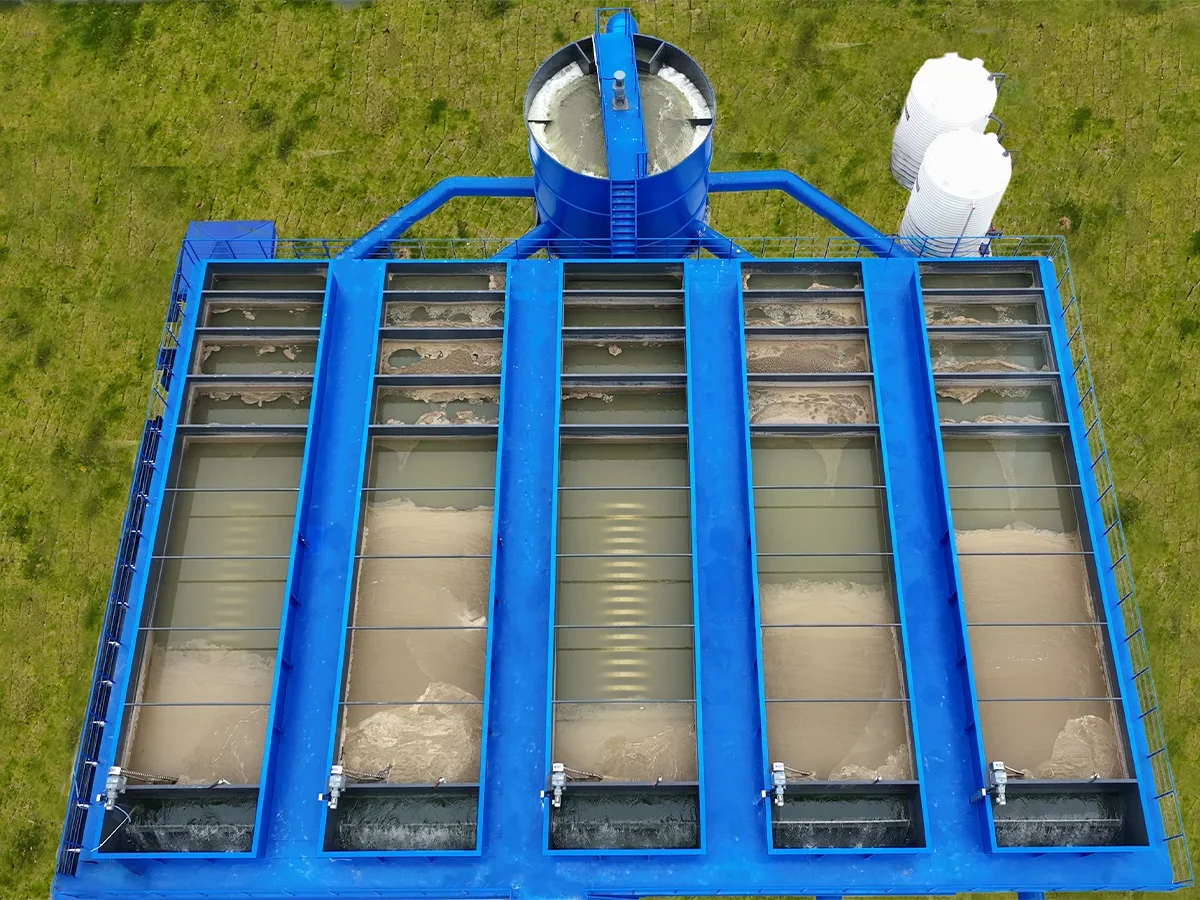
Selecting the right supplier is one of the most important decisions when investing in a surface water filtration system. Whether the project involves municipal water treatment, agricultural irrigation, industrial water reuse, or environmental restoration, the performance of the filtration equipment directly affects water quality, operating costs, and long-term system reliability.
Unlike standard equipment purchases, water filtration projects require more than simply comparing product prices. Buyers need to evaluate a supplier’s technical capabilities, manufacturing experience, engineering support, quality control processes, and ability to provide long-term service.
A reliable surface water filtration system supplier should not only provide high-quality filtration equipment but also understand the specific challenges of surface water treatment, including suspended solids, algae, sediment, organic contaminants, and seasonal water quality fluctuations.
This guide explains the key factors international buyers should consider when evaluating a surface water filtration system supplier and how to choose a partner that can deliver dependable water treatment solutions.
Understand Your Surface Water Filtration Requirements First
Before evaluating suppliers, buyers should clearly define their own project requirements. A supplier can only recommend the right filtration solution when they understand the actual operating conditions.
Surface water sources vary significantly. A river, reservoir, lake, or canal may have completely different contamination characteristics. Therefore, selecting a filtration system without proper water analysis may lead to poor performance or unnecessary investment.
Important factors to consider include:
Water Source Characteristics
The supplier should understand:
-
River, lake, reservoir, or canal water source
-
Seasonal water changes
-
Turbidity levels
-
Suspended solids concentration
-
Algae content
-
Organic matter levels
-
Potential pollutants
A professional supplier should request water quality data before recommending equipment.
Required Treatment Capacity
The required filtration capacity is another critical factor.
Projects may range from small irrigation systems to large municipal water treatment plants processing hundreds of thousands of cubic meters per day.
Buyers should define:
-
Daily water treatment volume
-
Peak flow requirements
-
Future expansion plans
-
Available installation space
A reliable supplier should be able to provide scalable solutions instead of offering only standard equipment models.
Application Requirements
Different applications have different filtration requirements.
For example:
-
Municipal drinking water projects require stable and reliable pretreatment.
-
Agricultural irrigation systems require protection against clogging.
-
Industrial applications may require higher filtration precision.
-
Environmental projects may focus on algae and sediment removal.
A qualified supplier should have experience with multiple application scenarios.
Evaluate the Supplier’s Industry Experience
Experience is one of the most important indicators when selecting a surface water filtration system supplier.
A supplier with extensive industry experience is more likely to understand real-world challenges and provide practical solutions.
Check Years of Manufacturing Experience
A reliable supplier should have a proven history in water treatment equipment manufacturing.
Consider:
-
How long has the company produced filtration systems?
-
Does it specialize in water treatment equipment?
-
Has it completed similar projects?
-
Does it serve international customers?
Long-term experience usually indicates stronger technical knowledge and production capability.
Review Previous Project Cases
Project experience provides valuable insight into a supplier’s actual performance.
Ask suppliers to provide examples of:
-
Municipal water treatment projects
-
Irrigation filtration systems
-
Industrial water applications
-
Large-scale surface water treatment installations
A supplier with successful project references should be able to explain:
-
Project background
-
Water source conditions
-
System design
-
Treatment capacity
-
Performance results
Real project experience is often more valuable than marketing claims.
Assess Product Quality and Technical Design
The quality of the filtration system determines the reliability and operating cost of the entire project.
When evaluating suppliers, buyers should carefully review product design and technical features.
Filtration Performance
A reliable surface water filtration system should effectively remove:
-
Suspended solids
-
Sediment
-
Algae
-
Organic particles
-
Fine impurities
The supplier should provide technical data such as:
-
Filtration accuracy
-
Flow capacity
-
Turbidity reduction performance
-
Backwash efficiency
Avoid suppliers that only provide general product descriptions without measurable performance data.
Automatic Cleaning Technology
Surface water often contains changing levels of contaminants. Over time, filtration media can accumulate particles and require cleaning.
Modern systems commonly use automatic backwashing technology to maintain performance.
A professional supplier should explain:
-
How the backwash process works
-
Cleaning frequency
-
Backwash water consumption
-
Control methods
-
Maintenance requirements
Automatic cleaning capability is especially important for municipal and large-scale applications where continuous operation is required.
System Materials and Durability
Surface water treatment environments can be challenging due to corrosion, humidity, and long operating hours.
Important material considerations include:
-
Filter frame materials
-
Pipeline materials
-
Corrosion resistance
-
Mechanical strength
-
Outdoor installation capability
A reliable supplier should clearly specify material standards and explain why selected materials are suitable for the application.
Evaluate Manufacturing Capability and Quality Control
A supplier’s manufacturing capability directly affects product consistency and delivery reliability.
Factory Production Capacity
Buyers should evaluate whether the supplier has:
-
Dedicated manufacturing facilities
-
Professional production equipment
-
Skilled engineering teams
-
Quality inspection processes
-
Sufficient production capacity
A supplier with strong manufacturing capability can better handle large projects and customized requirements.
Quality Management System
Quality control is essential for industrial filtration equipment.
A reliable supplier should have procedures covering:
-
Raw material inspection
-
Component testing
-
Welding inspection
-
Assembly testing
-
Performance verification
-
Final quality checks
Ask whether the supplier follows recognized quality management standards and whether inspection reports are available.
Testing Before Delivery
Before shipment, filtration equipment should undergo proper testing.
Typical testing procedures include:
-
Pressure testing
-
Flow testing
-
Control system testing
-
Leakage inspection
-
Operational simulation
Suppliers that conduct strict factory testing reduce installation risks for customers.
Consider Engineering and Customization Capabilities
Surface water filtration projects are rarely identical. A reliable supplier should provide customized engineering support rather than simply selling standard products.
Technical Consultation
A professional supplier should help customers evaluate:
-
Water quality conditions
-
Filtration requirements
-
Equipment selection
-
System layout
-
Installation conditions
Strong technical support helps avoid incorrect equipment selection.
Customized System Design
Different projects may require customized solutions due to:
-
Limited installation space
-
Special water conditions
-
Different flow rates
-
Automation requirements
-
Environmental conditions
A capable supplier should be able to adjust:
-
Filtration capacity
-
System configuration
-
Control methods
-
Structural design
Customization capability is a strong indicator of supplier expertise.
Evaluate After-Sales Service and Technical Support
A surface water filtration system is a long-term investment. Reliable after-sales support is essential for maintaining stable operation.
Installation Support
Ask whether the supplier provides:
-
Installation guidance
-
Operation manuals
-
Technical documentation
-
Remote support
-
On-site commissioning services
Proper installation is critical for achieving expected filtration performance.
Spare Parts Availability
A professional supplier should provide long-term spare parts support.
Important components include:
-
Filter media
-
Motors
-
Valves
-
Sensors
-
Control system components
Easy access to spare parts helps minimize downtime.
Maintenance Assistance
Suppliers should provide recommendations regarding:
-
Routine inspection
-
Cleaning procedures
-
Component replacement
-
Troubleshooting
A supplier that supports customers after delivery demonstrates long-term commitment.
Compare Supplier Pricing Based on Total Value
Price is an important factor, but it should not be the only consideration.
Choosing the cheapest supplier may result in:
-
Lower equipment quality
-
Higher maintenance costs
-
Shorter service life
-
Poor technical support
Instead, buyers should evaluate the total value of the investment.
Important cost factors include:
-
Initial equipment cost
-
Energy consumption
-
Maintenance expenses
-
Replacement parts
-
Service life
-
Operating efficiency
A reliable surface water filtration system supplier should provide transparent pricing and explain the value behind the investment.
Check International Export Experience
For overseas buyers, export experience is an important evaluation factor.
A supplier experienced in international projects should understand:
-
Export documentation
-
International shipping requirements
-
Different installation standards
-
Communication requirements
-
Regional water treatment challenges
Indicators of international capability include:
-
Global project references
-
Overseas customers
-
Professional technical documentation
-
Export experience
This helps ensure smoother cooperation throughout the project lifecycle.
Conclusion
Choosing a reliable surface water filtration system supplier requires more than comparing equipment specifications and prices. Successful water treatment projects depend on supplier expertise, product quality, engineering capability, manufacturing standards, and long-term service support.
A trustworthy supplier should have extensive industry experience, proven project references, advanced filtration technology, strict quality control, and the ability to provide customized solutions for different water conditions.
By carefully evaluating these factors, buyers can select a supplier that not only delivers high-performance filtration equipment but also becomes a reliable long-term partner for municipal, agricultural, industrial, and environmental water treatment projects.
www.jinhuacn.com
jinhua