
Pneumatic Speed Control Valve Selection Guide for Industrial Automation Systems
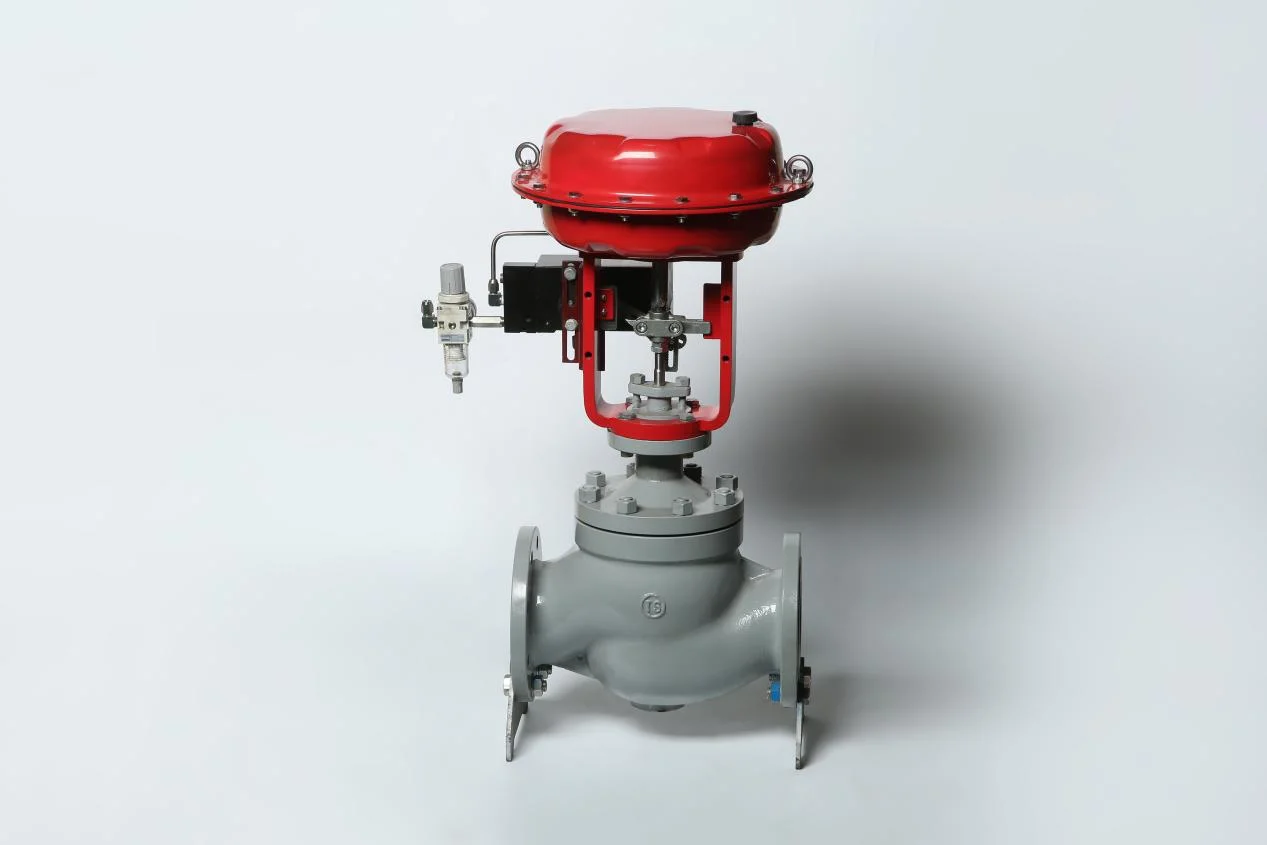
As industrial automation becomes increasingly sophisticated, precise motion control has become a critical requirement across manufacturing, processing, and fluid control industries. Pneumatic systems remain one of the most widely used automation technologies due to their simplicity, reliability, and cost-effectiveness.
However, the performance of a pneumatic system depends heavily on its ability to control actuator movement accurately. This is where the pneumatic speed control valve plays a vital role.
Although often overlooked during system design, the correct speed control valve can significantly improve process stability, reduce equipment wear, and enhance production efficiency.
Understanding the Function of a Pneumatic Speed Control Valve
The primary purpose of a pneumatic speed control valve is to regulate airflow and control the operating speed of pneumatic actuators.
Rather than simply allowing compressed air to flow freely, the valve creates a controlled restriction that determines how quickly air enters or exits a cylinder or actuator.
This allows operators to fine-tune:
-
Cylinder extension speed
-
Cylinder retraction speed
-
Valve opening speed
-
Valve closing speed
-
Overall motion smoothness
The result is more predictable and repeatable system performance.
Why Improper Speed Control Causes Problems
Many pneumatic systems operate successfully at first but later develop reliability issues due to excessive actuator speed.
Common symptoms include:
-
Hard end-of-stroke impacts
-
Increased vibration
-
Excessive noise
-
Component fatigue
-
Seal failures
In valve automation applications, uncontrolled actuator movement can also create pressure surges within piping systems.
These issues often increase maintenance costs and reduce equipment lifespan.
Proper speed control minimizes these risks.
Matching Valve Size to System Requirements
One of the most common mistakes is selecting a valve based solely on port size.
Flow capacity is equally important.
A valve that is too small may restrict airflow excessively and reduce system productivity.
A valve that is too large may make fine adjustments difficult.
Important selection criteria include:
-
Cylinder bore size
-
Stroke length
-
Operating pressure
-
Desired cycle time
-
Air consumption
Careful sizing ensures stable and efficient operation.
The Importance of Flow Adjustment Accuracy
Different applications require different levels of precision.
For example:
A simple material transfer system may only require basic speed regulation.
In contrast, automated assembly equipment often demands highly repeatable actuator movement.
Precision-adjustment speed control valves provide:
-
Better repeatability
-
Improved process consistency
-
Easier system optimization
This becomes increasingly valuable in high-volume production environments.
Environmental Considerations
Industrial environments can be demanding.
Speed control valves may be exposed to:
-
Dust
-
Moisture
-
Corrosive chemicals
-
Temperature fluctuations
Selecting appropriate materials and sealing designs helps maintain long-term reliability.
Stainless steel models are often preferred for food processing, chemical plants, and offshore applications.
Integration with Pneumatic Valve Automation
Modern automated valve systems frequently include multiple control components.
These may include:
-
Pneumatic actuators
-
Solenoid valves
-
Air preparation units
-
Position indicators
-
Speed control valves
The speed control valve helps optimize actuator response while protecting the valve assembly from excessive mechanical stress.
In large-diameter ball valves and butterfly valves, controlled movement improves both safety and operational stability.
Energy Efficiency Benefits
Compressed air is one of the most expensive utility resources in many industrial facilities.
Poorly controlled pneumatic systems often consume unnecessary air due to excessive speeds and inefficient operation.
Proper speed adjustment can help:
-
Reduce air consumption
-
Improve energy efficiency
-
Lower operating costs
-
Increase system longevity
Over time, these savings can be substantial in facilities operating multiple pneumatic systems.
Future Trends in Pneumatic Motion Control
Industrial automation is increasingly incorporating intelligent monitoring and predictive maintenance technologies.
Future pneumatic systems may include:
-
Smart sensors
-
Digital flow monitoring
-
Remote diagnostics
-
Automated performance optimization
Even within advanced automation environments, pneumatic speed control valves will continue serving as fundamental components for motion regulation.
Conclusion
A pneumatic speed control valve is a critical element in achieving smooth, reliable, and efficient pneumatic motion control. Proper valve selection improves actuator performance, enhances process stability, reduces equipment wear, and supports long-term operational efficiency.
By considering flow capacity, adjustment precision, environmental conditions, and system integration requirements, manufacturers can maximize the value of their pneumatic automation investments.
For industrial applications ranging from pneumatic valve automation to advanced manufacturing systems, high-quality speed control solutions remain essential for delivering consistent and dependable performance.
www.maikailunvalve.com
Zhejiang Maikailun Automatic Control Valve Co . , Ltd