Zirconium Heat Exchanger: Performance Characteristics and Industrial Applications
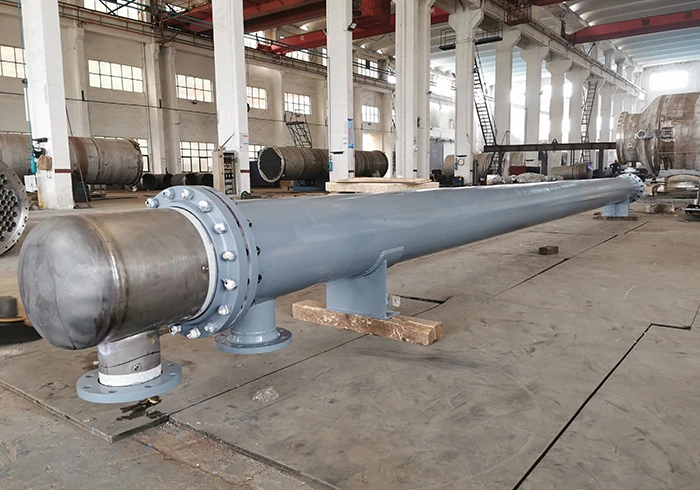
In corrosive process industries, choosing the right material for heat exchangers can determine not only the efficiency of a plant but also its long-term operational safety. The zirconium heat exchanger stands out as a premium solution in environments where traditional materials like stainless steel, titanium, or nickel alloys cannot withstand aggressive conditions. Known for its unmatched corrosion resistance, high thermal performance, and long service life, the zirconium heat exchanger has become an essential asset in sectors such as chemical processing, pharmaceuticals, fertilizer production, and petrochemicals. This article Qiwei explores two critical aspects: the performance characteristics that make zirconium heat exchangers technically superior and the industrial applications where they deliver the greatest value.
Performance Characteristics of Zirconium Heat Exchangers
The effectiveness of a zirconium heat exchanger depends on how well it performs under harsh operating conditions. Engineers and plant operators evaluate these characteristics before choosing zirconium over conventional alloys.
1. Exceptional Corrosion Resistance
The primary advantage of zirconium is its outstanding resistance to highly corrosive environments.
-
Acid environments: Zirconium resists hydrochloric acid, sulfuric acid, and nitric acid far better than stainless steel or titanium.
-
Oxide layer protection: A naturally forming zirconium oxide film protects the metal surface from further attack, ensuring long-term stability.
-
Extended service life: Plants report service lifespans several times longer with zirconium heat exchangers compared to other materials.
This property alone often justifies the higher initial investment in a zirconium heat exchanger.
2. High Thermal Efficiency
A heat exchanger must not only resist corrosion but also transfer heat effectively. Zirconium performs exceptionally well in this regard.
-
Excellent thermal conductivity ensures efficient energy transfer between fluids.
-
Stable performance means that thermal efficiency does not deteriorate even after prolonged exposure to corrosive chemicals.
-
Reduced energy consumption provides cost savings in large-scale industrial processes.
For continuous operations, high thermal efficiency translates into significant long-term financial benefits.
3. Mechanical Strength and Reliability
Beyond chemical resistance and thermal efficiency, the zirconium heat exchanger offers mechanical strength suitable for demanding industrial conditions.
-
High tensile strength enables safe operation under high pressures.
-
Fatigue resistance ensures durability during repeated thermal cycling.
-
Structural stability minimizes the risk of leaks or mechanical failures.
This strength makes zirconium heat exchangers reliable for continuous operation in critical facilities.
4. Purity and Contamination Control
In industries where product purity is essential, zirconium offers unique advantages.
-
Non-contaminating surface: Zirconium does not release metal ions into process fluids.
-
High chemical stability: Prevents discoloration or contamination of sensitive products.
-
Pharmaceutical-grade safety: Meets the purity requirements of medical and food-related production lines.
This makes zirconium heat exchangers indispensable in high-purity chemical and pharmaceutical manufacturing.
5. Long-Term Cost Effectiveness
Although the upfront cost of a zirconium heat exchanger is higher than that of stainless steel or titanium, the total cost of ownership is much lower.
-
Reduced downtime: Longer lifespan means fewer shutdowns for replacement.
-
Lower maintenance: Minimal need for repairs or part replacement.
-
Operational savings: Efficiency gains offset the initial investment over time.
For companies seeking reliability and reduced lifecycle costs, zirconium is a sound financial choice.
Industrial Applications of Zirconium Heat Exchangers
The unique combination of performance characteristics makes the zirconium heat exchanger suitable for a wide range of industries where chemical resistance, reliability, and efficiency are critical.
1. Chemical Processing Industry
The chemical industry is one of the largest users of zirconium heat exchangers due to the aggressive media involved.
-
Acid production: In hydrochloric acid, sulfuric acid, and nitric acid plants, zirconium resists rapid degradation, ensuring continuous production.
-
Organic chemicals: Effective in handling acetic acid, formic acid, and other organic compounds that quickly corrode common alloys.
-
Specialty chemicals: Supports high-purity processes where contamination control is crucial.
By extending service life and reducing downtime, zirconium heat exchangers significantly improve plant efficiency.
2. Pharmaceutical Manufacturing
The pharmaceutical sector relies heavily on contamination-free processing.
-
Sterile environments: Zirconium’s resistance to cleaning and sterilization chemicals ensures durability in GMP-compliant facilities.
-
Purity assurance: Prevents leaching of metal ions into sensitive drug formulations.
-
Long-term reliability: Reduces the risk of production disruptions caused by equipment failures.
For pharmaceutical companies, a zirconium heat exchanger guarantees both product safety and process consistency.
3. Fertilizer Production
Fertilizer plants often use corrosive acids in their processes, creating extreme conditions for equipment.
-
Phosphoric acid production: Zirconium resists the harsh conditions of phosphate fertilizer manufacturing.
-
Mixed acids: Can withstand environments containing sulfuric, nitric, and hydrochloric acids simultaneously.
-
Operational continuity: Reduces replacement frequency, which is critical in large-scale, continuous fertilizer production lines.
This makes zirconium heat exchangers a cost-effective solution for the fertilizer industry.
4. Petrochemical and Refining Industry
In petrochemical processing and refining, durability and reliability are paramount.
-
Corrosive feedstocks: Zirconium heat exchangers handle aggressive hydrocarbons and acidic byproducts without rapid degradation.
-
Energy recovery systems: High thermal conductivity improves efficiency in heat recovery units.
-
Safety compliance: Reduces risks associated with leaks in hazardous environments.
For refineries, zirconium ensures both operational safety and cost efficiency.
5. Other Specialized Applications
Zirconium heat exchangers are also used in niche sectors where high corrosion resistance and purity are required.
-
Electronics industry: Suitable for high-purity chemical processes used in semiconductor manufacturing.
-
Food processing: Handles acidic cleaning solutions without contaminating food-grade products.
-
Environmental systems: Plays a role in pollution control processes involving aggressive chemical streams.
These diverse applications highlight the versatility and reliability of zirconium heat exchangers.
Conclusion
The zirconium heat exchanger has become a critical piece of equipment for industries facing corrosive environments and demanding purity standards. Its exceptional corrosion resistance, high thermal efficiency, mechanical strength, and contamination-free operation make it superior to stainless steel, titanium, and other common alloys.
Equally important, zirconium heat exchangers prove their value across multiple industries, including chemical processing, pharmaceuticals, fertilizers, petrochemicals, and specialized sectors such as electronics and food processing.
For businesses that prioritize long-term reliability, reduced maintenance costs, and product quality, investing in a zirconium heat exchanger is a strategic decision that delivers both technical and financial benefits.
https://www.tnztn.com/Zirconium-Heat-Exchanger
www.tnztn.com
Wuxi Qiwei Nonferrous Technology Co., Ltd.