Bio-Based Resins for Stationery: YOGTIC's Path to Eco Pens
Addressing a Long-Standing Industry Challenge
Conventional fossil-based plastics used in pens, markers, and other stationery products face well-documented challenges: dependence on fossil resources, long-term environmental persistence, and difficulties in end-of-life waste management. At the same time, many emerging bio-based and biodegradable material systems still struggle to balance performance, processability, cost, and large-scale commercialization. This gap between laboratory-stage bio-based materials and real-world manufacturing requirements is precisely the problem that Shanghai SiPeng Technology Co., Ltd., operating under the brand SYNLIFE, was founded to solve in May 2022.
As a bio-based materials technology company built on synthetic biology and materials engineering, SYNLIFE develops high-performance bio-based materials, finished applications, and cross-industry material solutions. Its long-term goal is to support a lower-carbon bio-economy while advancing carbon-negative biomanufacturing technologies for selected future material pathways. For the stationery sector specifically, this translates into resin platforms engineered not just for material composition, but for the actual injection molding and processing conditions that pen and stationery manufacturers rely on every day.
The YOGTIC Bio-Based Resin Platform
At the core of SYNLIFE's stationery-oriented offering is the YOGTIC® series of bio-based resins, developed under the broader SynMat material platform. Rather than treating material synthesis as an isolated exercise, SYNLIFE's application-oriented development approach means these resins are engineered around end-use requirements from the outset—an important distinction for stationery brands that need consistent molding performance at commercial scale.
The platform includes several distinct series, each addressing different stationery and consumer-product needs:
-
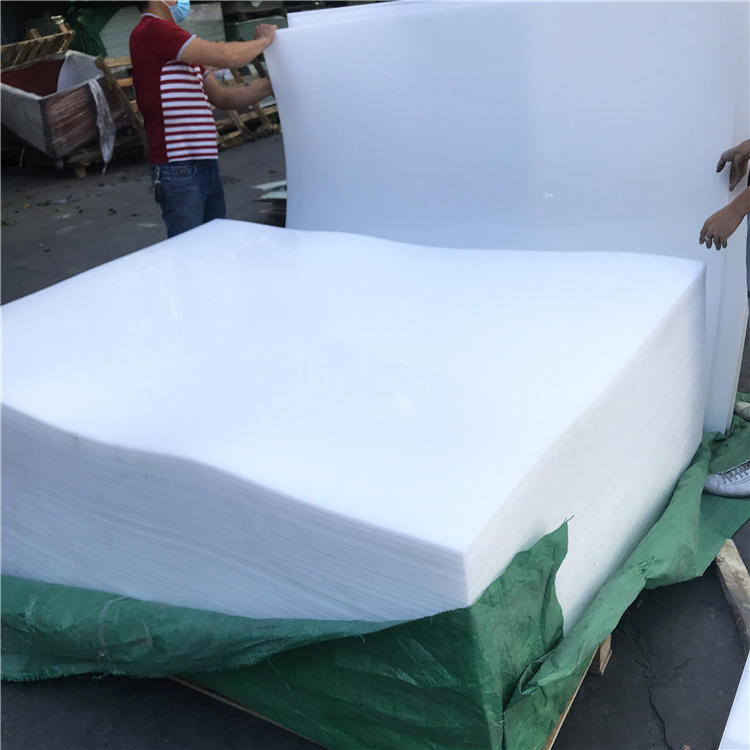
YOGTIC-05 Series: Positioned as a high-transparency bio-based polyester material. It offers high transparency, good toughness, and a high bio-based content depending on product grade, making it suitable for applications requiring transparent plastic components—such as pen barrels and clear housing parts. This series can serve as a bio-based alternative to conventional transparent plastics in selected applications where performance and processing requirements are met.
-
YOGTIC-15 Series: A high-performance, natural-color bio-based polyester material offering improved thermal resistance compared with conventional PLA grades and balanced toughness and rigidity. It is suitable for selected injection-molded and rigid applications, providing an option for replacing conventional fossil-based plastics after appropriate application validation.
-
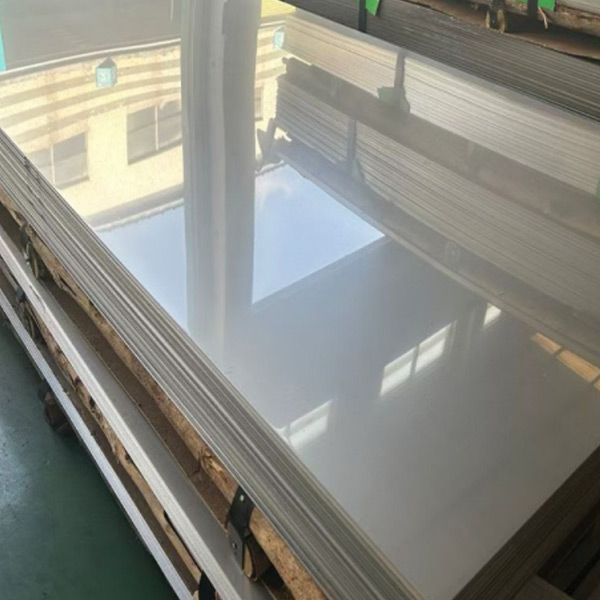
YOGTIC-08 / 18 Thermoforming Series: Developed specifically for sheet extrusion and thermoforming, this series delivers good sheet flatness and balanced rigidity and toughness, designed around commercial thermoforming processes for products such as food trays and packaging trays.
This structured, grade-specific approach allows stationery manufacturers to select the material profile—transparency, thermal resistance, or rigidity—that matches their specific product design, rather than relying on a single generic bio-based formulation.
From Laboratory to Commercial Pens: Two Validated Cases
SYNLIFE's stationery-related work has already moved beyond development into commercial and exhibition-stage validation, supported by two documented cases.
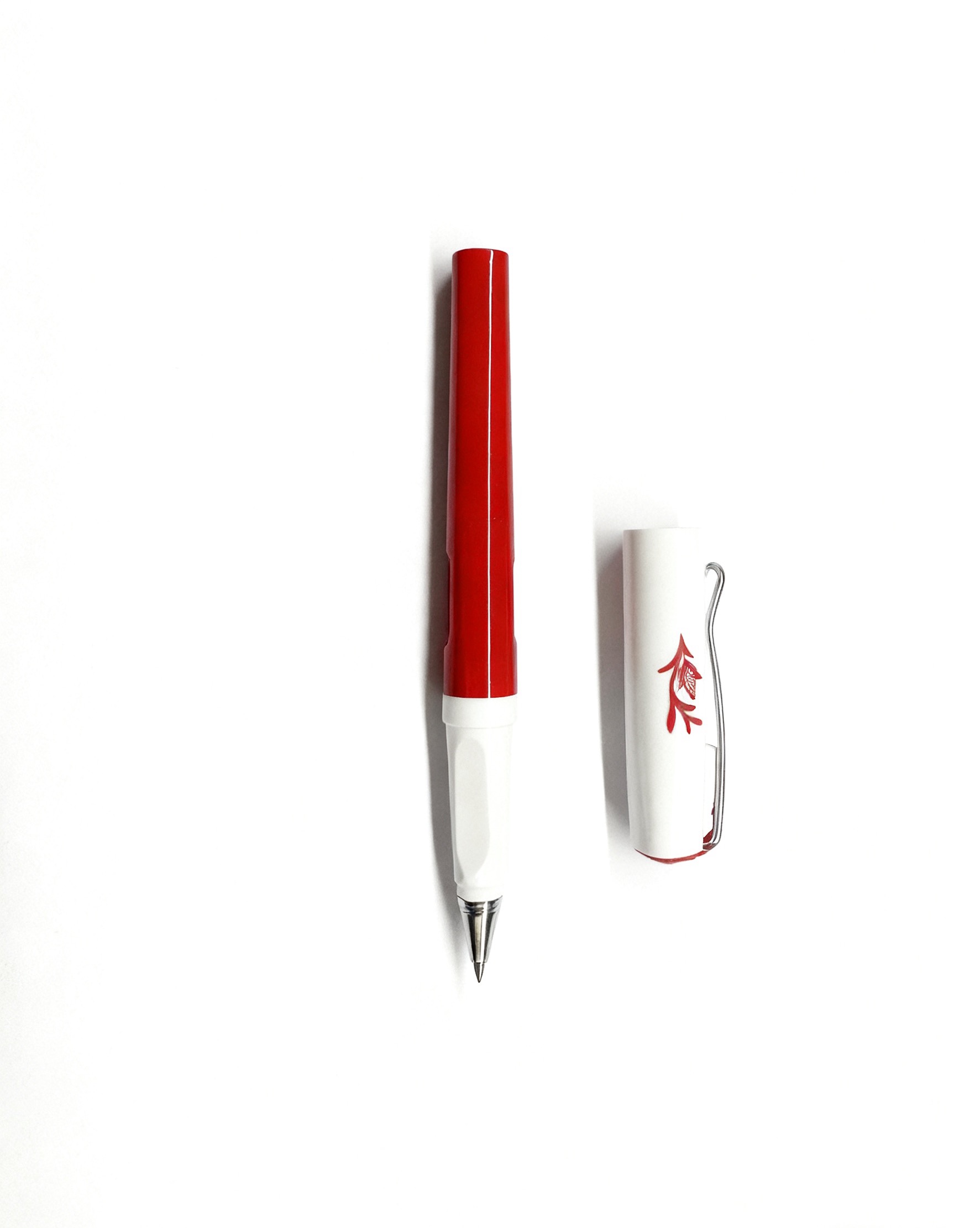
Hero Bio-Based Fountain Pen: In this application, SYNLIFE's bio-based resin was applied to plastic components of the fountain pen, with selected conventional plastic parts replaced by SYNLIFE materials. The result was a commercialized bio-based fountain pen application that has participated in regional cultural-product and souvenir selection activities—reflecting both the technical feasibility and the market-facing readiness of the material.
Platinum GK-50 Eco Pen Application: Here, the high-transparency YOGTIC® resin was used for selected transparent pen components. This case demonstrates the feasibility of applying high-transparency YOGTIC® bio-based materials to commercial writing instruments, supporting SYNLIFE's broader development direction for transparent bio-based resin applications. As with all performance claims, any comparison with conventional PC or other plastics should be understood as valid only when supported by corresponding test or product data.
Beyond these two flagship cases, SYNLIFE has continued to expand bio-based writing-instrument applications, including gel pens, signature pens, and fountain pens, demonstrating a broader progression from material development into finished consumer products and public-facing applications.
The Technical Foundation Behind the Resins
These stationery applications did not emerge in isolation. They are underpinned by SYNLIFE's integrated capability system, which spans biological manufacturing, material development, formulation optimization, process scale-up, and application development. On the synthetic biology side, this includes strain development, metabolic pathway optimization, and fermentation process development. On the materials side, it includes polymer formulation, modification, compounding, and processing optimization tailored to real manufacturing processes such as injection molding, extrusion, film processing, thermoforming, and spinning.
SYNLIFE also applies AI-assisted R&D, using AI and data-driven methods to support formulation design, process optimization, material-property prediction, and experimental iteration—an approach that helps accelerate the screening and refinement of resin grades like the YOGTIC series. This work is carried out at the company's Shanghai R&D Center, which spans more than 2,000 m² of research and development space, with manufacturing and supply-chain capabilities based in Jiangsu, including Nantong.
Recognition and Ecosystem Support
SYNLIFE's scientific foundation is supported by a founding technical team with established academic and industry recognition. Members of the team have received honors including a First Prize from the China Petroleum and Chemical Industry Federation and a First Prize of the Ministry of Education Natural Science Award. The company's bio-based pen products have also participated in Minhang souvenir-related selection activities, connecting its stationery applications with regional cultural-product initiatives. More recently, SYNLIFE was selected as one of 16 finalists from approximately 660 global applicants in Tencent's CarbonX Program 2.0 in 2026, reflecting continued external validation of its broader bio-economy work.
The company's key synthetic biology technologies are derived from research associated with Shanghai Jiao Tong University, and it maintains cooperation with research institutions and industrial partners across biological manufacturing, materials science, and application development. This industry-academia-research foundation, combined with a completed Pre-A financing round of nearly RMB 100 million, supports continued expansion of SYNLIFE's material platforms and commercial projects.
Conclusion
For stationery brands and manufacturers evaluating bio-based resin options, SYNLIFE's YOGTIC® series offers a documented path from material development to commercial application—demonstrated through the Hero fountain pen and Platinum GK-50 eco pen cases. Backed by integrated synthetic biology and materials engineering capabilities, an application-oriented development philosophy, and a growing base of industry recognition, SYNLIFE presents a technically grounded option for stationery manufacturers seeking to incorporate bio-based, high-transparency, or thermally improved resin grades into their product lines, with all specific performance and compostability claims subject to verification against the relevant product grade and certification.
https://www.synlifeglobal.com/
SYNLIFE