Custom Electronic Educational Toys: From Product Concept and Design to Mass Production
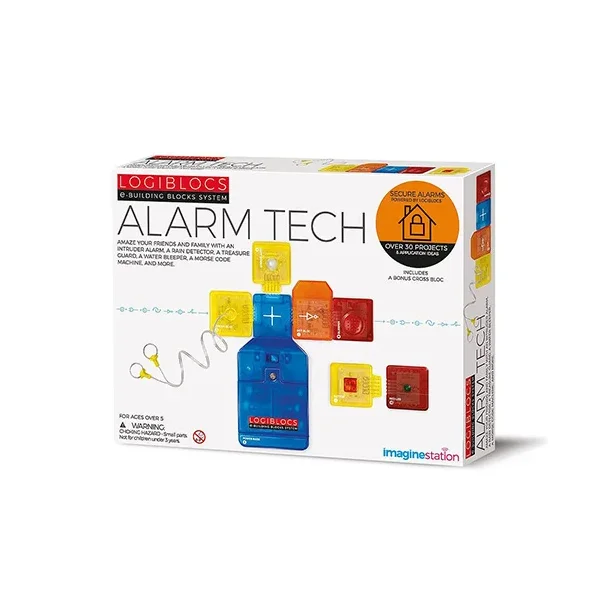
Custom electronic educational toys combine learning, play, and technology to create interactive experiences for children. From early product concepts to finished retail products, successful development requires coordinated industrial design, electronics, software, materials, safety testing, and manufacturing.
For brands, retailers, and distributors, working with an experienced OEM/ODM manufacturer can help turn creative ideas into market-ready products while improving production efficiency and quality control.
What Are Custom Electronic Educational Toys?
Electronic educational toys use interactive functions such as buttons, lights, sounds, sensors, displays, and programmable components to support learning. Applications include language development, number recognition, music, memory games, logic, and interactive storytelling.
Effective customization begins with a clear educational purpose. Electronic features should support the intended learning experience rather than add unnecessary complexity.
From Product Concept to Design
Every project starts by defining the target age group, learning objectives, key functions, product appearance, target price, and expected production volume.
Industrial designers then develop a child-friendly structure that balances appearance, ergonomics, durability, and internal component space. Materials, button sizes, edges, battery compartments, and assembly methods must be considered alongside the placement of PCBs, speakers, switches, and sensors.
A detailed product specification helps align the design and engineering teams before development proceeds.
Electronic Engineering and Interactive Functions
Electronic engineering transforms the concept into a working product. Depending on the design, components may include printed circuit board assemblies (PCBAs), microcontrollers, speakers, LEDs, sensors, switches, and power-management circuits.
Firmware controls functions such as audio playback, button responses, lighting effects, and game logic. Hardware and software should be developed together to ensure that the product's features work reliably within its physical design.
Sound, lighting, and interactive feedback should also be appropriate for the intended age group and educational purpose.
Prototyping, Tooling, and Mass Production
Prototypes allow engineers to verify electronic functions, software behavior, component placement, and mechanical fit before committing to mass production.
Once the design is validated, injection-mold tooling and production engineering can begin. Design for assembly helps reduce unnecessary components and simplify manufacturing.
A pilot production run can identify assembly bottlenecks, tooling issues, and functional defects before full-scale manufacturing starts. This step helps establish a more consistent production process.
Quality Control and Product Safety
Quality control should cover incoming components, PCBA production, mechanical assembly, programming, and final product testing. Automated optical inspection (AOI) can help identify PCB assembly defects, while functional testing verifies the completed toy's operation.
Safety must be considered from the beginning. Battery access, small components, edges, electrical protection, materials, and moving parts all require appropriate evaluation. Applicable toy safety standards, labeling rules, and testing requirements depend on the product and target market.
Dongguan Quanshun Technology Industrial Co., Ltd.
Dongguan Quanshun Technology Industrial Co., Ltd., established in 2008 in Dongguan, Guangdong, provides product development and manufacturing services across consumer electronics and innovative products.
Its capabilities include PCBA production, SMT mounting, automatic soldering, AOI inspection, reflow soldering, injection molding, electronic testing, and assembly. Its product portfolio includes electronic educational toys, children's digital products, plush dolls, licensed character merchandise, and other consumer products.
For customized educational toys, these capabilities can help coordinate electronic components, physical enclosures, assembly, and quality inspection within a connected manufacturing process.
Managing Costs and Production Efficiency
Manufacturing costs depend on component selection, PCB design, tooling complexity, materials, assembly time, packaging, and order quantity.
Early collaboration between the product owner, engineers, and manufacturer can identify cost-saving opportunities before tooling begins. The goal is to balance product functionality, quality, and production cost rather than simply choosing the lowest unit price.
Reliable component sourcing, production scheduling, and inspection procedures also help support consistent supply as demand grows.
Conclusion
Developing custom electronic educational toys requires close coordination from concept development through engineering, prototyping, tooling, safety evaluation, and mass production.
Dongguan Quanshun Technology Industrial Co., Ltd. offers integrated electronic and mechanical manufacturing capabilities that can support customized product development. For brands seeking to transform educational ideas into scalable products, choosing a manufacturing partner with suitable engineering resources, production equipment, and quality-control processes is an important step toward commercial success.
www.sunlikeqs.com
Dongguan Quanshun Technology Industrial Co., Ltd.