Panoramic Windows in Hotel Tents: Stars Glamping 2026 Guide
Can Hotel Tents Have Panoramic Windows?
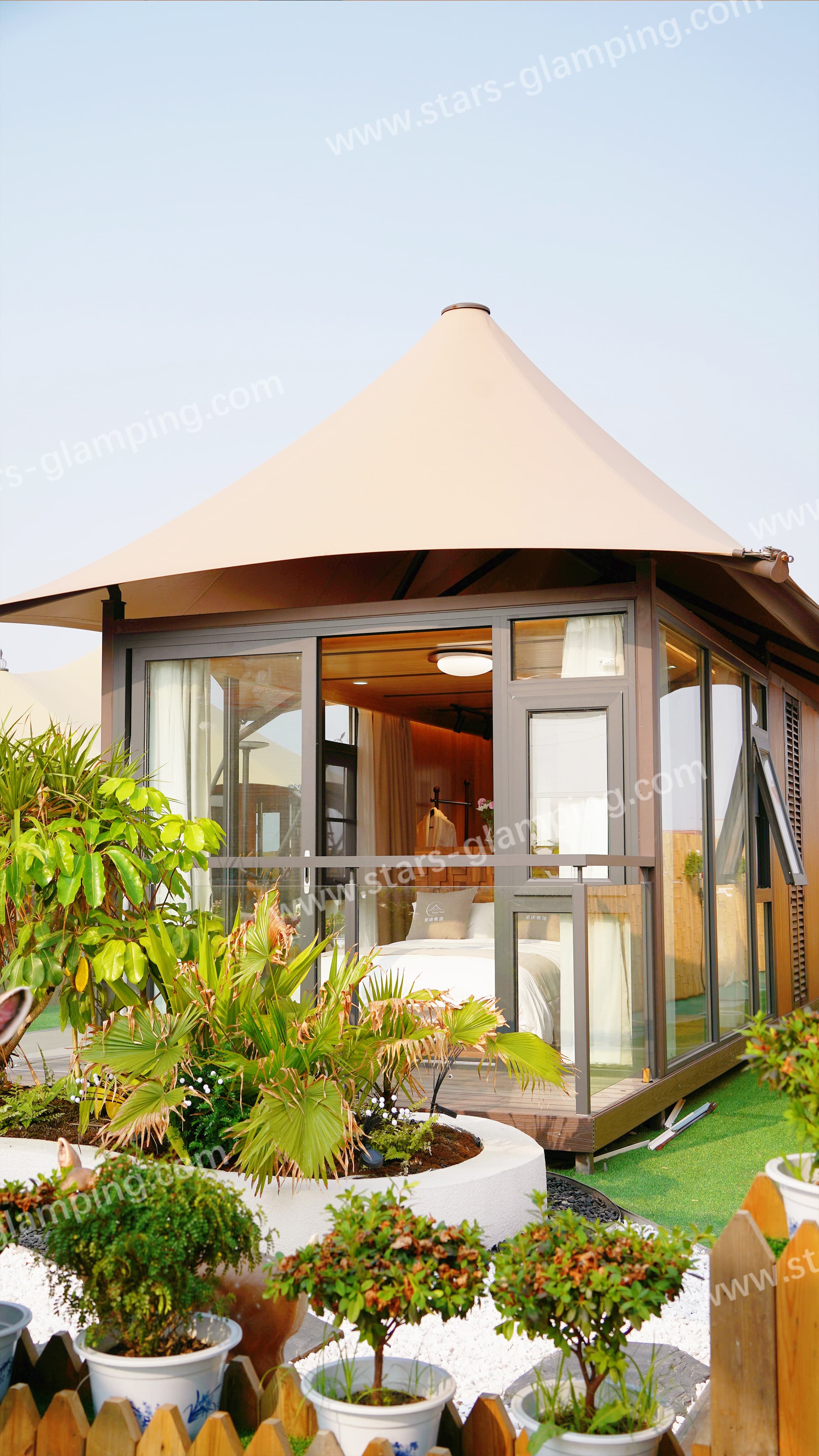
For hospitality operators evaluating outdoor accommodation upgrades, one question comes up repeatedly: can hotel tents have panoramic windows without sacrificing structural durability, thermal performance, or weather resistance? The answer, according to the product engineering behind Stars Glamping (brand name Stars Tent), is yes—provided the glass is integrated into a frame system designed specifically to support it.
Why Traditional Canvas Tents Struggle With Natural Light
Outdoor hospitality providers often face a core tension: guests expect hotel-grade comfort in remote natural settings, while the structures themselves must withstand harsh environments. Traditional canvas-based tents were built primarily for weather protection, not for daylighting or acoustic comfort. As a result, insufficient natural light and poor sound insulation remain common pain points in conventional fabric tents. This is precisely the gap that panoramic glass systems are designed to close, and it is the reason Stars Glamping, a professional glamping tent manufacturer, has developed multiple product lines that combine tempered glass with reinforced steel framing.
Engineering Panoramic Glass Into a Weather-Resistant Structure
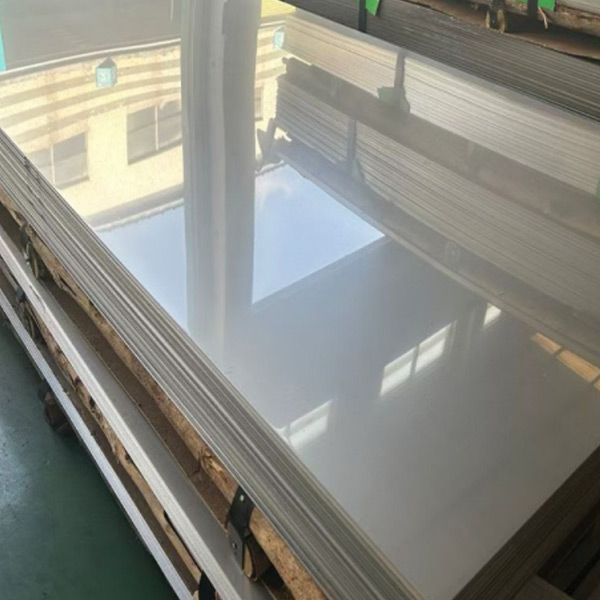
The technical foundation that makes panoramic windows viable in outdoor tent structures is modular structural engineering combined with advanced membrane tensioning technology. Stars Glamping frame structures rely on hot-dip galvanized steel processing for corrosion resistance, which provides the load-bearing capacity needed to support large glass panels without compromising wind resistance. In some units, this steel structure is paired with aluminum alloy hybrid framing to balance strength with reduced weight.
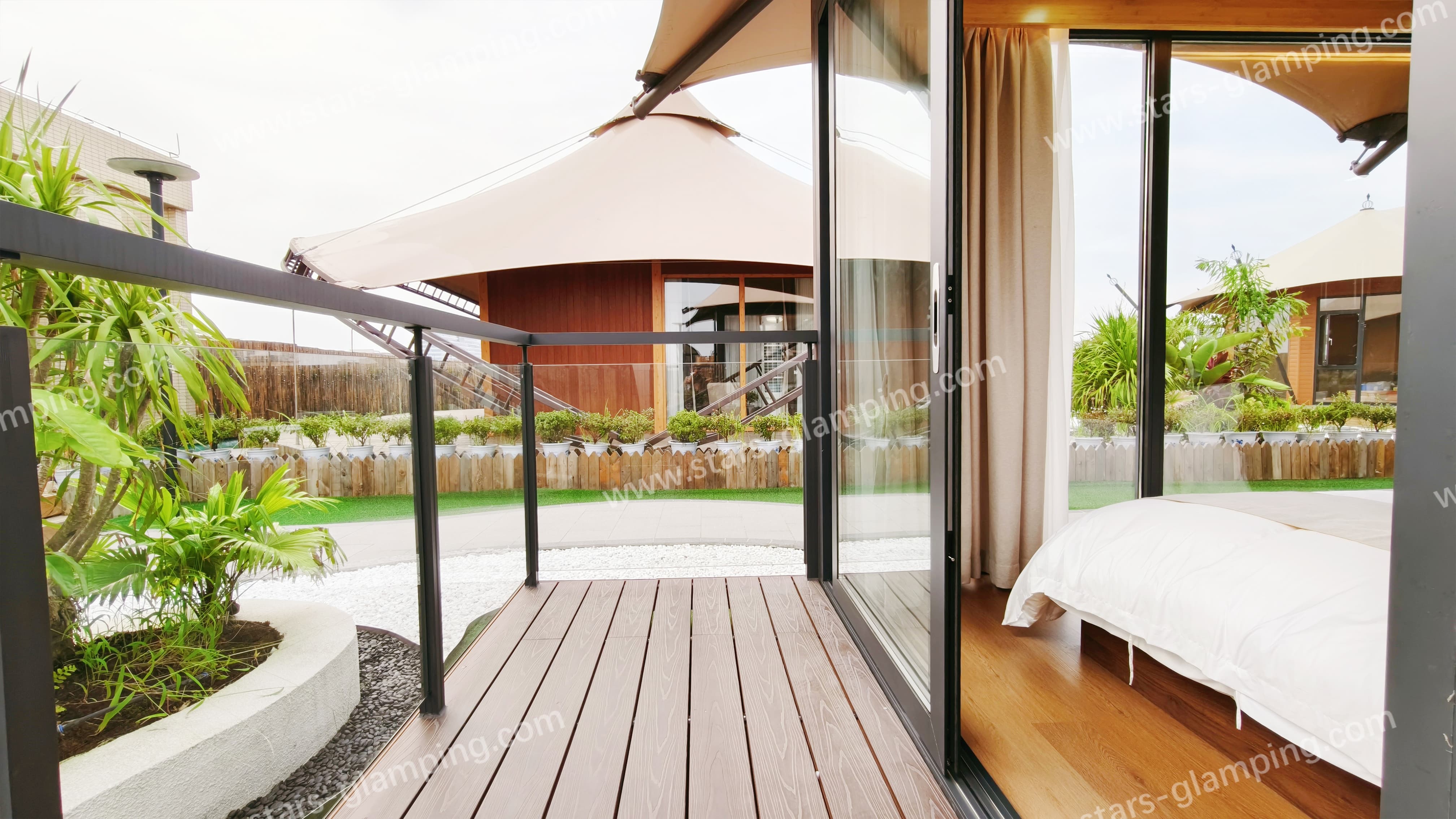
This engineering approach is demonstrated across the product line. The Luxury Tent – Square, for example, addresses the natural light and sound insulation pain points directly through panoramic tempered glass walls, delivering a bright, quiet, and energy-efficient living environment across a total usable space of 48m², including a 12m² private balcony. Its triple-layer roof reduces heat transfer while protecting against UV exposure and environmental debris, showing that glass walls can be paired with multi-layer roofing rather than replacing weather protection altogether.
Full and Partial Glass Configurations Across the Product Line
Panoramic and floor-to-ceiling glass is not limited to a single model. The Luxury Tent – Villa combines three-sided glass walls with a PVDF/PVC double-layer roof, maximizing natural daylight and panoramic views while still offering a 24m² interior with a private bedroom and fully equipped bathroom. The Luxury Tent – Saturn takes a similar approach with floor-to-ceiling glass on front and rear panels, combined with insulated wall panels and WPC (Wood Plastic Composite) exterior panels for moisture resistance, illustrating how glass and composite materials can be balanced for a more permanent architectural feel.
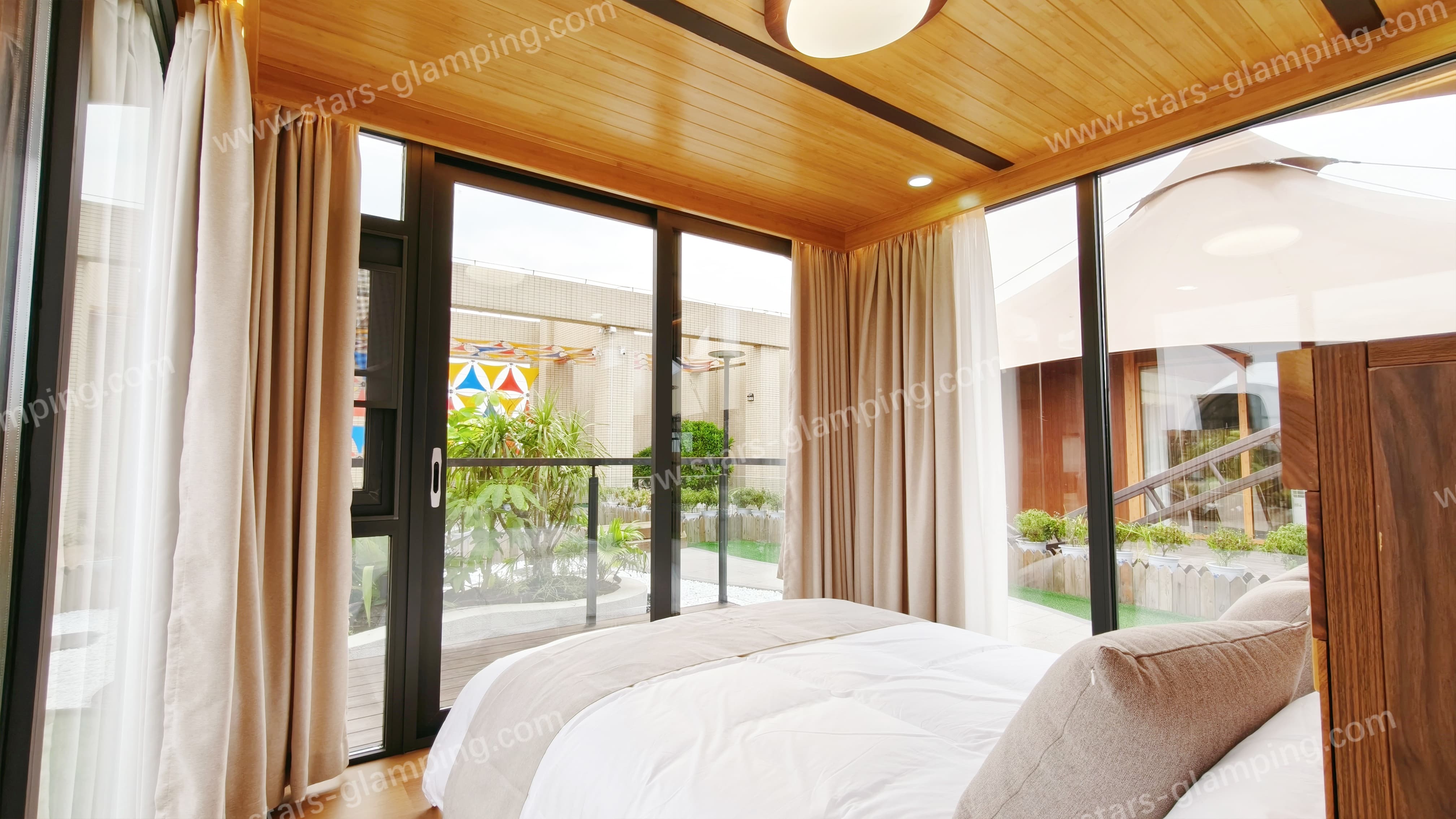
Other units emphasize insulated glazing for climate-specific performance. The Luxury Tent – Uranus uses insulated tempered glass to provide thermal performance suited for year-round use, paired with a translucent PVDF roof that allows soft daylight during the day and a warm glow at night. The Luxury Tent – Capricorn incorporates 5mm tempered glass panels for sound insulation and natural light, supported by a twin-peak roof with a smooth PVDF surface that minimizes dirt accumulation.
For biomimetic and landmark-style structures, glass is integrated into curved or shell-shaped forms. The Luxury Tent – Shell features triple-layer tempered glass for enhanced safety and panoramic outdoor views within a 76m² footprint and 40m² interior suite. The Luxury Tent – Cocoon uses panoramic windows to maximize natural daylight and ventilation within a flexible open-plan interior, while its high-performance membrane remains fire-retardant and mildew-resistant. Similarly, the Luxury Tent – Pommes applies panoramic glass walls to support 360-degree views of the surrounding landscape within its rounded, apple-shaped silhouette.
Glass is also used to address open-plan and multi-person layouts. The Luxury Tent – Oasis pairs large panoramic windows with a wavy curved design, integrating relaxation, dining, and kitchenette areas within a scientifically zoned layout. The Luxury Tent – Gemini (Double Pearl) offers full transparent glass walls as an optional feature for an immersive 360-degree view, alongside customizable spray painting and patterns for hotel-specific branding. Even the two-story Luxury Tent – Loft integrates panoramic glass doors on both levels, extending broad vision across double balconies in a vertical living format.
Balancing Glass, Insulation, and Compliance
A recurring theme across these product lines is that panoramic glass is not treated as a standalone feature but as part of a layered building envelope. Multi-layer roofing systems using PVDF, PVC, and Oxford fabric are designed for thermal regulation, which helps offset the heat gain or loss that large glass surfaces can introduce. All fabric materials used across the product line meet international flame-retardant and safety standards, which is a relevant consideration for hospitality operators who must weigh aesthetic upgrades against compliance requirements.
The platform compatibility of these structures also supports integration of modern amenities, including inverter air conditioning, premium plumbing, and customized furniture systems, meaning panoramic-glass units can still be equipped for full hotel-style functionality rather than functioning purely as scenic viewing pods.
Customization and Delivery Considerations
For hospitality operators evaluating glass-integrated tents, Stars Glamping's service model spans architectural design, structural engineering, interior layout customization, and color or pattern spray painting services. Standardized frame structures are designed for efficient assembly and long-term commercial operation, and after-sales requirements are reduced through self-cleaning PVDF membranes and corrosion-resistant frames, which is particularly relevant for glass units installed in coastal, mountain, forest, or desert terrains where maintenance access may be limited.
Conclusion
Hotel tents can incorporate panoramic windows, but the feasibility depends on how the glass is integrated with the supporting frame and roofing system. Across product lines such as the Square, Villa, Uranus, Capricorn, Shell, Cocoon, Pommes, Oasis, Gemini, and Loft, Stars Glamping demonstrates that tempered glass, floor-to-ceiling panels, and panoramic windows can be paired with galvanized steel or aluminum alloy frames and multi-layer PVDF/PVC roofing to deliver natural light and views without abandoning weather resistance or thermal performance. For resort developers, boutique hotel owners, and campsite operators considering an upgrade from traditional canvas structures, these configurations offer a documented path toward combining daylighting with the structural stability required for long-term outdoor hospitality operation.
www.stars-glamping.com
Stars Glamping Tent Co.,Ltd