Tungsten Carbide Rod: Properties, Applications, Benefits, and Industrial Uses
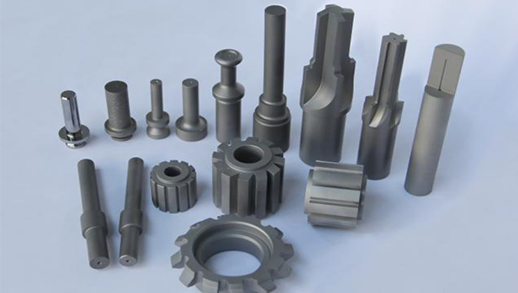
Tungsten carbide rods are widely used in modern manufacturing because of their exceptional hardness, wear resistance, and mechanical strength. As an important material for precision cutting tools and industrial components, they help manufacturers achieve stable machining performance, improved accuracy, and longer tool service life. From automotive production to aerospace machining, tungsten carbide rods play an essential role in demanding industrial applications.
What Is a Tungsten Carbide Rod?
A tungsten carbide rod is a cylindrical hard metal product manufactured through powder metallurgy and sintering. It mainly consists of tungsten carbide (WC) particles combined with a metallic binder, most commonly cobalt (Co). Tungsten carbide provides hardness and wear resistance, while cobalt improves toughness and structural integrity.
Compared with conventional tool steel, tungsten carbide offers higher hardness and compressive strength. This makes it suitable for producing tools that must withstand continuous cutting forces, friction, and abrasive contact.
Depending on different machining requirements, tungsten carbide rods are available in various diameters, lengths, grades, and designs, including solid carbide rods, coolant-hole rods, and customized carbide blanks.
Key Properties of Tungsten Carbide Rods
1. Exceptional Hardness and Wear Resistance
Tungsten carbide is known for its outstanding hardness. It resists abrasion, deformation, and surface wear during machining. Cutting tools made from carbide rods can maintain sharp cutting edges for longer periods, especially when processing hard metals and abrasive materials.
2. High Compressive Strength
Tungsten carbide performs well under high compressive loads. This property is important in drilling, milling, and other machining operations involving substantial mechanical pressure. It helps tools maintain structural integrity and dimensional accuracy during operation.
3. Thermal Stability
High-speed machining generates significant heat at the cutting edge. Tungsten carbide retains much of its hardness at elevated temperatures, making it suitable for continuous cutting and demanding working conditions. Proper cooling systems and cutting parameters can further improve machining stability.
4. Excellent Rigidity and Dimensional Stability
The high stiffness of tungsten carbide helps reduce tool deformation. This is particularly important in precision machining, where tool deflection can affect dimensional accuracy, surface finish, and production consistency.
5. Adjustable Hardness and Toughness
The performance of tungsten carbide rods depends on carbide grain size and binder content. Lower cobalt content generally provides greater hardness and wear resistance, while higher cobalt content improves toughness. Different grades can therefore be selected according to specific application requirements.
Main Types of Tungsten Carbide Rods
-
Solid Tungsten Carbide Rods: Commonly used to manufacture end mills, twist drills, reamers, and other rotary cutting tools. Their uniform structure and rigidity make them suitable for precision machining and high-speed cutting.
-
Coolant-Hole Carbide Rods: Feature internal channels that deliver cutting fluid to the machining area. They help control temperature and improve chip evacuation, particularly in deep-hole drilling.
-
Fine-Grain and Ultra-Fine-Grain Carbide Rods: Their refined microstructure provides excellent hardness and edge retention, making them suitable for small-diameter drills, end mills, and specialized precision tools.
Industrial Applications of Tungsten Carbide Rods
Cutting Tool Manufacturing
Cutting tool production is one of the main applications of tungsten carbide rods. They are processed into end mills, twist drills, milling cutters, reamers, and specialized machining tools. Their wear resistance supports accurate cutting, better surface quality, and longer tool life.
Automotive Manufacturing
Automotive production involves machining steel, cast iron, aluminum alloys, and other engineering materials. Carbide rod-based tools are widely used to process engine components, transmission parts, shafts, and precision mechanical components.
Aerospace Machining
Aerospace manufacturing often involves difficult-to-machine materials such as titanium alloys and heat-resistant superalloys. Properly selected carbide tools provide the hardness, rigidity, and dimensional stability required for controlled machining.
Mold and Die Production
Tungsten carbide tools are used in mold manufacturing, precision cavity machining, and finishing operations. Their wear resistance helps maintain cutting geometry when machining hardened materials and components with tight dimensional tolerances.
Woodworking and Composite Processing
Carbide rods are also used to manufacture cutting tools for engineered wood, laminated boards, and composite materials. Their abrasion resistance makes them suitable for continuous material removal and abrasive workpiece surfaces.
Benefits of Using Tungsten Carbide Rods
The main advantage of tungsten carbide rods is their combination of hardness, wear resistance, and mechanical strength. These properties contribute to longer cutting tool life and more consistent machining results.
For industrial manufacturers, improved wear resistance can reduce tool replacement frequency and production interruptions. Stable cutting edges also help maintain machining accuracy and surface quality, especially in high-volume production.
Another important benefit is material flexibility. By adjusting carbide grain size, binder content, and material composition, manufacturers can produce different grades for specific machining conditions and workpiece materials.
Although tungsten carbide rods generally have a higher initial material cost than conventional steel, their durability and machining performance can offer better overall production value over time.
How to Select the Right Tungsten Carbide Rod
Choosing the right carbide rod requires careful consideration of the application, machining conditions, and tool design.
-
Material Grade: Select a grade according to the required balance of hardness, toughness, and wear resistance. Harder grades are suitable for wear-intensive applications, while tougher grades are preferable for impact loads or interrupted cutting.
-
Grain Size: Fine and ultra-fine grain structures are commonly used for precision cutting tools. Other grain structures may be more appropriate where greater fracture resistance is required.
-
Rod Dimensions: Diameter, length, straightness, and dimensional tolerance should match the tool manufacturing requirements.
-
Coolant Design: Coolant-hole rods are worth considering for deep-hole drilling and applications requiring internal cooling.
-
Manufacturing Quality: Consistent density, material composition, surface quality, and dimensional accuracy are important indicators of product quality. Buyers should evaluate suppliers' manufacturing capabilities and quality control procedures.
Shanghai Diatooling: A Professional Tungsten Carbide Products Supplier
Shanghai Diatooling Co., Ltd. is a professional carbide products manufacturer and supplier specializing in tungsten carbide materials and cutting tool solutions. With experience in carbide manufacturing, technical expertise, and research and development capabilities, the company provides products for different industrial machining and tool production requirements.
Its product range includes solid tungsten carbide rods, coolant-hole carbide rods, carbide strips, carbide plates, and carbide preforms. These products serve manufacturers involved in precision cutting tool production and various industrial applications.
Shanghai Diatooling focuses on product quality, manufacturing consistency, and customer service. Its experience with tungsten carbide materials helps customers select suitable carbide grades and product specifications according to their tool designs and machining requirements.
For manufacturers sourcing tungsten carbide rods, choosing a supplier with professional material knowledge and reliable production capabilities is essential. Consistent material quality helps ensure stable downstream processing and dependable cutting tool performance.
Conclusion
Tungsten carbide rods are indispensable materials in modern precision machining and industrial tool manufacturing. Their exceptional hardness, wear resistance, compressive strength, and customizable grades make them suitable for applications ranging from metal cutting and automotive production to aerospace machining and woodworking.
Selecting the right carbide grade, grain size, and rod specification is essential for achieving reliable performance and maximizing tool service life. With its range of tungsten carbide products and manufacturing experience, Shanghai Diatooling provides material solutions for manufacturers seeking dependable carbide rod quality.
https://www.diatooling.com/
Shanghai Diatooling