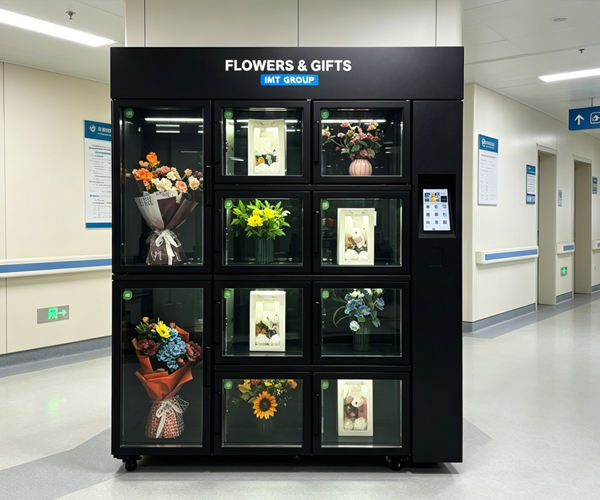
Flower Vending Machines: Revolutionizing High-Traffic Sales
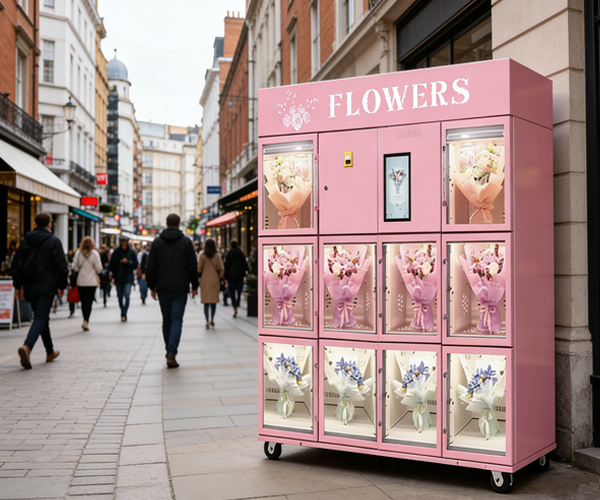
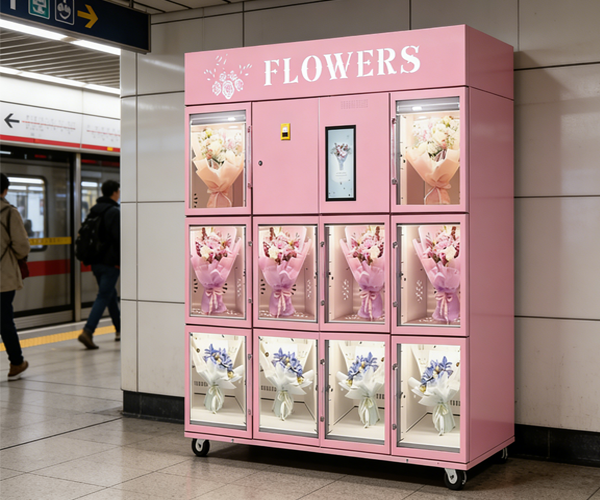
High-traffic locations such as airports, subway stations, and shopping malls represent untapped revenue opportunities for automated retail. Traditional florists face significant challenges in these venues—limited operating hours, high overhead costs, and the perishability of fresh flowers create barriers to capturing impulse purchases from thousands of daily passersby. Flower vending machines have emerged as a transformative solution, combining preservation technology with 24/7 availability to convert foot traffic into consistent sales.
Understanding the High-Traffic Opportunity
High-traffic venues generate millions of visitor interactions annually, yet traditional retail models struggle to capitalize on this volume. Airports handle travelers seeking last-minute gifts, subway stations serve commuters looking for convenient purchases, and hospitals accommodate visitors wanting to bring fresh arrangements. The challenge lies in delivering fresh, high-quality products without the geographic and temporal limitations of conventional storefronts.
Automated retail solutions eliminate these constraints by operating continuously without staffing requirements. This operational efficiency is particularly valuable for perishable goods like flowers, where product freshness directly impacts purchase decisions. The key to success in these environments is not merely placing machines in busy areas, but engineering systems that maintain product quality while facilitating frictionless transactions.
Preservation Technology as a Sales Driver
The most critical factor in flower vending machine performance is preservation capability. Unlike shelf-stable products, fresh flowers require specific temperature and humidity conditions to maintain their visual appeal and longevity. Advanced air-cooled preservation systems utilize targeted airflow circulation to extend floral storage lifespan while maintaining hydrating freshness. This technology addresses the core pain point of traditional flower retail—product degradation that leads to waste and lost revenue.
Temperature control alone is insufficient in high-traffic environments where ambient conditions fluctuate. Polyurethane insulation through one-piece foam molding creates refrigerated compartments that lock in optimal temperatures with energy efficiency. This construction method prevents thermal bridges that could compromise storage conditions, ensuring flowers remain in saleable condition for extended periods.
Visual presentation is equally important in automated retail. Customers cannot inspect products physically, making visibility through display glass essential. Glass electric defogger systems integrate heating elements with explosion-proof and smash-proof glass to prevent condensation buildup. In humid environments or locations with temperature differentials, this feature maintains product visibility—a direct contributor to purchase conversion rates.
Security Architecture for Revenue Protection
High-traffic locations present security challenges that standard vending machines cannot address. Open-access designs invite tampering and theft, particularly for high-value items like floral arrangements. Independent storage architecture featuring cabinet-style lanes with individual compartments and doors provides enhanced security that protects both inventory and revenue.
This compartmentalized design ensures that each transaction opens only a single storage unit, minimizing exposure of unsold inventory. In venues like subway stations and airports where foot traffic is constant but supervision is limited, this security feature prevents revenue loss while maintaining customer access. The robust construction also withstands the physical demands of busy public spaces, reducing maintenance costs and downtime.
User Experience Optimization for Quick Transactions
Transaction speed is critical in high-traffic environments where customers are often in transit. Interactive touchscreens simplify the purchasing journey by providing visual product displays, clear pricing, and intuitive payment interfaces. Large format displays such as 15.6-inch screens facilitate quick navigation, reducing the time from product selection to transaction completion.
Multi-currency acceptance and diverse payment options including credit cards, mobile payment platforms, and digital wallets remove friction from the purchasing process. This flexibility is particularly valuable in international transit hubs where customers may not carry local currency. The ability to complete transactions in under 60 seconds converts impulse interest into completed sales before customers move on.
Data-Driven Inventory Management
Sales performance in high-traffic locations depends on maintaining optimal inventory levels. Cloud-based management systems enable real-time monitoring of sales, stock levels, and profit data across multiple machines. This visibility allows operators to identify high-performing products, adjust inventory composition, and schedule restocking to minimize out-of-stock situations.
Remote control operations eliminate the need for on-site presence to monitor performance. Operators can track revenue generation, identify maintenance needs, and analyze purchasing patterns from centralized dashboards. Multi-level account management supports decentralized operations, allowing agents or venue managers to oversee machines within their jurisdictions while maintaining corporate oversight.
Strategic Placement and Product Adaptation
Maximizing sales requires aligning product offerings with venue-specific customer needs. Airport locations benefit from gift-oriented arrangements that travelers purchase for arrival destinations. Subway stations perform well with smaller, affordable bouquets that commuters buy spontaneously. Hospital placements focus on sympathy and recovery arrangements that visitors purchase for patients.
Product capacity must match venue traffic patterns. Eight-slot configurations work well in moderate-traffic locations, while higher-capacity units serve venues with greater customer volume. The ability to customize product selection based on purchasing data allows operators to refine offerings continuously, improving sell-through rates and reducing waste.
Operational Efficiency and Scalability
The financial viability of flower vending machines in high-traffic locations depends on operational efficiency. Energy-efficient refrigeration systems minimize utility costs, while durable construction reduces maintenance frequency. One-year comprehensive warranties and lifetime technical assistance provide operational security, ensuring machines remain revenue-generating assets.
Production cycles of approximately 7–30 days enable rapid deployment, allowing operators to capitalize on venue opportunities quickly. ODM and OEM service models support both single-unit installations and scaled deployments across multiple locations. This flexibility accommodates various business models, from independent entrepreneurs testing single venues to enterprise operators managing networks across transportation hubs.
IMT Vending exemplifies this comprehensive approach to automated floral retail, providing specialized vending solutions that integrate preservation technology, security architecture, and user experience optimization. Their systems demonstrate how purpose-built engineering transforms high-traffic locations into consistent revenue channels for fresh flower sales.
Measuring Success Beyond Transaction Volume
While transaction count is an important metric, profitability in high-traffic flower vending depends on multiple factors. Average transaction value increases when customers perceive freshness and quality, justifying premium pricing. Product waste decreases when preservation systems maintain saleable condition throughout inventory cycles. Customer repeat rates improve when purchasing experiences are consistently positive.
Long-term success requires continuous optimization based on performance data. Analyzing purchasing patterns reveals peak demand periods, informing restocking schedules. Monitoring product performance identifies which arrangements resonate with specific venue demographics. Tracking machine uptime ensures that revenue opportunities are not lost to technical failures.
Conclusion
Flower vending machines increase sales in high-traffic locations by solving the fundamental challenges of fresh product retail in automated environments. Advanced preservation systems maintain product quality, security architectures protect revenue, intuitive interfaces facilitate quick transactions, and data-driven management optimizes performance. When these elements combine with strategic placement in venues where customer demand exists but traditional retail cannot efficiently serve it, automated floral retail transforms foot traffic into profitable sales channels that operate continuously without the overhead constraints of conventional storefronts.
https://www.imtvending.com/
Guangzhou IMT Technology Co., Ltd.